English
 中文简体
中文简体 Español
 svenska



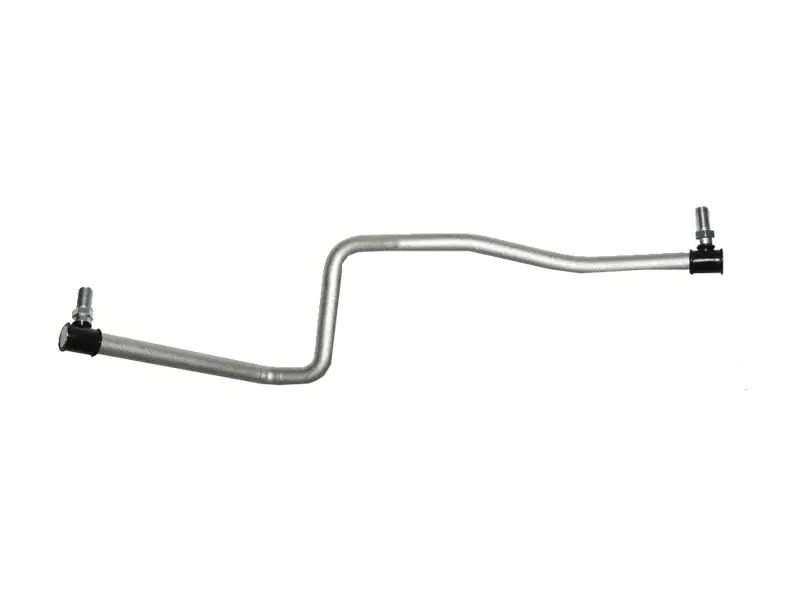
A failing steering drag link is not something that announces itself with a single, unmistakable sign. Instead, it communicates through a cluster of subtle and then progressively obvious symptoms that demand attention. Recognizing the bad drag link symptoms early can prevent a complete steering failure. The most telling signs of a worn drag link include a loose steering wheel, wandering on the highway, uneven tire wear, and a distinct clunking sound when turning. If you notice any of these, a thorough inspection of the steering linkage is the only safe next step.
Content
Bad Drag Link Symptoms and Failure Signs
When a drag link begins to wear out, the steering wheel feel changes. A healthy steering system has almost no play — the wheels respond within 2 to 4 degrees of steering wheel rotation. A worn drag link can introduce 10 degrees or more of free play, forcing the driver to constantly correct the vehicle’s path. This leads to the classic symptom of “chasing” the truck or SUV down the road.
Other clear steering drag link failure symptoms include:
- Audible popping or clunking: A metallic knock during low‑speed turning or when the suspension cycles over bumps is the most common indicator. This noise comes from a ball‑stud that has developed excessive clearance inside its socket.
- Steering wander: The vehicle drifts left or right without driver input. Because the drag link cannot hold a precise position, the toe angle changes dynamically, causing the vehicle to “hunt” on flat roads.
- Vibration through the steering wheel: Loose joints in the drag link allow road vibrations to transmit directly into the steering column, often felt as a shimmy between 70 and 90 km/h.
- Uneven front tire wear: Feathering or cupping on the inner or outer edges of the front tires is a secondary symptom. Because the drag link cannot hold the correct toe setting, the tires scrub the road continuously.
- Steering wheel off‑center: If the drag link adjustment sleeve has slipped or the rod has bent, the steering wheel will be noticeably crooked when driving straight ahead.
These symptoms overlap with other loose steering linkage causes, such as worn tie rod ends or a failing idler arm. A precise diagnosis is essential: secure the vehicle, have an assistant rock the steering wheel back and forth, and place a hand directly on each drag link joint. Even 0.5 mm of play in a dry drag link joint is a reason for replacement. Ignoring these signs can lead to catastrophic separation of the drag link, which immediately disables steering control.
What Causes Steering Wheel Play? The Drag Link’s Role
The steering wheel play causes are rarely isolated to one component, but the drag link is a primary suspect. In a recirculating‑ball steering system, several wear points accumulate slack: the gearbox sector shaft, the pitman arm spline, the drag link joints, the tie rod ends, and the steering knuckle bearings. The drag link sits right at the midpoint of this chain and experiences both tensile and compressive impact loading. Over time, the ball‑stud and socket surfaces wear elliptically, creating a clearance that translates directly into steering wheel looseness.
Other vehicle steering problems and solutions connected to drag link wear include:
- Worn gearbox output bearing: This can mimic drag link play. Always check the pitman arm for lateral movement before condemning the drag link.
- Bent drag link: A bent rod alters the effective length and can cause unequal steering angles left to right. This often results from hitting a curb or a rock off‑road.
- Loose adjustment sleeve clamp: The drag link has a threaded adjuster for centering the steering. If the clamp bolts loosen, the sleeve can rotate and change the drag link length while driving.
A systematic diagnostic approach is the solution. Measure the steering wheel free play with the engine off: anything over 15 degrees is excessive. Then inspect each joint individually. If the drag link joint shows movement before the pitman arm or steering arm moves, that joint is worn. Replacing a single worn drag link often restores steering precision to near‑new levels.
Drag Link Replacement Cost
The drag link replacement cost varies with vehicle type, but it is generally a moderately priced repair that yields an immediate improvement in steering feel. For a light truck or SUV, the part itself ranges from $80 to $250. For a medium‑ or heavy‑duty commercial truck, a heavy‑duty drag link assembly can cost between $150 and $600. Labor adds a further $100 to $300 depending on the shop rate and whether a front‑end alignment is included.
A breakdown of typical costs is shown below:
| Vehicle Category | Part Cost Range | Labor Time (approx.) | Total Cost Range (incl. alignment) |
|---|---|---|---|
| Light Truck / SUV (½‑ton) | $80 – $250 | 1.0 – 1.5 hours | $200 – $500 |
| Medium‑Duty Truck (Class 4‑6) | $150 – $400 | 1.5 – 2.5 hours | $350 – $750 |
| Heavy‑Duty Truck (Class 7‑8) | $250 – $600 | 2.0 – 3.0 hours | $500 – $1,000 |
Crucially, the cost of not replacing a worn drag link is far higher. A drag link separation at highway speed leads to a total loss of steering control, and the resulting accident can cause damage well in excess of the repair price. Additionally, driving with a loose drag link accelerates tire wear: a set of front tires for a heavy truck can cost over $1,200, and abnormal toe wear can destroy them in 15,000 to 25,000 kilometers. Replacing the drag link promptly is an investment in both safety and long‑term tire economy.
How to Replace a Steering Drag Link
Learning how to replace a steering drag link is within reach for a home mechanic with the right tools and a methodical approach. The job does not require opening the hydraulic system, but it does demand precision during reassembly to keep the steering wheel centered. Follow these steps:
- Secure and lift the vehicle: Park on level ground, chock the rear wheels, and lift the front axle until the tires are off the ground. Support the vehicle with jack stands rated for the axle load.
- Mark the steering wheel position: With the wheels pointing straight ahead, use tape or a paint mark to note the exact steering wheel angle. This reference is essential for correct reassembly.
- Remove the old drag link: Use a ball‑joint separator tool (pickle fork or puller) to detach the drag link from the pitman arm and the steering arm. Do not hammer on the stud threads — use the separator properly. Remove the drag link assembly, noting the length from center to center of the joints.
- Set the new drag link to match: Measure the old drag link and adjust the new one to the same length. If the old part was bent or worn, set the new drag link to the factory‑specified length found in the service manual. Ensure the clamp bolts are loose enough for fine adjustment later.
- Install the new drag link: Insert the ball studs into the pitman arm and steering arm tapers. Torque the nuts to the manufacturer’s specification — typically 80–120 Nm for light trucks and up to 300 Nm for heavy‑duty applications. Always use new cotter pins or locking nuts.
- Center the steering and set final length: With the wheels still straight ahead, verify the steering wheel is centered. If it is off, rotate the drag link adjustment sleeve until the wheel centers without moving the front wheels. Tighten the sleeve clamp bolts to the specified torque — often 55–75 Nm.
- Check toe and perform a test drive: Have a professional alignment shop set the front toe to factory spec. A correct toe setting ensures the drag link operates in its neutral position and prevents premature tire wear.
The entire procedure for a typical pickup truck can be completed in about 1.5 hours by a skilled DIYer, not including the alignment visit. The most critical step is centering the steering gearbox; if the box is off‑center, the hydraulic assist will be biased, causing the vehicle to pull and reducing the service life of the new drag link.
Drag Link vs Tie Rod: What Is the Difference?
Confusing a drag link vs tie rod is understandable — they are both solid steel rods with ball‑and‑socket ends. However, they perform entirely different functions in a steering linkage. The drag link connects the steering gearbox to one steering knuckle, transmitting the driver’s input as a push‑or‑pull force. The tie rod connects the left and right steering knuckles together, synchronizing their rotation so both wheels steer at the correct angle.
Key differences include:
- Connection points: A drag link runs from the pitman arm to the steering arm (usually on one knuckle). A tie rod runs between the two steering knuckle arms.
- Load path: The drag link carries the full steering force and is subject to shock loads from the road. The tie rod carries a balancing force to keep the wheels aligned with each other.
- Adjustment function: The drag link adjustment sleeve is used to center the steering wheel. The tie rod adjustment sleeve (or turnbuckle) sets the front wheel toe angle.
- Failure consequence: If a drag link fails completely, steering control to one wheel is lost. If a tie rod fails, the two front wheels can point in different directions, causing immediate loss of directional stability.
On many solid‑axle vehicles, both rods are located in front of or behind the axle and may appear similar. A quick rule of thumb: if the rod runs from the steering box area to the wheel area, it’s the drag link. If it runs across the vehicle from one wheel to the other, it’s the tie rod.
Drag Link vs Track Rod: Clarifying the Terminology
The comparison drag link vs track rod introduces a terminology overlap. In many parts of the world, “track rod” is used interchangeably with “tie rod” to describe the lateral link that adjusts toe. In this sense, the drag link vs track rod difference mirrors the drag link vs tie rod difference exactly. However, the term “track rod” is also sometimes used in the context of a Panhard rod — a lateral bar that locates the axle side‑to‑side under the chassis, with no steering function at all.
To avoid confusion, focus on the component’s role in the steering linkage system. The drag link is the steering force carrier; the track rod (tie rod) is the toe adjustment bar. The drag link deals with longitudinal movement and steering input, while the track rod manages the transverse relationship between the wheels. In a typical solid front axle with a steering box, both parts work together — the drag link turns one knuckle, and the track rod forces the other knuckle to follow. Both must be in good condition for precise steering, but they are not interchangeable and serve distinctly different mechanical purposes.