English
 中文简体
中文简体 Español
 svenska



For drivers and fleet managers who operate commercial trucks or off-road vehicles, steering stability is not merely a matter of comfort—it is a critical component of safety, operational efficiency, and vehicle longevity. At the heart of a robust steering system lies a component often overlooked: the drag link. This pivotal connection translates the rotational motion of the steering gear into the lateral movement that turns the wheels. In demanding environments, a standard drag link can become a liability. This article delves into the engineering and functional superiority of heavy duty drag links, explaining how their enhanced design directly translates to unparalleled steering stability, durability, and control for vehicles that face the toughest challenges on and off the road.
Content
- 1 The Critical Role of the Drag Link in Vehicle Steering Geometry
- 2 Engineering Superiority: What Makes a Drag Link "Heavy Duty"?
- 3
- 4 Direct Impacts on Steering Stability in Demanding Applications
- 5 Selection, Installation, and Maintenance Considerations
- 6 The Integral Role in a Holistic Steering System Upgrade
The Critical Role of the Drag Link in Vehicle Steering Geometry
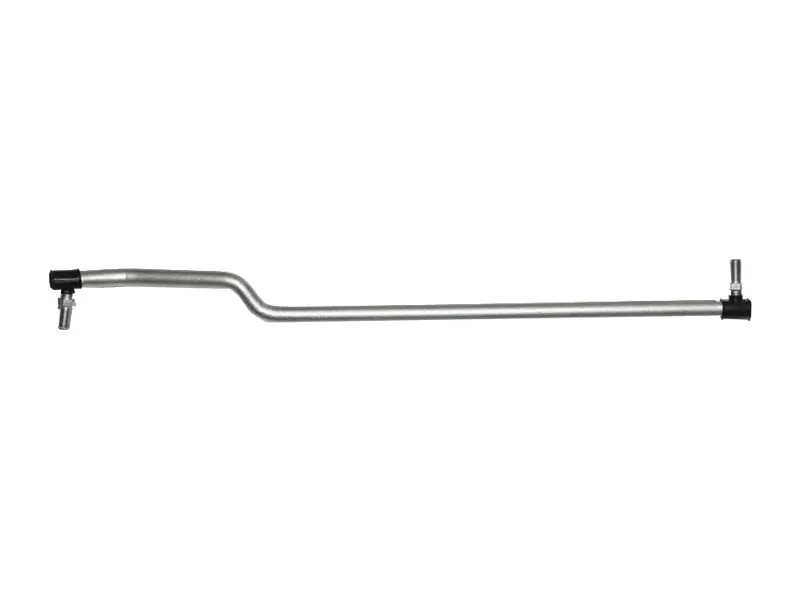
The steering system of any vehicle is a complex symphony of interconnected parts, each playing a specific role in ensuring precise and predictable directional control. The drag link serves as a fundamental link in this chain, particularly in vehicles with a solid front axle or a robust independent suspension design commonly found in heavy-duty applications. Its primary function is to act as a push-pull rod, connecting the pitman arm (which moves with the steering gear) to the steering arm or knuckle. When the driver turns the steering wheel, the motion is transferred through the steering box to the pitman arm, which then pushes or pulls the drag link. This linear force is ultimately transmitted to the wheel assembly, initiating the turn.
Understanding Steering Stability and Its Dependencies
Steering stability refers to the vehicle's ability to maintain a straight and intended path with minimal driver correction, resist wandering or deviations caused by road imperfections, and provide consistent, accurate feedback. This stability is a direct result of maintaining precise steering geometry. Key angles like toe, caster, and camber must remain within strict tolerances for optimal performance. The drag link is a custodian of this geometry. Any deflection, bend, or wear in the drag link itself—or in its connection points—introduces slack and misalignment. This slack manifests as play in the steering wheel, a vague or "loose" feeling, increased tire wear, and potentially dangerous handling characteristics, especially under load or at higher speeds. Therefore, the integrity of the drag link is non-negotiable for stable steering.
Why Standard Components Fail Under Pressure
Commercial vehicles, such as delivery trucks, dump trucks, and tractor-trailers, are subjected to constant heavy loads, prolonged operation, and repetitive stress from paved roads. Off-road vehicles, including agricultural equipment, construction machinery, and 4x4 adventure vehicles, face a different but equally punishing set of challenges: jarring impacts from rocks and ruts, extreme articulation, and exposure to corrosive elements like mud and water. Standard, OEM-grade drag links are often designed to meet minimum cost and weight targets for average operating conditions. Under severe stress, their limitations become apparent:
- Material Fatigue: Standard links may use lower-grade steel or have thinner wall tubing, leading to bending or warping under high stress.
- Joint Wear: The tie rod ends or ball joints at each end of the drag link are common failure points. Standard joints may have less robust sealing, inferior bearings, or lower-quality grease, leading to rapid wear and the development of dangerous play.
- Structural Deflection: Under extreme steering forces (e.g., turning large tires on a rocky surface), a weaker link can actually twist or flex minutely, absorbing steering input rather than transmitting it directly to the wheels, resulting in imprecise and delayed response.
The quest for solutions to these failure modes directly leads to inquiries such as “signs of a worn drag link on a lifted truck” and the search for “replacement heavy duty steering linkages for Jeep Wrangler JK”, as enthusiasts and professionals alike seek upgrades that can withstand their specific use cases.
Engineering Superiority: What Makes a Drag Link "Heavy Duty"?
The term "heavy duty" is more than a marketing slogan; it describes a suite of deliberate design and material choices that collectively elevate the component's performance and lifespan far beyond standard parts. A genuine heavy duty drag link is engineered from the ground up to resist the forces that cause standard links to fail.
Advanced Materials and Construction Techniques
The foundation of any heavy duty component is its material composition. Heavy duty drag links often employ high-strength, heat-treated alloy steels, such as 4140 chromoly. This material offers an exceptional strength-to-weight ratio, providing tremendous resistance to bending and permanent deformation. The tubing used is typically of a larger diameter and has a thicker wall than its OEM counterpart, drastically increasing its torsional rigidity. This means it does not flex under load, ensuring that every degree of steering input is accurately translated to wheel movement. Furthermore, construction techniques like precision forging or CNC machining are used for end fittings, guaranteeing perfect dimensional accuracy and structural integrity, which is essential for maintaining proper steering geometry.
High-Performance Joints and Sealing
While the link itself must be strong, the joints at its ends are arguably even more critical. Heavy duty drag links feature upgraded tie rod ends or ball joints. These are designed with larger, harder bearing surfaces, often made from case-hardened steel or incorporate brass/bronze bushings for smoother articulation and longer life. They are packed with high-temperature, high-pressure grease that retains its lubricating properties in extreme conditions. Most importantly, they are equipped with multi-layered, labyrinth-style seals or rubber boots reinforced with clamping rings. These robust seals are the primary defense against contaminants like dirt, grit, and water, which are the leading causes of joint wear and failure. This focus on joint durability directly addresses the need for “heavy duty drag link with greaseable fittings for easier maintenance”, allowing for periodic re-lubrication to purge contaminants and extend service life indefinitely.
Design Features for Enhanced Durability and Alignment
Beyond raw strength, smart design features distinguish heavy duty options. Many include adjustable sleeves or ends with fine-thread pitch, allowing for extremely precise adjustment of the drag link's length. This is crucial for setting and maintaining perfect toe alignment, especially after a suspension lift. Some designs incorporate a double-shear mounting system for the joints, which secures the joint pin from two sides instead of one, massively increasing its resistance to deflection and pop-out under impact. The table below contrasts the key attributes of a standard OEM-style drag link versus a purpose-built heavy duty version.
| Feature | Standard/OEM Drag Link | Heavy Duty Drag Link |
|---|---|---|
| Primary Material | Mild Steel, lower-grade alloy | Heat-Treated Alloy Steel (e.g., 4140 Chromoly) |
| Tubing Diameter/Wall Thickness | Smaller diameter, thinner walls | Larger diameter, significantly thicker walls |
| Joint Construction | Standard ball joints, basic rubber boots | Oversized, case-hardened joints; multi-layered seals |
| Grease Fittings | Sometimes omitted or single fitting | High-quality zerks on both ends, designed for frequent service |
| Adjustability | May have limited or coarse adjustment | Precise, fine-thread adjustment sleeves |
| Torsional Rigidity | Prone to flex under high load | Extremely high, minimal to no flex |
| Expected Service Environment | Normal on-road conditions | Severe-duty, high-load, off-road, and commercial use |
Direct Impacts on Steering Stability in Demanding Applications
The engineering benefits of a heavy duty drag link translate into immediate and tangible improvements in how a vehicle steers and handles, particularly under the stresses unique to commercial and off-road operation.
Eliminating Play and Improving On-Center Feel for Commercial Vehicles
For a long-haul truck driver, "on-center feel" is paramount. This is the steering wheel's resistance to movement when the vehicle is traveling straight, providing stability and reducing driver fatigue. A worn or flexible drag link introduces lash or dead zone in the steering. The driver must constantly make small corrections to compensate, leading to a wandering feeling, especially noticeable when carrying heavy loads that amplify any steering imprecision. A heavy duty drag link, with its rigid construction and tight-tolerance joints, virtually eliminates this play. The steering becomes direct and communicative. The vehicle tracks straight with confidence, requiring fewer corrections. This not only enhances safety by reducing the risk of lane drift but also improves fuel economy by promoting smoother driving and reducing unnecessary tire scrub. The durability of the component also speaks directly to the commercial operator's need for “long lasting steering components for high mileage trucks”, reducing downtime and maintenance costs over hundreds of thousands of miles.
Resisting Deflection and Impact Forces Off-Road
Off-road stability is a different kind of challenge. It's about control during slow-speed crawling over obstacles and maintaining composure at higher speeds on rough trails. When a tire strikes a rock or drops into a deep rut, an immense shock load is transmitted back through the steering system. A standard drag link can bend from a single severe impact. More subtly, it can flex elastically, causing a momentary loss of steering precision exactly when the driver needs it most. The extreme torsional rigidity of a heavy duty link prevents this. It acts as a solid, unwavering link, ensuring the driver's intended steering angle is instantly and accurately executed at the wheels, regardless of terrain. This builds driver confidence and allows for more precise vehicle placement. This capability is especially critical for vehicles that have been modified, which is why understanding the “difference between drag link and tie rod in steering upgrade kits” is essential. While the tie rod connects the two wheels to each other, the drag link connects the steering gear to the wheel assembly. Upgrading both as a system is often recommended for a complete and balanced steering reinforcement.
Maintaining Alignment Under Stress and After Modifications
Vehicle modifications, particularly suspension lifts and the installation of larger, heavier tires, place entirely new stresses on the steering system. A lift kit changes the vehicle's geometry, often requiring a longer or differently angled drag link to restore proper steering arm connection. The increased leverage from larger tires and the added unsprung weight dramatically increase the forces acting on all steering components. An OEM drag link is simply not designed for this new operating reality. It will wear out rapidly, fail prematurely, or allow alignment to shift constantly. A properly sized and engineered heavy duty drag link is designed to accommodate these modified states. Its strength holds the critical alignment settings—especially toe—constant despite the increased forces. This preserves tire life, ensures predictable handling, and protects the entire steering system from cascading damage. For owners of specific models, this need is perfectly captured by the search for a “heavy duty drag link for Ford F-350 with lift kit”, as they seek a component engineered for their truck's new, more capable posture.
Selection, Installation, and Maintenance Considerations
Choosing and installing a heavy duty drag link is an investment in vehicle safety and performance. A systematic approach ensures optimal results.
Choosing the Right Heavy Duty Drag Link for Your Vehicle
Selecting a component is not a one-size-fits-all process. Key factors must be considered:
- Vehicle Specification and Modifications: The primary determinant is your exact vehicle make, model, year, and drivetrain. Crucially, you must account for any modifications. A drag link for a stock-height vehicle is different from one designed for a 4-inch or 6-inch suspension lift. Wheel size and tire weight can also influence the required strength rating.
- Material and Joint Quality: Look for clear specifications on material (e.g., "heat-treated 4140 steel") and joint design. Greaseable fittings with high-quality seals are a must for long-term serviceability.
- Design and Adjustability: Consider the design—does it offer a double-shear mount? Is the adjustment mechanism robust and precise? Reviews and technical documentation from the manufacturer can provide insight here.
- Intended Use: Match the component to your primary use case. A part optimized for extreme rock crawling might have different design priorities than one built for a high-mileage commercial fleet, though both will be "heavy duty."
Professional Installation and Critical Post-Installation Steps
Due to its critical safety role, professional installation is highly recommended. A qualified technician will ensure:
- Proper torque is applied to all fasteners, often using thread-locking compound.
- The drag link is adjusted to the correct length to set the vehicle's toe alignment precisely.
- The entire steering system is inspected for worn components that should be replaced concurrently.
After installation, two steps are non-negotiable. First, a full front-end alignment must be performed by a shop experienced with lifted or heavy-duty vehicles. This ensures toe, caster, and camber are set to specifications, guaranteeing stable handling and even tire wear. Second, a thorough post-installation inspection is crucial. The vehicle should be driven at low speed in a safe area to test basic function, and then all nuts and bolts should be re-checked for tightness after the first 50-100 miles, as components settle in.
Ensuring Longevity Through Proactive Maintenance
The durability of a heavy duty drag link can be maximized with simple, routine maintenance. This centers on the greaseable fittings. Regularly purging the joints with fresh, high-quality grease (following the manufacturer's recommended interval, but more frequently in severe conditions) is the single most effective practice. This forces out old, contaminated grease and moisture, keeping the joint internals lubricated and protected. Additionally, a visual inspection should be part of every routine vehicle check. Look for:
- Damaged, torn, or leaking seals on the joints.
- Any visible bends or cracks in the link itself.
- Signs of loose fasteners or clamps.
- Excessive play in the steering, which could indicate joint wear.
By integrating these checks into a regular maintenance schedule, the heavy duty drag link will provide years of reliable, stable service, solidifying its role as a cornerstone of a trustworthy steering system.
The Integral Role in a Holistic Steering System Upgrade
While a heavy duty drag link is a monumental upgrade on its own, it is most effective when viewed as part of an integrated steering system. For vehicles subjected to extreme stress, reinforcing one link while leaving others stock can simply transfer failure to the next weakest point. A comprehensive approach considers the entire steering linkage, including the tie rod (which connects the two front wheels), the track bar (which centers the axle), and their respective ends. Upgrading these components as a matched system ensures balanced strength, uniform responsiveness, and maximum durability. Furthermore, the benefits of a rigid drag link can be fully realized only if the steering gear box itself is in good condition and properly secured, and if the suspension components (like bushings and ball joints) are also tight and serviceable. In essence, the heavy duty drag link is the critical, strengthening strand in a web of components that together deliver the precise, confident, and stable steering demanded by the world's most challenging roads and trails.