English
 中文简体
中文简体 Español
 svenska



Content
- 1 Lawn Mower Pulleys and Idlers: What They Do and Why They Matter
- 2 What Does the Idler Pulley Do on a Lawn Mower?
- 3 Pulley Lawn Mower Failures: Symptoms and Diagnosis
- 4 Pulley Swapped Lawn Mower: What Can Go Wrong and How to Get It Right
- 5 OEM vs. Aftermarket Pulleys: What the Price Difference Actually Reflects
Lawn Mower Pulleys and Idlers: What They Do and Why They Matter
The cutting deck of a riding mower or zero-turn mower is driven entirely by a system of pulleys and belts. Understanding how these components work together — and what happens when one fails — saves time, prevents costly secondary damage, and makes diagnosing deck problems straightforward rather than guesswork.
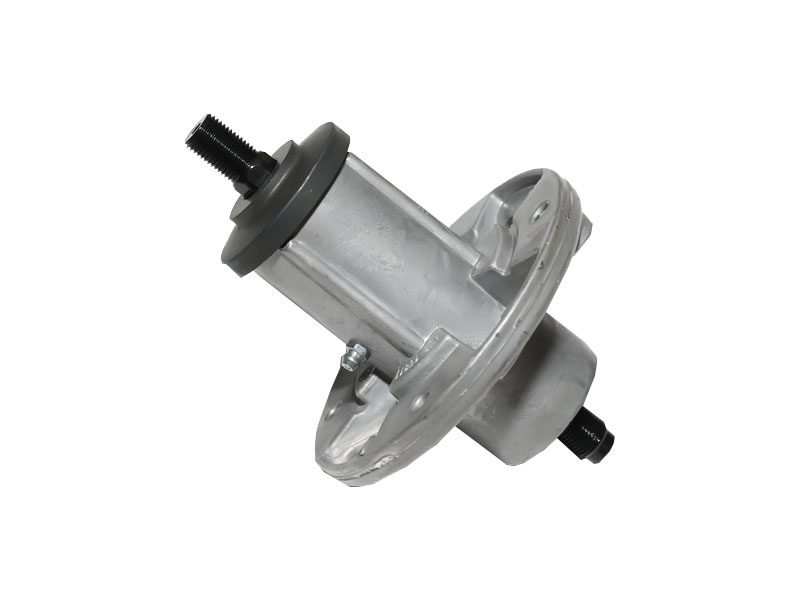
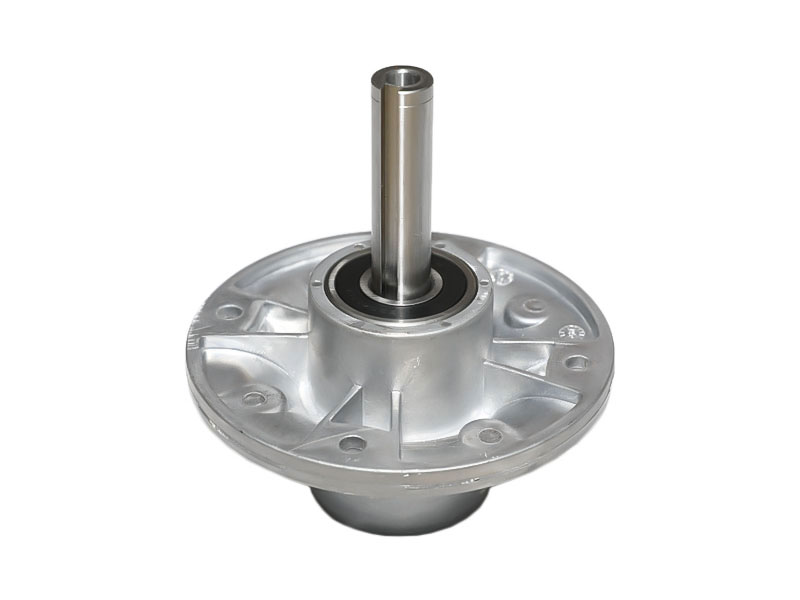
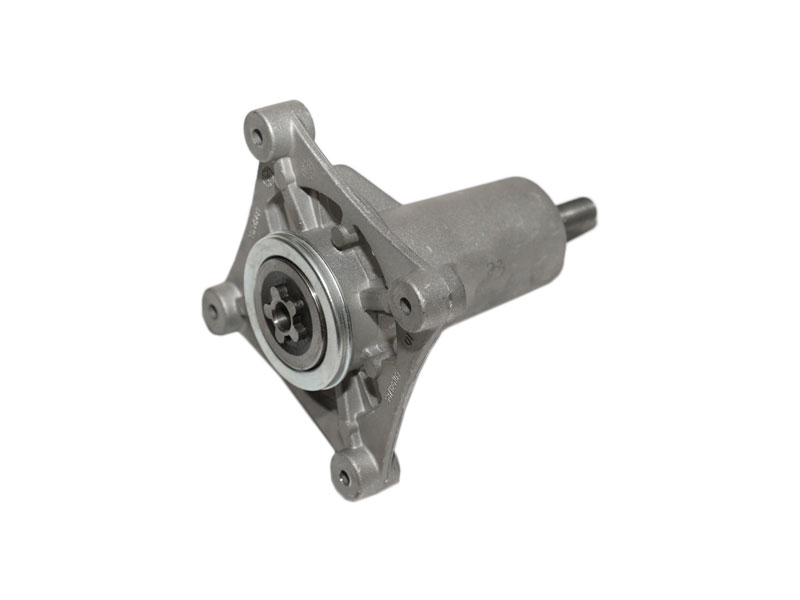
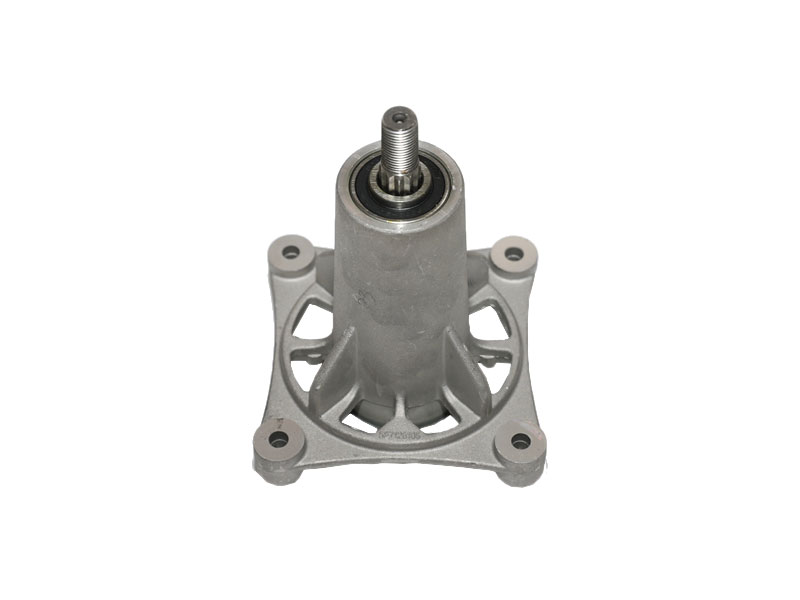
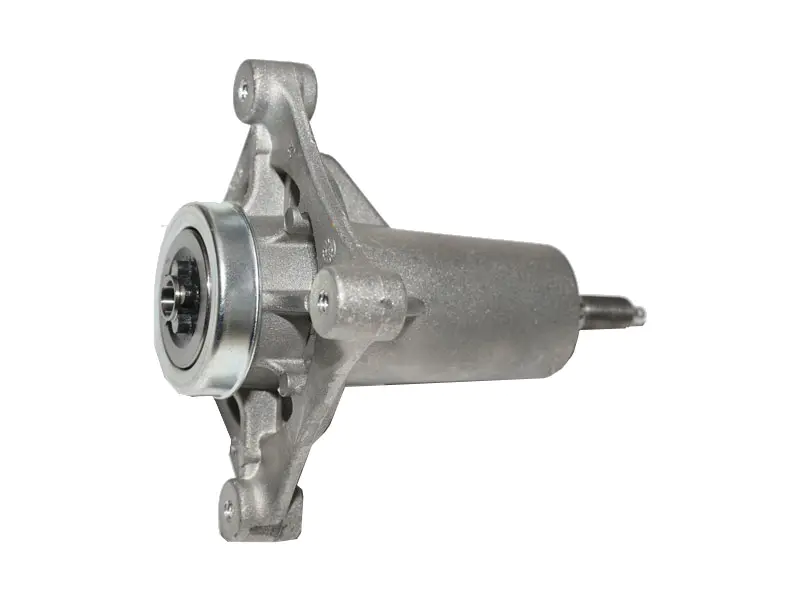
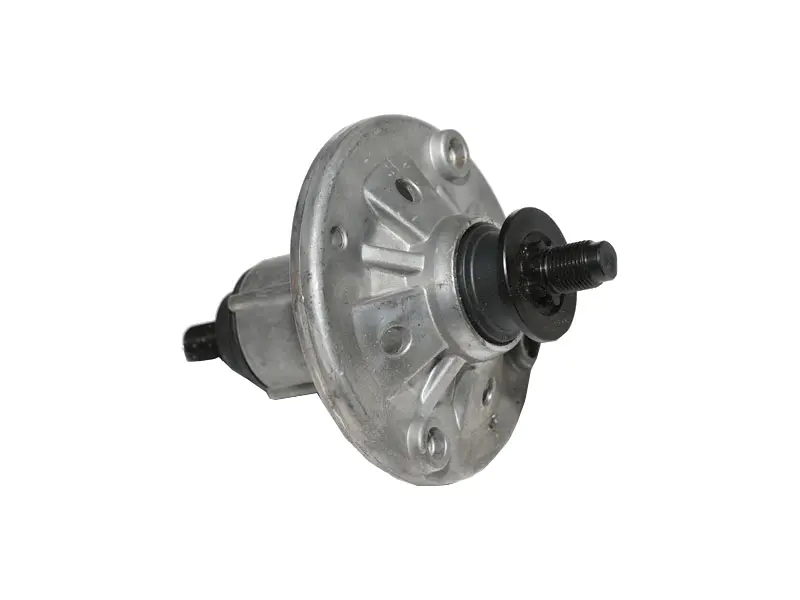
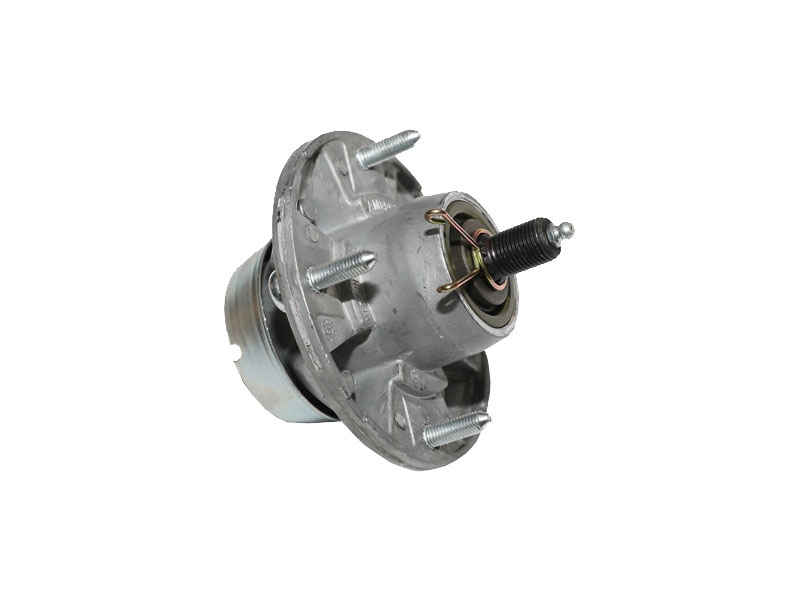
A typical residential riding mower deck uses between three and six pulleys depending on the number of blades and the deck geometry. These divide into two functional categories: spindle pulleys, which are fixed and transfer rotational power directly to the blade spindles, and idler pulleys, which manage belt routing, tension, and engagement. Neither category is optional — remove or disable any one pulley and the deck either stops cutting entirely or produces dangerously uneven results.
What Does the Idler Pulley Do on a Lawn Mower?
The idler pulley serves three distinct functions simultaneously, and none of them involve transmitting rotational energy to a blade. Its job is entirely about controlling the belt.
Maintaining Belt Tension
A mower belt must operate under consistent tension to transmit power without slipping. Too little tension and the belt slips on the spindle pulleys, causing the blades to slow under load and leaving uncut strips of grass. Too much tension and the belt wears prematurely and places excessive radial load on the spindle bearings. The idler pulley — spring-loaded in most designs — maintains tension within the correct operating range automatically as the belt stretches slightly over its service life. The spring constant and idler arm geometry are engineered to keep belt tension between approximately 60 and 120 lbf across the useful belt life, though this varies by manufacturer and deck size.
Enabling Blade Engagement and Disengagement
On decks with a mechanical PTO (power take-off) engagement rather than an electric clutch, the idler pulley is also the engagement mechanism. Pulling the deck engagement lever moves the idler arm, pressing the idler pulley against the belt and creating enough tension for the belt to grip the drive pulley on the engine or transaxle. Releasing the lever allows the spring to relax, the belt tension drops, and the blades coast to a stop. This means a failed idler spring or a seized idler pulley bearing can prevent blade engagement entirely — symptoms that are frequently misdiagnosed as electric clutch failure on mowers that don't have one.
Routing the Belt Around Obstacles
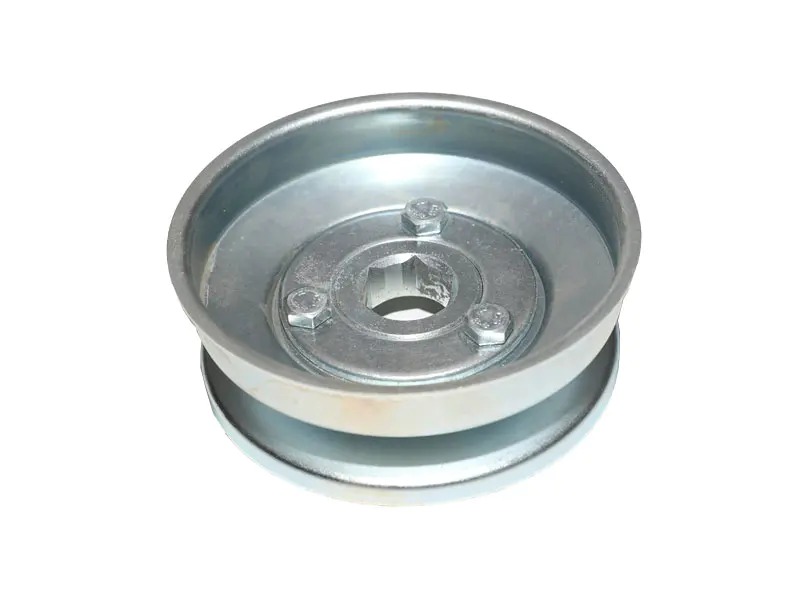
Deck geometry rarely allows a straight belt run from the drive source to each spindle pulley. Idler pulleys redirect the belt around structural cross members, the deck height adjustment mechanism, and other components. A flat-face idler pulley redirects the belt in the same plane; a grooved or V-profile idler makes contact with the belt's working surface and can apply tension more aggressively. Replacing a flat idler with a grooved one — or vice versa — changes how the belt tracks and is a common source of belt-throwing problems after an incorrect parts substitution.
Pulley Lawn Mower Failures: Symptoms and Diagnosis
Pulley failures on a lawn mower deck produce recognizable symptoms. Diagnosing the correct pulley before ordering parts prevents the frustration of replacing the belt three times while the actual problem goes unaddressed.
Common Failure Symptoms by Component
- Squealing or grinding noise at idle — almost always a bearing failure in either a spindle pulley or an idler pulley. With the engine off and the deck disengaged, spin each pulley by hand. A failed bearing will feel rough, notchy, or produce audible grinding. A good bearing spins freely and silently.
- Belt thrown repeatedly — check idler pulley alignment and bracket condition first. A bent idler arm causes the pulley to run at an angle to the belt, which walks the belt off the edge of the pulley under load. Also inspect spindle pulleys for wobble, which indicates a worn spindle bearing allowing the pulley to run off-center.
- Blades won't engage or disengage cleanly — on mechanical engagement systems, inspect the idler spring for fatigue or breakage. A spring that has lost its load rating allows the idler to back off under belt load, causing intermittent engagement. On electric PTO systems, rule out the clutch before condemning the idler.
- Vibration through the deck — a spindle pulley that is cracked, bent, or has a failed hub-to-spindle connection runs out of balance. The vibration signature is distinct from bearing roughness: it is cyclic and proportional to blade speed rather than constant.
- Uneven cut on one side of the deck — a seized spindle pulley causes that spindle's blade to stop rotating while the others continue. The mower will still move and appear to cut, but one blade zone produces ragged, uncut patches.
Inspection Sequence
A systematic inspection takes under 20 minutes and eliminates guesswork. With the engine off, spark plug wire disconnected, and the deck lowered to a working height:
- Remove the belt from each pulley and set it aside.
- Spin each spindle pulley by hand, checking for roughness, wobble, and vertical play in the spindle shaft. More than 1–2 mm of vertical movement indicates a worn spindle bearing.
- Spin each idler pulley by hand, checking bearing smoothness. Check that the idler arm pivots freely and that the spring is intact and under load.
- Inspect all pulleys visually for cracks, missing flanges, and hub damage. A cracked pulley must be replaced regardless of bearing condition.
- Inspect the belt for glazing (shiny sidewalls indicating slippage), cracking on the inner surface, fraying on the edges, and correct width. A belt that has been slipping due to a tensioning problem will show glazed sidewalls and will continue to slip even after the idler is repaired unless the belt is also replaced.
Pulley Swapped Lawn Mower: What Can Go Wrong and How to Get It Right
Swapping pulleys on a lawn mower deck is one of the more common DIY repairs, and also one of the more common sources of post-repair problems. The issues are almost never mechanical skill — they arise from substituting a non-OEM pulley with slightly different dimensions, or from reassembling the belt routing incorrectly.
Critical Dimensions When Replacing a Lawn Mower Pulley
Pulley interchangeability on a mower deck depends on matching several dimensions simultaneously, not just the bore diameter and overall diameter:
| Dimension | Why It Matters | Consequence of Mismatch |
|---|---|---|
| Outside diameter (OD) | Determines belt speed ratio and blade RPM | Wrong blade tip speed; over- or under-cutting |
| Belt groove width and profile | Must match belt cross-section (A, B, 4L, 5L, etc.) | Belt rides too high or too deep in groove; slippage or throwing |
| Hub height / belt-line height | Sets the vertical alignment of the belt relative to adjacent pulleys | Belt runs at an angle between pulleys; rapid edge wear and throwing |
| Bore diameter and keyway | Must match spindle shaft | Pulley won't seat correctly; hub slippage under load |
| Flat vs. grooved face (for idlers) | Determines which face of the belt contacts the idler | Belt tracks incorrectly; premature wear on wrong surface |
Belt Routing After a Pulley Swap
Belt routing diagrams are printed on a decal on most decks — usually on the top side of the deck shell near the front. Before removing the belt during a pulley swap, photograph the routing from multiple angles. The most common post-swap problems are:
- Belt on the wrong side of an idler — the belt should contact the flat face of a flat idler and the groove of a grooved idler. Routing the belt to the wrong side reverses the tension geometry and causes the belt to be thrown immediately on engagement.
- Belt not fully seated in spindle pulley grooves — when reinstalling, rotate each spindle pulley by hand while pressing the belt into the groove. A belt that appears seated from above can be riding on the flange rather than in the groove.
- Idler arm not returning to its engaged position — after routing the belt, verify that the idler spring pulls the arm to the tensioned position and that the arm has full range of motion through the engagement stroke without contacting the deck shell or any fasteners.
Torque Specs and Blade Bolt Tightening
Spindle pulley replacement involves removing the blade bolt on most deck designs, since the blade and pulley share the spindle shaft and are removed as a stack. Blade bolts on most residential riding mowers require 70–90 ft-lbs of torque on reassembly; check the service manual for the specific model. An under-torqued blade bolt allows the blade to shift on the spindle under impact, which damages the spindle taper and makes future removal significantly more difficult. Use a new hardened washer if the original shows any deformation.
OEM vs. Aftermarket Pulleys: What the Price Difference Actually Reflects
Aftermarket mower deck pulleys are widely available at significantly lower prices than OEM parts — often 40–70% less. The quality gap between aftermarket options is substantial, and the price difference within the aftermarket category reflects it more than the OEM-vs-aftermarket comparison does.
The critical variables in pulley quality are bearing grade and sealing. A pulley with a low-grade unsealed bearing will fail within one or two seasons in the dirt and grass debris environment under a mower deck. Quality aftermarket pulleys use double-sealed bearings (2RS designation) with grease retention sufficient for multi-season use without relubrication. OEM pulleys from major manufacturers — Husqvarna, John Deere, Cub Cadet, Toro — use bearings to the same standard, and the hub castings are matched to the dimensional tolerances the deck was designed around.
For high-hour commercial mowers, OEM or premium aftermarket pulleys are cost-effective over the season. For a residential mower used 40–60 hours per year, a quality aftermarket pulley with verified dimensions and a 2RS bearing is a reasonable choice. The pulleys to avoid are the lowest-cost unbranded options with open or single-shielded bearings and hub dimensions that require shims or washers to fit correctly — the savings are absorbed within the first season in re-diagnosis and repeat replacement labor.