English
 中文简体
中文简体 Español
 svenska



Content
What Steering Drag Links Do
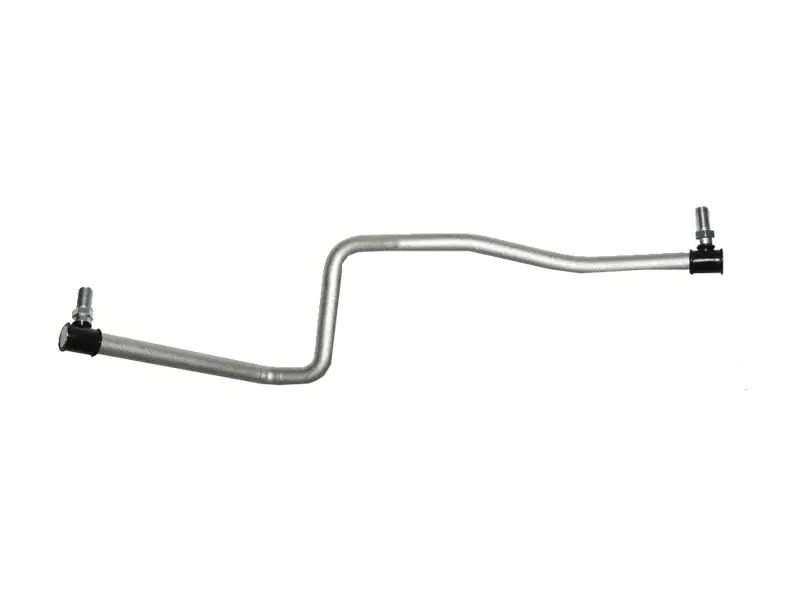
Steering drag links connect the pitman arm, which is driven by the steering gear, to the steering knuckle or tie rod assembly, translating the rotational output of the steering box into the linear motion that turns the wheels. In a typical parallelogram steering system, the drag link is the single component that carries steering input from the driver's turn of the wheel all the way to the front axle, which makes it one of the highest-load components in the entire steering system.
Unlike tie rods, which primarily maintain toe alignment between the two front wheels, a drag link transmits the actual steering force from the gearbox. A failure here results in a sudden and complete loss of steering control, not gradual wander, which is why inspection intervals for this component are typically shorter than for other suspension linkages.
Construction and Key Specifications
A drag link consists of a solid or tubular shaft with ball joints or tapered stud ends at each connection point, allowing for the angular movement needed as the suspension travels and the wheels turn. Shaft diameter and wall thickness (on tubular designs) are sized to the vehicle's gross axle weight rating, and undersized replacement links are a common cause of premature failure on lifted or heavy-duty vehicles.
- Forged steel shafts are standard on light-duty passenger and light truck applications
- Heavy-duty tubular designs with reinforced wall thickness are used on trucks, off-road vehicles, and vehicles carrying aftermarket lift kits
- Ball joint stud taper and thread pitch must match the pitman arm and steering arm exactly — mismatched tapers are a frequent cause of fitment issues on aftermarket replacements
Signs of Drag Link Wear or Failure
Because the drag link operates under constant load and articulation, its ball joints wear gradually before failing outright, and catching this wear early is the difference between a routine replacement and a roadside steering failure.
| Symptom | Likely Cause |
|---|---|
| Clunking noise over bumps | Worn ball joint clearance in the drag link ends |
| Excessive steering wheel play | Accumulated linkage wear, often including the drag link |
| Wandering or drifting at speed | Loose or worn drag link affecting steering geometry |
| Uneven or rapid tire wear | Steering geometry shift from a worn or bent drag link |
Inspection and Maintenance
Checking for play is straightforward: with the vehicle safely raised and the wheels off the ground, grip the drag link near each ball joint and attempt to move it up and down and side to side. Any perceptible movement beyond the joint's designed range of motion indicates wear that warrants replacement, since drag link ball joints are typically not designed to be individually rebuilt.
On vehicles with grease fittings, regular lubrication at the manufacturer's specified interval significantly extends ball joint life by keeping contaminants out of the joint and maintaining proper lubrication film between the ball and socket.
Sourcing and Replacement Considerations
When sourcing replacement steering drag links, matching the exact length and thread specification to the original part is critical, since an incorrect length alters toe-in and can cause the vehicle to pull to one side even when every other alignment component is correctly set. Buyers should also confirm whether the link is adjustable (with a threaded sleeve for length adjustment) or fixed-length, as this affects the alignment procedure after installation.
- Match shaft diameter and material grade to the vehicle's gross axle weight rating, especially on lifted or heavy-duty applications
- Confirm ball joint taper and thread specifications against the pitman arm and steering arm before ordering
- Verify whether the link is adjustable or fixed-length to plan the post-installation alignment procedure
- Request material certification for heavy-duty or commercial vehicle applications where load ratings are safety-critical