English
 中文简体
中文简体 Español
 svenska



In the world of outdoor power equipment, the lawn mower pulley is a fundamental component that dictates the efficiency, power, and longevity of the machine. Whether it is a residential walk-behind mower or a heavy-duty commercial zero-turn tractor, the pulley system acts as the heart of the power transmission, converting engine torque into the high-speed rotation required for clean grass cutting. For wholesalers, distributors, and maintenance professionals, understanding the technical nuances of these components is essential for optimizing machine performance and reducing operational downtime.
Content
Understanding the Functional Roles: Drive Pulleys vs. Idler Pulleys
The pulley system within a mower deck is not a uniform collection of wheels. Instead, it is a sophisticated network of specialized components, each serving a distinct mechanical purpose. The two primary categories are drive pulleys (including spindle pulleys) and idler pulleys.
Drive Pulleys and Spindle Pulleys
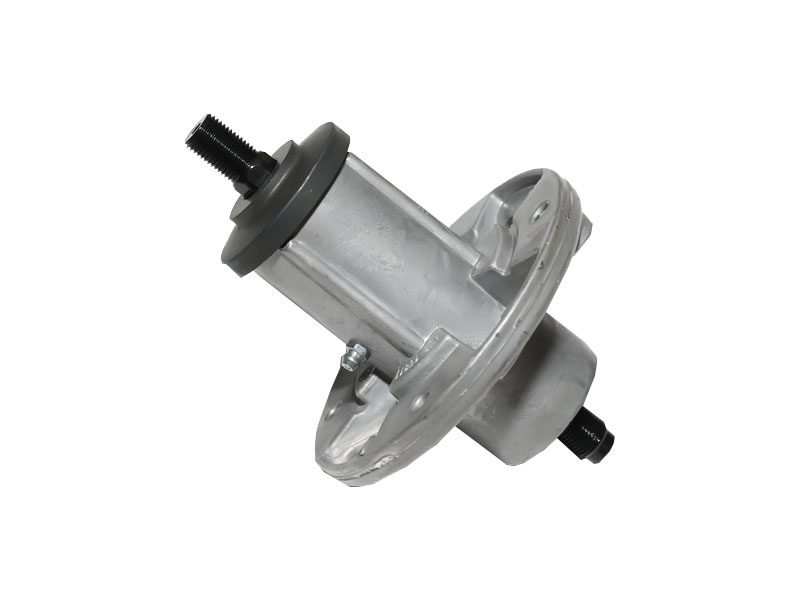
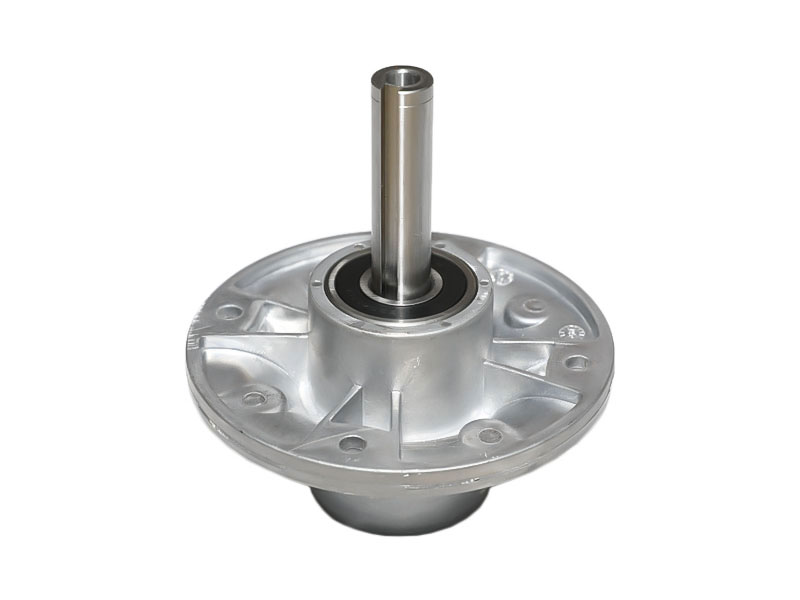
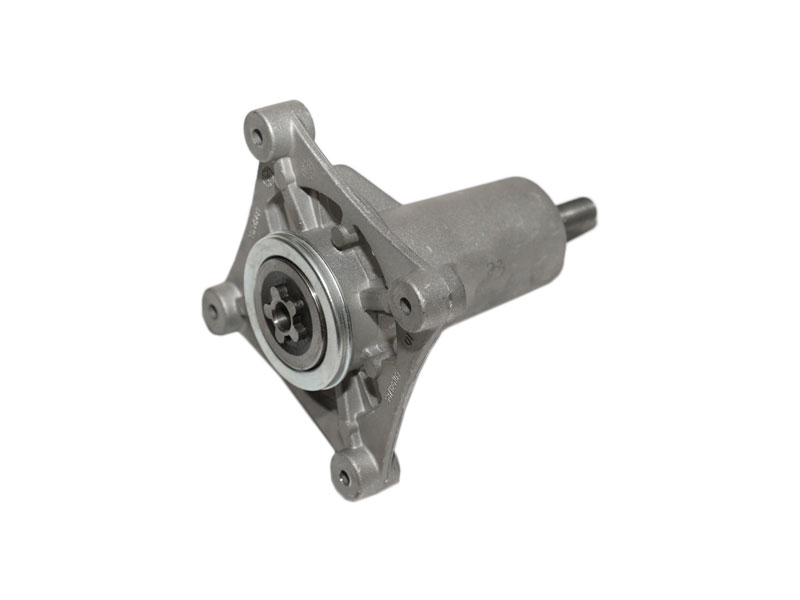
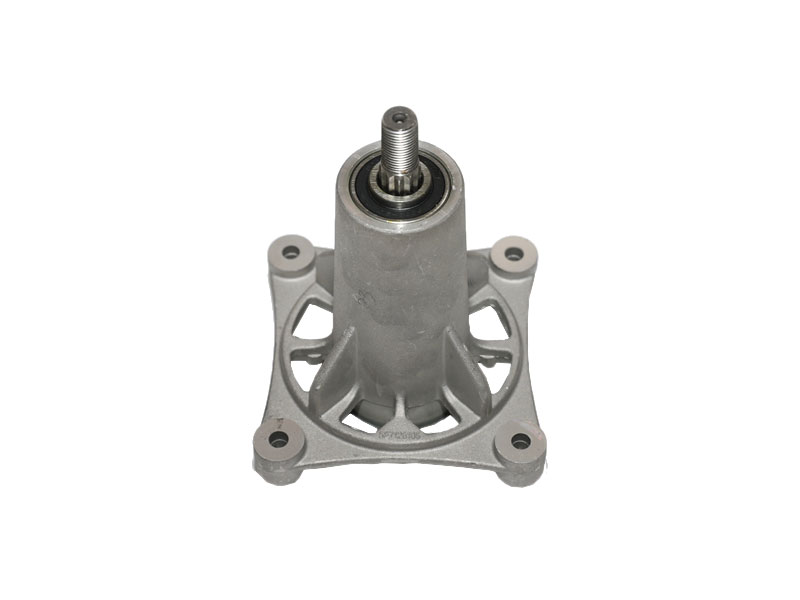
Drive pulleys are the active participants in the transmission system. Usually mounted directly onto the engine crankshaft or the mower deck spindles, their primary role is to transfer rotational energy to the cutting blades. The diameter of the drive pulley is a critical variable: a larger pulley increases the belt speed and consequently the blade tip speed, which is vital for achieving a clean cut in dense or tall grass. Conversely, smaller pulleys provide higher torque, which is beneficial for heavy-duty applications where the engine must overcome significant resistance without stalling.
Idler Pulleys
Idler pulleys are the passive yet indispensable components of the belt path. Unlike drive pulleys, they do not transmit power to a load. Instead, they are used to:
- Maintain proper belt tension to prevent slippage.
- Direct the belt around obstacles within the mower deck.
- Dampen vibrations caused by high-speed operation.
Idler pulleys are often mounted on adjustable arms or spring-loaded tensioners, allowing them to compensate for belt stretching over time.
Material Science: Steel vs. Nylon vs. Aluminum
Selecting the right material for a lawn mower pulley involves a trade-off between weight, durability, and cost. Professional manufacturers typically utilize three main materials, each with specific performance characteristics.
| Feature | Heavy-Duty Steel Pulleys | Glass-Reinforced Nylon Pulleys | Precision Aluminum Pulleys |
|---|---|---|---|
| Durability | Extremely high; resistant to impact | High; excellent for low-load areas | High; good balance of strength |
| Weight | Heavy; increases rotational inertia | Very light; reduces engine load | Moderate; light yet sturdy |
| Corrosion Resistance | Requires coating (zinc/powder) | Naturally corrosion-proof | High; forms protective oxide layer |
| Heat Dissipation | Excellent | Moderate | Superior |
| Common Application | Commercial decks, main drive | Tensioners, residential idlers | High-performance racing/custom |
Steel Pulleys remain the industry standard for commercial-grade equipment. Their high tensile strength and ability to withstand the abrasive environment of a mower deck (dust, sand, and debris) make them ideal for spindle applications.
Nylon Pulleys, specifically those reinforced with glass fiber, have gained massive popularity in the residential market. They offer significant weight savings, which reduces the inertia the engine must overcome during startup. Furthermore, nylon is inherently resistant to the corrosive effects of moisture and grass sap, which can cause untreated steel to rust.
Technical Comparison of Pulley Profiles
The profile of the pulley groove must perfectly match the belt type to ensure maximum friction and minimal wear. In the lawn care industry, the most common profiles are V-belt and Flat-belt.
V-Belt Pulleys (Sheaves)
V-belt pulleys feature a deep, wedge-shaped groove. This design utilizes the “wedging action” to increase friction between the belt sidewalls and the pulley. This allows for the transmission of high torque with relatively low belt tension. Most lawn mower deck drives use V-belt pulleys because they are efficient and less prone to slipping when the blades encounter thick patches of grass.
Flat Pulleys
Flat pulleys are typically used as idlers. Since they do not have a deep groove, they often feature a “crowned” surface (a slight bulge in the center) to help the belt remain centered through centrifugal force. Flat idler pulleys are often used on the backside of the belt to provide tension without causing excessive wear on the belt’s V-profile.
Identifying and Troubleshooting Pulley Failure
A failing pulley can lead to a cascade of mechanical issues, most notably premature belt failure. Professional operators must be able to identify the early warning signs of pulley wear to prevent expensive repairs.
- Unusual Noise (Squealing or Grinding): A high-pitched squeal often indicates that the belt is slipping on a seized or sticking pulley. A grinding noise usually points to a failure in the internal ball bearings of the pulley.
- Vibration: If the pulley becomes bent or the mounting hole becomes oval-shaped (wallowed out), it will create an imbalance. This vibration can damage the spindles and engine seals over time.
- Belt Glazing: If the side of the belt looks shiny or “burnt,” it is a sign that the pulley is not spinning freely, causing the belt to rub against a stationary surface.
- Physical Wear: Over thousands of hours, the V-groove in a metal pulley can actually wear down, becoming wider. This causes the belt to sit deeper in the groove, changing the effective drive ratio and reducing tension.
Maintenance Standards for Industrial Pulleys
To maximize the lifespan of a pulley system, a strict maintenance schedule should be followed. This is particularly important for B2B distributors who manage large fleets of equipment.
- Cleaning: After every use, the mower deck should be cleared of grass clippings. Accumulated debris can trap moisture against the pulleys, leading to bearing corrosion or causing nylon pulleys to warp due to heat buildup.
- Bearing Lubrication: While many modern pulleys use “sealed-for-life” bearings, high-end commercial pulleys often feature grease zerks. Regular lubrication with high-temperature lithium grease is essential for these models.
- Alignment Check: Pulleys must be perfectly aligned in a single plane. Even a slight offset can cause the belt to “climb” the side of the pulley, leading to fraying and eventual snapping.
Conclusion
The lawn mower pulley is a precision-engineered component that requires careful selection based on the intended application. By understanding the differences between drive and idler functions, and the material benefits of steel versus nylon, professionals can ensure their equipment operates at peak efficiency. Regular inspection and adherence to technical maintenance standards are the best ways to ensure that these small but vital wheels continue to turn, day after day, in the demanding world of professional landscaping.
FAQ
1. What is the difference between a spindle pulley and an idler pulley?
A spindle pulley is a drive pulley that is attached to the blade shaft to provide rotation to the cutting blade. An idler pulley is a passive component used primarily to maintain belt tension and guide the belt’s path.
2. Can I replace a steel pulley with a nylon one?
It depends on the application. Nylon pulleys are excellent for idler and tensioner positions in residential mowers. However, for the main drive or spindle positions in commercial machines, steel is usually preferred due to its higher heat resistance and durability.
3. Why do my mower pulleys keep wearing out my belts?
The most common causes are pulley misalignment, seized bearings, or a worn-out groove. If the pulley groove becomes too wide, the belt will bottom out, leading to excessive heat and rapid wear.
4. How do I know if the internal bearing of my pulley is bad?
Remove the belt and spin the pulley by hand. If it feels “crunchy,” makes a clicking sound, or has significant side-to-side play (wobble), the bearing has failed and the entire pulley should be replaced.
5. Does the size of the pulley affect the cutting quality?
Yes. A larger drive pulley increases the blade tip speed. Higher blade speeds generally result in a cleaner cut and better bagging performance, but it requires more engine horsepower to maintain that speed.
References
- Mechanical Power Transmission Association (MPA): Standards for V-Belt and Pulley Design.
- International Organization for Standardization (ISO) 5291: Belt drives — Grooved pulleys for joined V-belts.
- Materials Science and Engineering: A Review of Glass-Reinforced Polymers in Power Equipment.
- Small Engine Technology Conference (SETC): Analysis of Heat Dissipation in Mower Deck Belt Drives.
- Society of Automotive Engineers (SAE) J1562: Guidelines for V-Belt and Pulley Maintenance.