English
 中文简体
中文简体 Español
 svenska



For homeowners and landscaping professionals alike, a smoothly operating lawn mower is essential for efficient yard care. The steering system is a critical yet often overlooked component that directly impacts control, safety, and the quality of your cut. This comprehensive guide delves into the world of lawn mower steering parts, explaining their functions, common issues, and maintenance tips. We'll also explore how precision manufacturing, like that practiced by Hangzhou Shengda Bearing Co., Ltd., contributes to the reliability of these mechanical systems.
Content
- 1 Understanding Your Lawn Mower's Steering System
- 2 Common Lawn Mower Steering Problems and DIY Fixes
- 3 How to Replace Key Steering Components
- 4 The Critical Role of Bushings and Bearings in Steering
- 5 Finding the Right Parts: Diagrams and Cross-References
- 6 Preventive Maintenance for Your Steering System
- 7 Frequently Asked Questions (FAQ)
- 7.1 1. How often should I lubricate my lawn mower's steering components?
- 7.2 2. Can I replace lawn mower steering parts myself, or should I hire a professional?
- 7.3 3. My mower pulls to the left. Is this always a steering part problem?
- 7.4 4. What are the signs that my steering gearbox is failing?
- 7.5 5. Why is precision manufacturing important for replacement bushings and bearings?
- 8
- 9 References
Understanding Your Lawn Mower's Steering System
The steering mechanism on a lawn mower, unlike a car, is typically a simple but robust assembly designed for durability over rough terrain. Its primary function is to translate the operator's input at the steering wheel or control levers into directional change at the front wheels. A failure in this system can lead to poor handling, uneven cutting, and even safety hazards.
Key Components of the Steering Assembly
The system comprises several interconnected parts:
- Steering Wheel/Control Levers: The operator's interface.
- Steering Shaft: A vertical rod that connects the wheel to the gearbox.
- Steering Gearbox: Contains gears to reduce effort and change the motion direction.
- Tie Rods: Linkages that connect the gearbox to the steering arms on the wheel spindles.
- Spindles and Kingpins: The axles upon which the front wheels pivot.
- Bushings and Bearings: Crucial for reducing friction and ensuring smooth rotation at pivot points.
Common Lawn Mower Steering Problems and DIY Fixes
Identifying issues early can prevent costly repairs. Here are frequent problems linked to lawn mower steering parts.
1. Excessive Play or Loose Steering
This is the most common complaint, where the mower wanders or the steering wheel has too much free movement before the wheels respond.
- Primary Causes: Worn tie rod ends, loose drag links, or deteriorated bushings in the spindle assemblies.
- DIY Check: Lift the front of the mower safely. Grasp each front wheel and try to wigble it side-to-side and top-to-bottom. Excessive movement indicates worn parts.
2. Stiff or Hard-to-Turn Steering
Requiring excessive force to turn is not only tiring but can signal impending failure.
- Primary Causes: Lack of lubrication, damaged gearbox gears, or seized spindle bearings.
- DIY Fix: Locate all grease fittings (zerks) on the steering spindles and linkage points. Apply a quality grease. If the problem persists, the gearbox may need inspection.
3. Uneven Tire Wear or Pulling to One Side
While sometimes a tire pressure issue, this can stem from misaligned steering linkages.
- Primary Cause: Bent tie rods or an incorrectly adjusted drag link altering the toe-in/toe-out alignment.
- Professional Advice: True steering alignment on mowers often requires specialized tools and is best left to a technician.
How to Replace Key Steering Components
Replacing worn lawn mower steering parts restores safety and performance. Here we focus on two common replacements.
Replacing a Lawn Mower Tie Rod End
Tie rod ends are ball-and-socket joints that wear out over time. How to replace a lawn mower tie rod end is a common search, and the process is generally straightforward.
Step-by-Step Process:
- Secure the mower on a flat surface and block the wheels.
- Remove the cotter pin and castle nut from the worn tie rod end.
- Use a tie rod separator or pickle fork to disconnect the joint from the steering arm.
- Unscrew the old tie rod from the adjuster sleeve, counting the number of turns to maintain approximate alignment.
- Screw the new tie rod end into the sleeve the same number of turns and attach it to the steering arm.
- Reinstall the castle nut and a new cotter pin. Re-check alignment.
Identifying and Fixing a Loose Steering Wheel
A wobbly steering wheel is disconcerting. What to do when your lawn mower steering wheel is loose involves checking a few key areas.
Inspection Points:
- Hub Connection: Tighten the large center nut or bolt beneath the wheel cap.
- Shaft Splines: If the splines on the shaft or wheel hub are worn, the wheel will slip. Replacement is necessary.
- Column Bushings: Worn bushings where the steering shaft enters the column can cause play.
The Critical Role of Bushings and Bearings in Steering
Smooth, low-friction movement is impossible without quality bushings and bearings. These components are at the heart of steering performance.
Bushings vs. Bearings: A Comparison
While both reduce friction, their applications differ. The sentence below summarizes a key difference, and the table provides a detailed comparison.
Generally, bushings are simpler, single-component sleeves ideal for slower rotational or pivoting motions, while bearings use rolling elements to handle higher speeds and loads with greater efficiency[1].
| Feature | Bushing (Sleeve Bearing) | Bearing (Ball/Roller) |
| Construction | Single, solid cylinder (often bronze, nylon) | Inner/outer races with rolling elements (balls, rollers) |
| Friction Type | Sliding friction | Rolling friction |
| Load Capacity | Good for radial loads | Excellent for radial and/or thrust loads |
| Maintenance | Requires regular lubrication | Often sealed and pre-lubricated |
| Common Use in Mowers | Spindle pivots, linkage points | Wheel hubs, gearbox shafts |
Importance of Precision in Manufacturing
The longevity of a steering system heavily depends on the quality of these small components. Companies specializing in precision parts, like Hangzhou Shengda Bearing Co., Ltd., play a vital role. With over two decades of experience in machinery manufacturing and adherence to international standards like ISO/TS16949, such manufacturers ensure that replacement lawn mower steering linkage bushings and bearings meet exacting specifications for dimensional accuracy and material durability. This precision translates to tighter tolerances, less play, and longer service life in the harsh environment of lawn equipment.
Finding the Right Parts: Diagrams and Cross-References
Locating the correct part is half the battle. Where to find a steering parts diagram for my mower model is a crucial step for any repair.
- Owner's/Service Manual: The first and best resource, containing exploded-view diagrams and part numbers.
- Manufacturer Websites: Most major brands have online parts portals where you can enter your model number.
- Third-Party Parts Suppliers: Reputable suppliers offer detailed diagrams and cross-reference tools.
Zero-Turn Mower Steering Maintenance
Zero-turn mowers (ZTMs) use a dual-hydrostatic system for steering, which is different from traditional wheeled steering. Zero turn mower steering maintenance tips focus on the hydrostatic system and linkage.
Key ZTM-Specific Tips:
- Check Hydraulic Fluid: Low or dirty fluid can cause sluggish response.
- Lubricate Linkages: The rods connecting control levers to hydraulic pump arms must move freely.
- Inspect Pump Arms: Ensure the arms on the hydraulic pumps are secure and not bent.
- Avoid Internal Adjustments: Trimming the pump is a complex procedure; consult a professional.
Preventive Maintenance for Your Steering System
Regular care prevents most major steering issues. A simple lawn mower front axle and steering inspection should be part of your seasonal tune-up.
Recommended Maintenance Schedule
- Before Each Use: Visually check for obvious damage or loose parts.
- Every 25 Hours/Seasonally:
- Lubricate all grease fittings on spindles and linkages.
- Check for loose nuts, bolts, and cotter pins.
- Manually test for play in the wheels and steering wheel.
- Every 100 Hours/Annually:
- Perform a more thorough inspection of all tie rod ends and bushings.
- Clean debris from around the steering column and gearbox.
Frequently Asked Questions (FAQ)
1. How often should I lubricate my lawn mower's steering components?
Most manufacturers recommend greasing the steering spindle zerks and any linkage fittings every 25 hours of operation or at least once per mowing season. Always refer to your specific model's manual.
2. Can I replace lawn mower steering parts myself, or should I hire a professional?
Simple replacements like a tie rod end or a loose steering wheel nut are within the scope of a DIYer with basic tools. However, tasks involving the steering gearbox internal repairs, severe alignment issues, or the hydraulic systems on zero-turn mowers are best handled by a qualified technician.
3. My mower pulls to the left. Is this always a steering part problem?
Not always. First, check and equalize tire pressure in both front tires. If the problem persists, then inspect for a bent tie rod, worn bushings on one side, or uneven brake drag (on certain models).
4. What are the signs that my steering gearbox is failing?
Key signs include steering that is extremely stiff or gritty when turning, complete inability to turn, visible metal shavings around the gearbox, or excessive play that cannot be eliminated by tightening external linkages.
5. Why is precision manufacturing important for replacement bushings and bearings?
Precision-made components ensure correct fit and function. Components from experienced manufacturers like Hangzhou Shengda Bearing Co., Ltd. are engineered to exact tolerances, reducing unwanted play, minimizing wear, and extending the overall life of your mower's steering system. Inferior parts can lead to rapid wear, poor handling, and the need for repeated repairs.
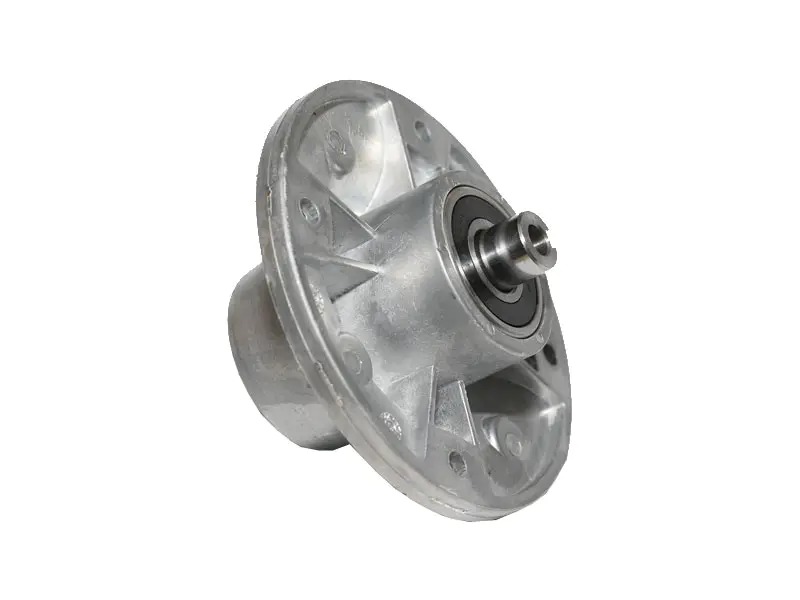
Your mower's steering system is a vital network of interconnected lawn mower steering parts. Understanding its components—from the tie rods and spindles to the critical lawn mower steering linkage bushings—empowers you to perform basic maintenance, diagnose issues like a loose steering wheel, and undertake straightforward repairs such as replacing a tie rod end. Regular inspections and proper lubrication are the best defenses against major failures. Whether you're maintaining a standard riding mower or following specific zero turn mower steering maintenance tips, remember that the quality of replacement parts matters. Precision-engineered components form the foundation of a safe, responsive, and durable steering system for seasons to come.
References
[1] Budynas, R. G., & Nisbett, J. K. (2015). *Shigley's Mechanical Engineering Design* (10th ed.). McGraw-Hill Education. This textbook provides foundational knowledge on the design and application of bushings and bearings, explaining the differences in friction and load capacity.