English
 中文简体
中文简体 Español
 svenska



Content
- 1 Understanding the Heavy Duty Drag Link and Its Critical Role
- 2 Signs of a Worn Drag Link You Should Never Ignore
- 3 How to Choose the Right Heavy Duty Drag Link for Your Truck
- 4 A Step-by-Step Guide to Drag Link Adjustment and Replacement
- 5 Ensuring Longevity: Maintenance Tips for Drag Link Components
- 6 Comparing Heavy Duty Drag Link Kits to Individual Components
Understanding the Heavy Duty Drag Link and Its Critical Role
At the heart of a vehicle's steering system, particularly in robust applications like large trucks, commercial vehicles, and off-road machinery, lies a component of paramount importance: the Heavy Duty Drag Link. This fundamental part acts as the critical connecting rod between the steering gear Pitman arm and the steering system's tie rods or the steering knuckle. Its primary function is to translate the rotational movement from the steering box into the lateral, side-to-side motion that turns the vehicle's wheels. Unlike its lighter-duty counterparts, a heavy-duty drag link is engineered to withstand significantly higher levels of stress, shock loads, and constant wear and tear, making it indispensable for vehicles that carry heavy loads, traverse challenging terrains, or are subject to prolonged use. Failure of this component is not a minor inconvenience; it directly compromises steering precision and can lead to a complete loss of vehicle control, underscoring the non-negotiable need for durability and reliability in its design and construction.
The construction of a genuine heavy-duty drag link is what sets it apart. It typically features a solid, high-strength steel bar or tube, often heat-treated for enhanced toughness and resistance to bending or warping. The ends are fitted with precision-machined joints, which are usually either Heim joints or more commonly, hardened and forged ball sockets that allow for a specific range of movement while maintaining a secure connection. These joints are the pivot points that absorb the majority of the stress and are therefore the most common points of failure. In heavy-duty versions, these joints are not only larger but are also crafted from superior materials and are frequently serviceable, meaning they can be greased to expel contaminants and maintain lubrication, thereby drastically extending their service life. Understanding this component's role and construction is the first step in appreciating the importance of proper selection and maintenance.
Why a Standard Drag Link Isn't Enough for Demanding Applications
Many vehicle owners might wonder about the tangible differences between a standard OEM replacement drag link and a true heavy-duty upgrade. The distinction is not merely in name but in fundamental engineering and performance characteristics. A standard drag link is designed to meet the original specifications for a vehicle under normal operating conditions. However, for vehicles that are modified, consistently overloaded, or operated in extreme environments, these standard components become the weakest link in the steering system.
The consequences of using an under-specification drag link can be severe. It can lead to:
- Excessive Play and Wobble: Inferior materials and joints wear out quickly, introducing slack into the steering system. This slack manifests as a vague steering feel, wandering on the road, and in severe cases, can initiate a dangerous death wobble.
- Catastrophic Failure: Under extreme stress, a subpar drag link can bend or even snap. This results in an immediate and total loss of steering control, creating an extremely hazardous situation for the driver and others on the road.
- Accelerated Wear on Other Components: A worn drag link places uneven and abnormal stress on related parts, such as the tie rod ends, Pitman arm, and idler arm, leading to a cascade of failures and costly repairs.
The following table illustrates the key differences between a standard and a heavy-duty drag link:
| Feature | Standard Drag Link | Heavy Duty Drag Link |
|---|---|---|
| Primary Material | Mild steel, sometimes hollow-core | Heat-treated, high-strength alloy steel; solid or reinforced tubular design |
| Joint Construction | Often non-greasable, sealed joints | Larger, greasable (zerk fittings) joints with hardened sockets |
| Load Rating | Designed for OEM vehicle weight | Engineered for increased GVWR, larger tires, and off-road stress |
| Expected Lifespan | Varies, but can be shortened by harsh conditions | Significantly longer, even under constant duress |
| Resistance to Elements | Standard protective coatings | Enhanced corrosion resistance (e.g., zinc plating, powder coating) |
Therefore, for anyone using their vehicle beyond the scope of light, paved-road driving, investing in a properly rated heavy-duty drag link is not an upgrade but a essential safety requirement.
Signs of a Worn Drag Link You Should Never Ignore
Proactive maintenance is the key to vehicle safety, and this is especially true for the steering system. Recognizing the early warning signs of a failing drag link can prevent minor issues from escalating into major repairs or dangerous situations on the road. Drivers should cultivate a habit of regularly listening and feeling for changes in their vehicle's behavior, as these changes are often the first indicators of a problem.
Auditory and Tactile Warning Signals
One of the most common symptoms of wear in the drag link is the presence of unusual noises. As the joints and sockets wear out, they develop play, or slop. This movement allows metal components to knock against each other, producing distinct clunking or knocking sounds. These noises are most audible when turning the steering wheel at low speeds, such as when parking or navigating a tight corner. Another sound to be wary of is a popping noise, which can occur when the worn joint binds and then releases as the steering is turned. Beyond noise, the steering wheel itself will provide tactile feedback. A noticeable looseness or excessive free play in the steering wheel—where you can turn it a significant amount before the wheels respond—is a classic sign of wear in the steering linkage, potentially originating from the drag link. In advanced stages, this can even lead to a steering shimmy or vibration, particularly at highway speeds.
Visual Inspection Clues
A visual inspection is a powerful diagnostic tool that should be performed regularly. To inspect the drag link, safely jack up the front of the vehicle and support it on jack stands, allowing the front wheels to hang free. Physically grasp the drag link and attempt to move it up, down, and side-to-side. Any perceptible movement or play in the joints is a clear sign of wear; a healthy joint should feel tight with no lateral or vertical movement. Additionally, look for signs of physical damage such as dents, bends, or cracks in the link itself. Check the rubber boots that seal the joints; if they are torn, cracked, or missing, they have allowed dirt, moisture, and abrasives to enter the joint, accelerating wear and necessitating replacement. The presence of grease leaking from a torn boot also indicates that the internal lubrication is compromised.
Ignoring these signs leads to a progressive degradation of steering accuracy and safety. The vehicle may begin to wander or pull to one side, requiring constant steering correction. The culmination of these issues is a severely compromised ability to control the vehicle, especially in emergency maneuvers. Therefore, upon noticing any of these signs of a worn drag link, immediate inspection by a qualified mechanic is strongly recommended.
How to Choose the Right Heavy Duty Drag Link for Your Truck
Selecting the appropriate heavy-duty drag link is a decision that directly impacts your vehicle's safety, performance, and longevity. It is not a one-size-fits-all component, and a choice made based solely on price can have negative consequences. A systematic approach to selection, considering your specific vehicle and its use case, will ensure you invest in a component that delivers reliability and peace of mind.
Key Selection Criteria
Several critical factors must be evaluated to find the perfect match for your truck:
- Vehicle Compatibility: This is the most fundamental requirement. The drag link must be designed for your truck's specific year, make, and model. Furthermore, it must be compatible with your steering system type (e.g., factory setup, modified with a lift kit) and the size of your tires.
- Material and Build Quality: Scrutinize the product specifications. Look for drag links made from heat-treated, cold-rolled, or forged steel. The wall thickness and diameter of the link are also indicators of strength; a thicker, larger-diameter tube will resist bending forces more effectively.
- Joint Design: Prioritize models with serviceable, greasable joints equipped with high-quality zerks (grease fittings). This feature allows you to purge contaminants and maintain proper lubrication, which is the single biggest factor in extending the component's life. The joints should use high-grade, hardened metals for both the ball and the socket.
- Lift Kit and Tire Size Considerations: If your vehicle is equipped with a suspension lift kit, the geometry of the steering system changes. A standard drag link will often not correct the altered angles, leading to bump steer and premature wear. Many heavy-duty drag links are specifically designed to correct this geometry for lifted vehicles. Similarly, larger, heavier tires place increased stress on the entire steering system, necessitating a component rated for the extra load.
- Protective Finishes: Given its exposed location underneath the vehicle, a drag link is susceptible to corrosion from road salt, water, and mud. A high-quality finish, such as a durable powder coat or zinc plating, can significantly slow this process and maintain structural integrity.
By carefully weighing these criteria against your vehicle's specifications and your driving habits, you can make an informed decision. The goal is to choose a Heavy Duty Drag Link for your truck that not only fits but also enhances the robustness and safety of your steering system for the long haul.
A Step-by-Step Guide to Drag Link Adjustment and Replacement
Replacing or adjusting a drag link is a serious task that requires mechanical aptitude, the correct tools, and a focus on safety. While professional installation is always advised for critical safety components, understanding the process is valuable for any vehicle owner. This guide outlines the general procedure, but it is imperative to consult the specific service manual for your vehicle for detailed instructions and torque specifications.
The Replacement Procedure
Warning: Always work on a level surface, use jack stands to support the vehicle—never rely solely on a jack—and wear appropriate safety gear.
- Preparation: Gather all necessary tools, including wrenches, sockets, a pickle fork or puller for separating tapered joints, a torque wrench, and new grease. It is highly recommended to have a helper assist you, especially when dealing with steering components.
- Loosen the Front Wheels: Jack up the front end of the vehicle and secure it on jack stands. Remove the front wheels to allow for better access and visibility.
- Center the Steering Wheel: Before disassembling anything, ensure the steering wheel is locked in a perfectly straight-ahead position. This is a crucial reference point for the reassembly process.
- Disassembly: Identify the drag link, which runs from the Pitman arm (connected to the steering box) to the passenger-side steering knuckle or tie rod. Use the pickle fork or puller to carefully separate the drag link from both the Pitman arm and the steering knuckle. Avoid damaging the rubber boots on adjacent components. Once separated, unthread and remove the old drag link.
- Installation of the New Drag Link: Thread the new heavy-duty drag link into place, hand-tightening the joints at both ends. Do not fully torque the fasteners at this stage. The new link should be approximately the same length as the old one to maintain baseline steering geometry.
The Critical Adjustment Phase
Simply bolting on a new drag link is not enough; it must be adjusted to set the correct toe angle. This is why a professional alignment is mandatory after replacement. However, a preliminary adjustment can be made to get the vehicle to the alignment shop safely.
The drag link has a threaded sleeve in the middle that allows its overall length to be adjusted. Turning this sleeve lengthens or shortens the link. This adjustment directly changes the steering wheel's center position. The goal is to set the length so that with the steering wheel locked straight, the front wheels are also pointing straight ahead. This is a delicate process of small adjustments. After any adjustment, the jam nuts on the sleeve must be tightened securely to lock the setting in place. Once the new drag link is installed and roughly adjusted, the final and most important step is to take the vehicle to a professional technician for a full front-end alignment. They will use precise equipment to set the toe, caster, and camber to factory specifications, ensuring optimal tire wear and safe, straight-line tracking. Proper drag link adjustment and replacement is incomplete without this professional service.
Ensuring Longevity: Maintenance Tips for Drag Link Components
Investing in a high-quality heavy-duty drag link is only part of the equation. To protect that investment and ensure the component delivers its full potential in terms of service life and reliability, a consistent and thorough maintenance regimen is essential. The steering system operates in a harsh environment, constantly exposed to dirt, water, road chemicals, and immense physical forces. Proactive maintenance counters these elements and is far more cost-effective than reactive repairs.
The Lubrication Schedule
The single most important maintenance task for a serviceable drag link is regular lubrication. The grease inside the joints serves two vital functions: it reduces friction and wear between moving metal parts, and it acts as a barrier, sealing out contaminants like dirt and moisture. Over time, this grease can break down, become contaminated, or be forced out. A regular greasing schedule replenishes this vital lubricant.
How often should you grease the drag link? There is no universal answer, as it depends entirely on operating conditions. A good baseline is to grease all fittings every time you change your engine oil. However, if you frequently drive off-road, through water, or on heavily salted roads, you should grease the components much more frequently—perhaps even after every significant outing. Use a high-quality, lithium-based grease designed for automotive chassis components. When greasing, pump fresh grease into the zerk fitting until you see a slight bulge in the rubber boot and clean grease begins to purge out of the seals. This indicates that the old, contaminated grease has been displaced. Avoid over-greasing, as this can damage the seals.
Routine Inspection Routines
Lubrication should always be accompanied by a visual and physical inspection. This doesn't require lifting the vehicle every time, but a more detailed check should be part of your regular under-car inspections (e.g., during oil changes). Look for the signs of wear discussed earlier: torn boots, visible grease leakage, and any signs of impact damage or bending. physically grab the drag link and try to shake it. There should be no detectable play or clunking. Any discovered issues should be addressed immediately. Furthermore, periodically check the tightness of all fasteners and jam nuts with the appropriate tools, as vibration can cause them to loosen over time. By adhering to these simple yet effective maintenance tips for drag link longevity, you can dramatically extend its life, maintain precise steering, and most importantly, ensure your safety and the safety of others on the road.
Comparing Heavy Duty Drag Link Kits to Individual Components
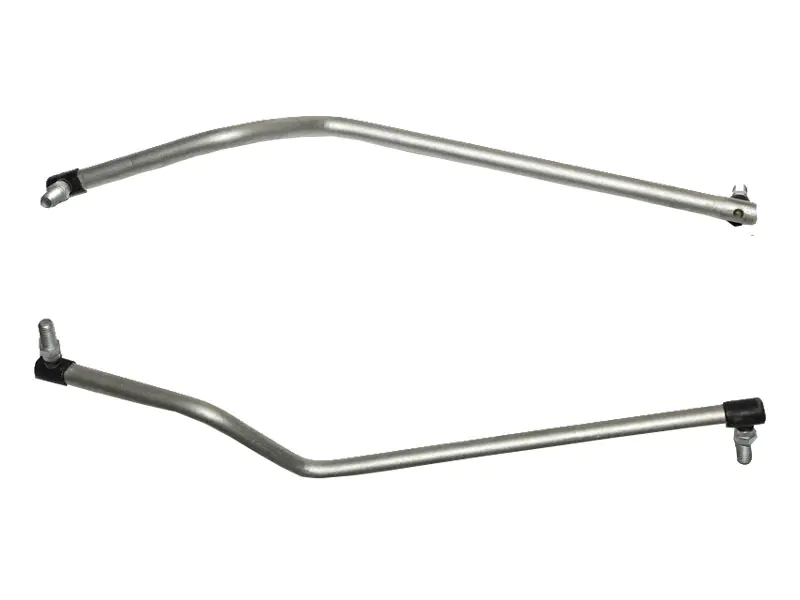
When the time comes to upgrade or replace a worn drag link, vehicle owners are presented with a choice: purchase the drag link as a standalone component or invest in a comprehensive steering linkage kit. A Heavy Duty Drag Link Kit typically includes not only the drag link itself but also other related components, most commonly the tie rod (which connects the two front wheels) and sometimes the tie rod ends. This bundled approach offers a holistic solution for steering system rejuvenation.
The Systemic Approach to Steering Health
The steering system is a coordinated assembly of parts. Wear rarely occurs in isolation. For instance, if a drag link has failed due to worn joints, it is highly likely that the tie rod and its ends have also been subjected to the same stresses and may be nearing the end of their service life. Replacing just the drag link on a system with other worn components is a half-measure. The old, worn tie rod will continue to cause steering play and imprecise handling, and its eventual failure will necessitate another round of labor costs to disassemble the same area of the vehicle. By contrast, a kit allows for the replacement of all major linkage components simultaneously. This ensures that the entire system is restored to like-new integrity, providing uniform performance and predictability. It eliminates the guesswork of diagnosing which specific link is causing play, as everything is new.
Cost and Performance Benefits
While the initial outlay for a complete kit is higher than for a single drag link, it often represents better long-term value. The cost per component in a kit is usually lower than purchasing each part individually. More significantly, it saves on labor costs. Since much of the labor involved in replacing the drag link overlaps with the labor required to replace the tie rod (jacking up the vehicle, removing wheels, etc.), doing both jobs at once cuts the total labor time almost in half. From a performance perspective, installing a matched kit ensures that all components are designed to work together seamlessly. The strength and quality are consistent across the entire system, which is particularly important for heavy-duty applications where a single weak point can undermine the entire upgrade. For anyone serious about their vehicle's steering performance and safety, choosing a matched Heavy Duty Drag Link Kit is the most comprehensive and economically sensible approach.