English
 中文简体
中文简体 Español
 svenska



Content
Understanding the Heart of Your Mower: The Deck Spindle
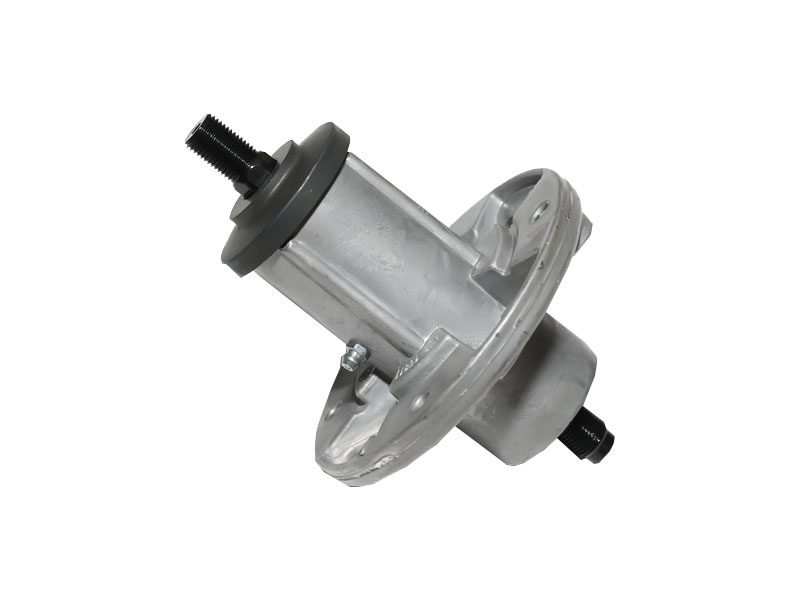
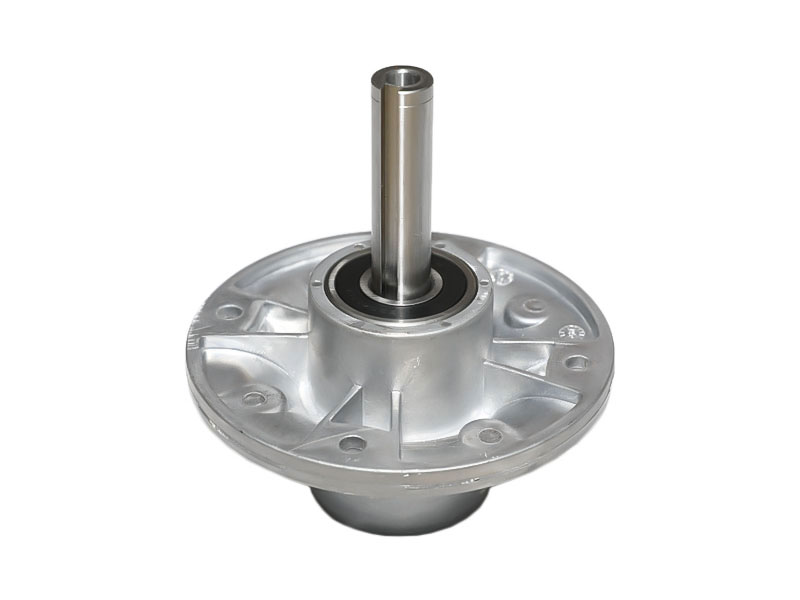
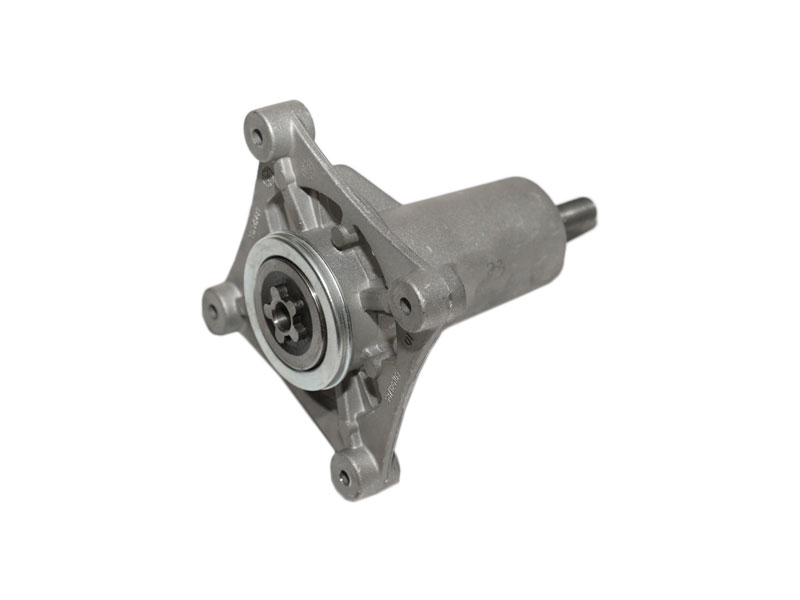
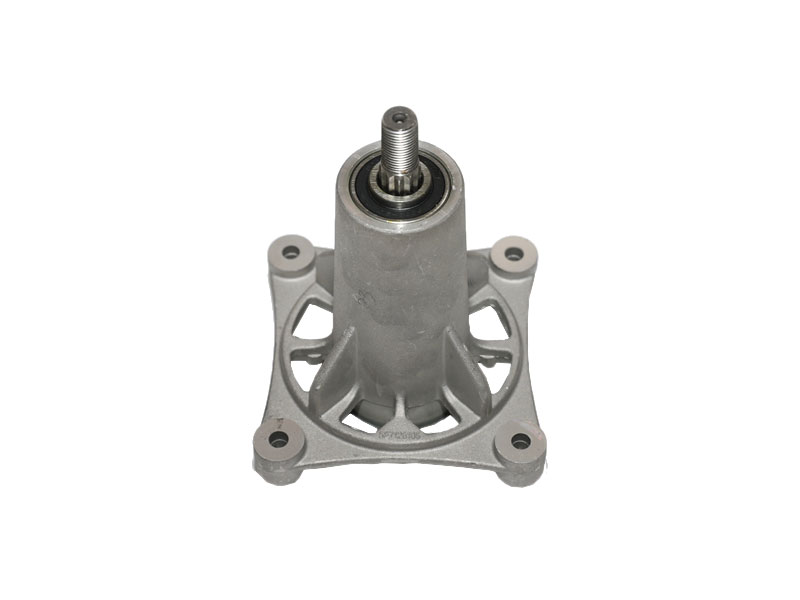
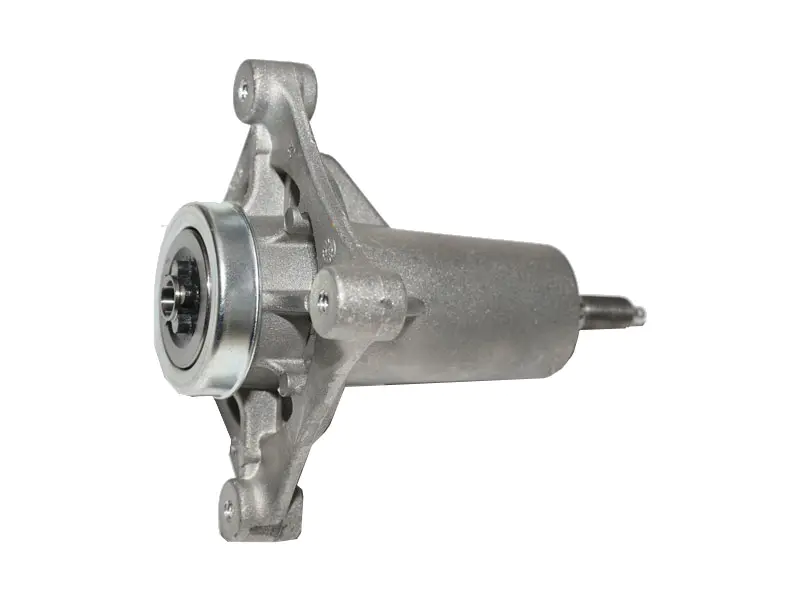
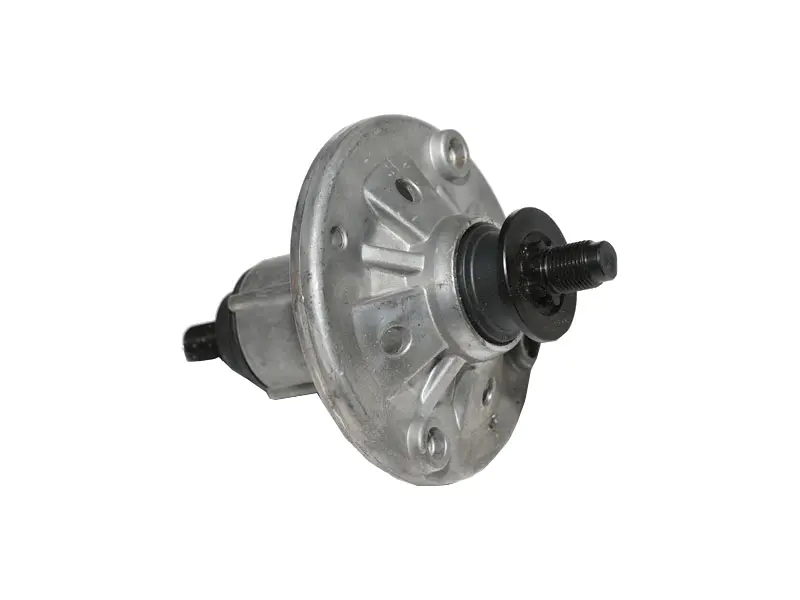
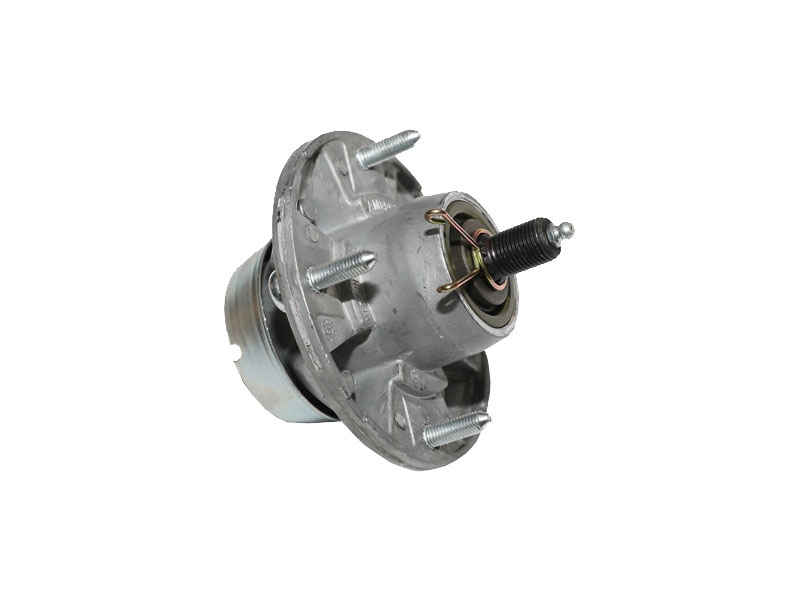
The lawn mower deck spindle is a critical, yet often overlooked, component of any rotary mower. It serves as the central axle and bearing assembly that connects the mower blade to the engine's drive system, enabling the blade to rotate at high speeds to cut grass efficiently. A properly functioning spindle is essential for a clean, even cut and the overall health of your mowing equipment. Failure in this component can lead to excessive vibration, poor cutting performance, uneven grass height, and even damage to the mower deck or engine. This guide will delve deep into the world of mower deck spindles, offering comprehensive information on their function, common issues, and solutions, with a particular focus on the expertise brought by specialized manufacturers in the field. Companies with extensive experience in precision machining and bearing production, such as Hangzhou Shengda Bearing Co., Ltd., which has been a key player in mechanical manufacturing since 1997, understand the rigorous demands placed on these components. Their background in producing non-standard bearings and automotive fittings for major global corporations translates directly into the precision and durability required for high-performance mower spindles that must withstand constant shock, debris, and weather exposure.
Five Key Questions About Mower Deck Spindles Answered
To effectively maintain and troubleshoot your mower, it's vital to understand common points of inquiry. The following long-tail keywords represent specific, common concerns among equipment owners and technicians, highlighting areas where detailed knowledge is valuable but not always readily available. Addressing these questions in depth provides practical value and guidance.
Addressing Common Spindle Concerns
Each of the following sections is dedicated to exploring a critical question related to lawn mower deck spindles. We will cover identification, troubleshooting, maintenance, and replacement strategies, ensuring you have a complete resource for keeping your mower in top condition.
how to tell if lawn mower spindle is bad
Identifying a failing lawn mower spindle before it causes catastrophic damage is a key maintenance skill. A faulty spindle rarely fails silently; it provides several audible, tactile, and visual clues. The most common symptom is excessive vibration, which you can feel through the mower's handles and see in the uneven cutting pattern left on the lawn. This vibration is often caused by worn bearings that have developed play, allowing the blade to wobble on its axis. Another clear sign is unusual noise. Listen for grinding, growling, or rumbling sounds coming from the deck when the blade is engaged. This noise typically indicates that the bearings have lost their lubrication, are contaminated with dirt and grass, or are physically damaged. A spindle that is difficult to turn by hand (with the spark plug disconnected for safety) is another red flag, suggesting seized bearings or a bent spindle shaft. Finally, visible damage such as a visibly bent or cracked pulley, or oil/grease leaking from the spindle housing, are definitive signs of a problem. Ignoring these symptoms can lead to a broken spindle shaft, a thrown blade (extremely dangerous), or damage to the mower deck itself, resulting in far more costly repairs.
- Excessive Vibration: The mower shakes noticeably, and the cut grass appears uneven or scalloped.
- Unusual Noises: Grinding, rumbling, or squealing sounds originating from the deck during operation.
- Physical Resistance: The blade does not spin freely by hand; it feels gritty or binds.
- Visible Clues: Signs of grease leakage, a cracked housing, or a bent pulley.
- Blade Wobble: With the mower safely elevated and off, manually check for lateral movement in the blade.
lawn mower spindle replacement cost
The cost of replacing a lawn mower spindle can vary widely based on several factors, making it a common search query for owners budgeting for repairs. The primary cost determinants are the mower model (residential, commercial, zero-turn), the deck size and number of spindles, and whether you opt for a do-it-yourself (DIY) repair or professional service. For a typical residential riding mower or lawn tractor, a single spindle assembly (including housing, bearings, and shaft) can range in price. Labor costs at a repair shop can add significantly to the total, often matching or exceeding the part cost. For commercial mowers with heavy-duty spindles, the parts alone can be substantially more expensive. Undertaking a DIY replacement can save on labor but requires tools, time, and mechanical confidence. The table below provides a generalized cost comparison to illustrate the potential ranges.
The decision between DIY and professional service often hinges on more than just cost. DIY requires a set of tools including wrenches, sockets, a jack or blocks to lift the mower safely, and possibly a torque wrench. It also demands time for disassembly, part procurement, and reassembly. A professional service guarantees the work, uses proven parts, and saves you time and physical effort. For complex decks or if you lack tools and space, professional service is often the more prudent choice despite the higher upfront cost.
| Cost Factor | DIY Replacement (Part Cost Only) | Professional Service (Parts & Labor) |
|---|---|---|
| Residential Mower (Single Spindle) | Moderate cost for the spindle assembly. | Higher total cost, labor is a major component. |
| Commercial Zero-Turn Mower (Spindle) | Higher part cost due to heavy-duty construction. | Significantly higher total, reflecting part cost and skilled labor. |
| Additional Considerations | Requires personal tools, time, and mechanical skill. Risk of incorrect installation. | Includes warranty on work, convenience, and guaranteed correct installation. Higher immediate outlay. |
how to grease lawn mower spindle bearings
Properly greasing your lawn mower spindle bearings is the single most effective maintenance task to extend their lifespan and prevent premature failure. Spindle bearings operate in a harsh environment filled with dirt, moisture, and grass clippings, which can wash away lubrication and infiltrate the bearing seals. Regular greasing purges these contaminants and maintains a protective film on the bearing balls and races. The process requires a few specific tools: a grease gun, the correct type of grease (typically a lithium-based multi-purpose grease), a clean rag, and possibly a wrench to remove grease fittings (zerks) if they are clogged. First, thoroughly clean the area around the grease fittings on each spindle. Attach the grease gun and pump grease slowly until you see fresh grease begin to purge from the seals around the spindle shaft. This indicates that the old, contaminated grease has been displaced. Be careful not to over-grease, as excessive pressure can damage the seals. For spindles without grease fittings, maintenance is more complex and often requires disassembly to pack the bearings manually—a task better suited for a full rebuild or replacement. Establishing a greasing schedule, such as every 25 operating hours or at the start and midpoint of each mowing season, is highly recommended. This proactive approach is far less costly than spindle replacement and aligns with the precision maintenance philosophy of industrial bearing manufacturers who supply the agricultural sector.
- Gather Tools: Grease gun, correct grease, rag, and safety gloves.
- Clean the Area: Wipe dirt and debris from the grease fittings (zerks).
- Apply Grease: Connect the gun and pump slowly until clean grease emerges from the seal.
- Avoid Over-greasing: Stop once grease purges; excess pressure can harm seals.
- Regular Schedule: Grease every 25 hours or at key seasonal points for optimal protection.
what causes a lawn mower spindle to break
A broken lawn mower spindle is a serious failure that usually results from a combination of factors rather than a single event. Understanding these causes can help prevent future occurrences. The most common cause is impact damage from striking a solid object, such as a rock, tree root, curb, or concrete edge. This sudden impact can bend the spindle shaft, crack the housing, or instantly destroy the bearings. However, often the breakage is the culmination of gradual wear and neglect. Chronic lack of lubrication leads to bearing overheating and seizure, which places enormous stress on the spindle shaft, potentially causing it to snap under load. Improper belt tension is another stealthy culprit; an overtightened belt puts constant excessive radial load on the bearings, accelerating wear, while a loose belt can cause slippage and shock loads. Using the wrong or a damaged blade (unbalanced or bent) creates severe vibration that fatigues the spindle metal over time, leading to stress fractures. Finally, corrosion from moisture and chemical fertilizers can weaken the spindle housing, especially on older mowers, making it susceptible to cracking. Prevention revolves around regular maintenance: keeping blades sharp and balanced, maintaining correct belt tension, adhering to a strict greasing schedule, and operating the mower carefully to avoid impacts.
- Impact Trauma: Hitting solid objects like rocks, stumps, or pavement.
- Lubrication Failure: Bearings seizing due to dried-out or contaminated grease.
- Belt Tension Issues: Excessive load from overtightening or shock from a loose belt.
- Blade Problems: Unbalanced, bent, or incorrect blades causing destructive vibration.
- Corrosion and Fatigue: Long-term exposure to moisture and cyclical stress weakening the metal.
best lawn mower spindle material
Selecting the best material for a lawn mower spindle is a balance between strength, durability, corrosion resistance, and cost. The spindle shaft and housing must withstand torsion, bending forces, and environmental exposure. The most common materials used are various grades of steel, with specific treatments to enhance their properties. Standard carbon steel is a cost-effective choice for many residential mowers but is more susceptible to rust and may not have the ultimate tensile strength for heavy-duty use. A significant step up is the use of hardened steel or alloy steel (such as 4140 or 4340), which is heat-treated to provide a much harder surface and a tougher core, offering superior resistance to bending and wear. This is often the preferred material for commercial-grade spindles. For corrosion resistance, some manufacturers use stainless steel for the spindle shaft or housing. While excellent for resisting rust, not all stainless grades have the same hardness as heat-treated alloys, so the application is key. Another advanced option is the use of ductile iron or cast steel for the housing, which provides good strength and vibration damping. The choice of material is a direct reflection of the intended use—a light-duty residential mower versus a commercial unit used daily. Manufacturers specializing in precision bearings and components for demanding industries bring valuable metallurgical knowledge to this field. For instance, a company like Hangzhou Shengda Bearing Co., Ltd., with its experience in producing non-standard bearings and automotive chassis fittings for global manufacturers, understands the specifications required for high-stress applications, ensuring that the spindles they are involved with are made from materials fit for purpose.
| Material Type | Key Properties | Typical Application |
|---|---|---|
| Carbon Steel | Good strength, cost-effective, prone to corrosion if not coated. | Entry-level and many residential mower spindles. |
| Hardened/Alloy Steel (e.g., 4140) | High strength, excellent wear resistance, good toughness after heat treatment. | Commercial mowers, heavy-duty residential units, high-stress applications. |
| Stainless Steel | Excellent corrosion resistance, good strength (varies by grade), higher cost. | Spindle shafts in corrosive environments, premium mowers. |
| Ductile Iron/Cast Steel | Good strength and durability, effective at damping vibration. | Spindle housings and pulley mounts. |

Ensuring Longevity and Performance
The lawn mower deck spindle is a masterpiece of simple yet rugged engineering, designed to translate power into a clean cut. Its health is paramount to your mower's operation. By learning how to tell if lawn mower spindle is bad, you can act before minor wear becomes a major breakdown. Understanding the factors behind what causes a lawn mower spindle to break empowers you to adopt preventive operating habits. Regular maintenance, specifically knowing how to grease lawn mower spindle bearings, is the most cost-effective action you can take to prolong spindle life. When replacement becomes necessary, being informed about the lawn mower spindle replacement cost and the options available allows for smart budgeting decisions. Finally, appreciating the engineering behind the component, including the best lawn mower spindle material for your needs, highlights the importance of quality parts, whether you are a homeowner or a professional landscaper. The reliability of these critical components is backed by decades of industrial manufacturing expertise from companies dedicated to precision, such as Hangzhou Shengda Bearing Co., Ltd., whose legacy in producing durable, high-tolerance bearings and mechanical parts for demanding global clients underscores the technology and quality that can be built into every mower deck spindle.