English
 中文简体
中文简体 Español
 svenska



A pristine lawn is the result of many factors, but none is more mechanically critical than the health of your cutting deck. At the heart of that deck are the Lawn Mower Spindles—precision components that transfer power from the drive belt to the cutting blades. As a seasoned SEO content creator and maintenance professional, I understand that issues with these parts are a common source of frustration and downtime for both homeowners and commercial operators. This comprehensive guide is designed to transform you from a frustrated owner into an informed expert, covering everything from initial symptom diagnosis to in-depth maintenance practices and material comparisons. By focusing on longevity and peak performance, we will ensure your mower deck operates smoothly, delivering the clean, even cut your lawn deserves.
Content
- 1 Understanding Your Mower's Engine Room: What Are Lawn Mower Spindles?
- 2 The Early Warning Signs: How to Tell if Lawn Mower Spindle is Bad
- 3 Material Matters: Choosing the Best Cast Iron vs Aluminum Lawn Mower Spindles
- 4 Proactive Maintenance: Greasing Lawn Mower Spindles Frequency and Best Practices
- 5 Repair Economics: Exploring Lawn Mower Spindle Bearing Replacement Cost
- 6
- 7 DIY Fix: A Step by Step Guide to Replace Lawn Mower Spindle Assembly
- 8 FAQ (Frequently Asked Questions)
Understanding Your Mower's Engine Room: What Are Lawn Mower Spindles?
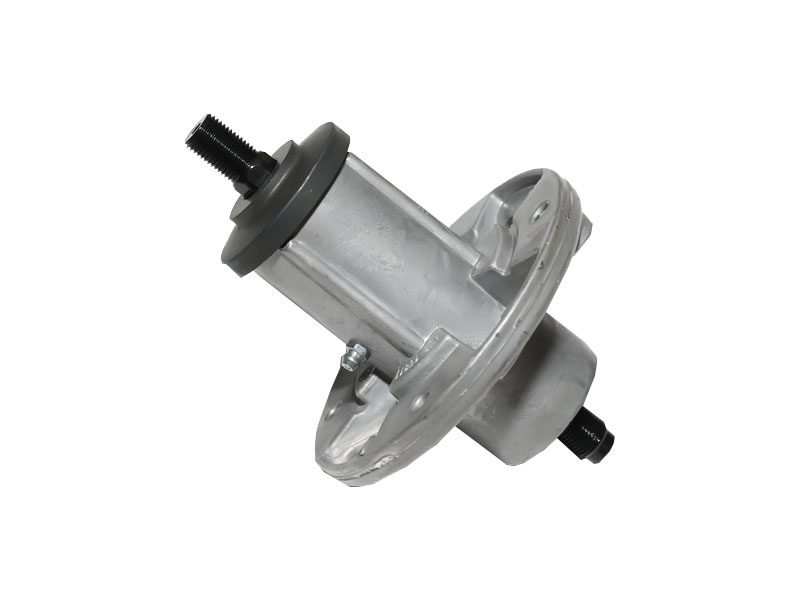
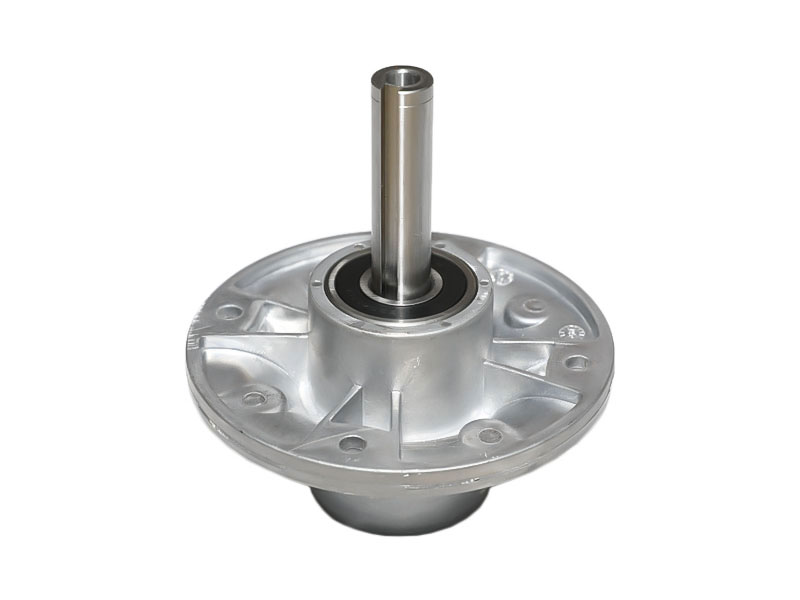
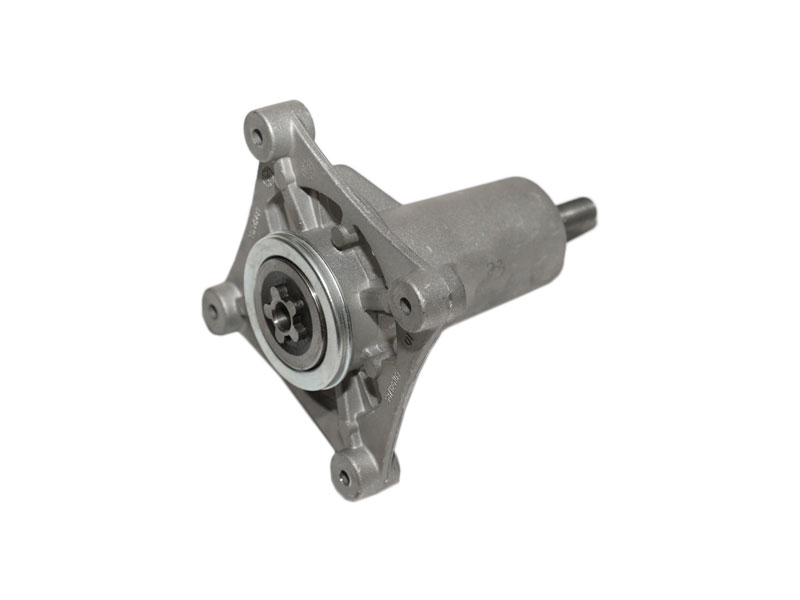
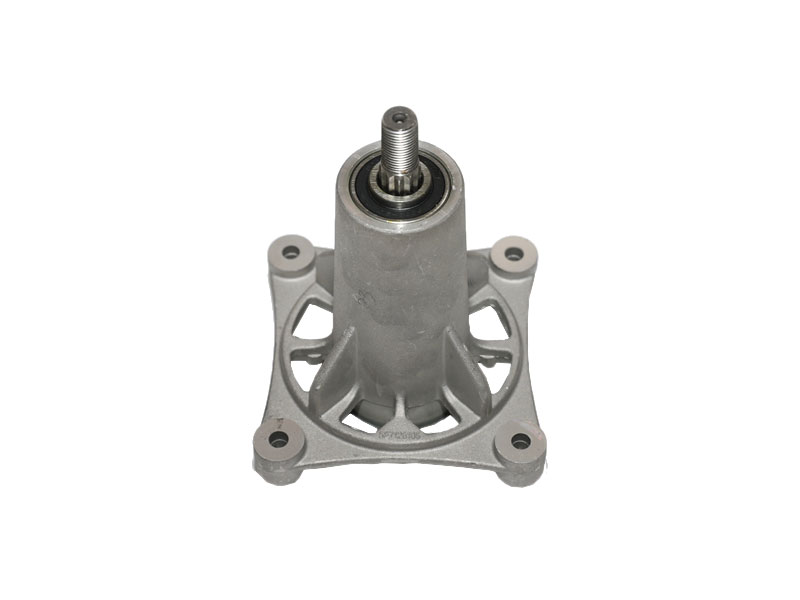
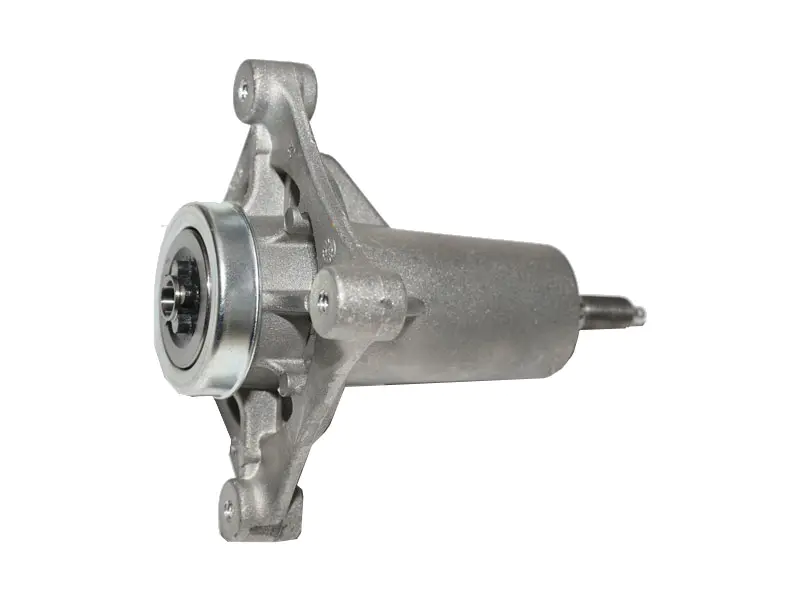
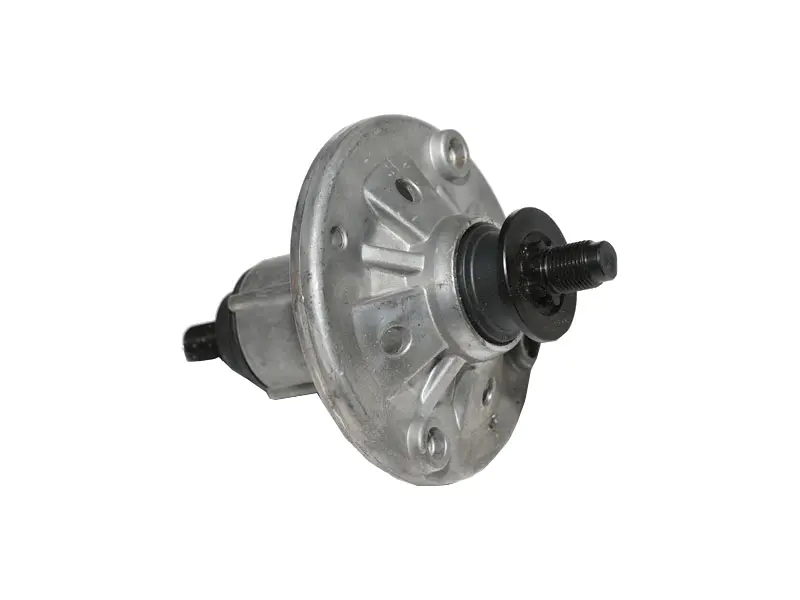
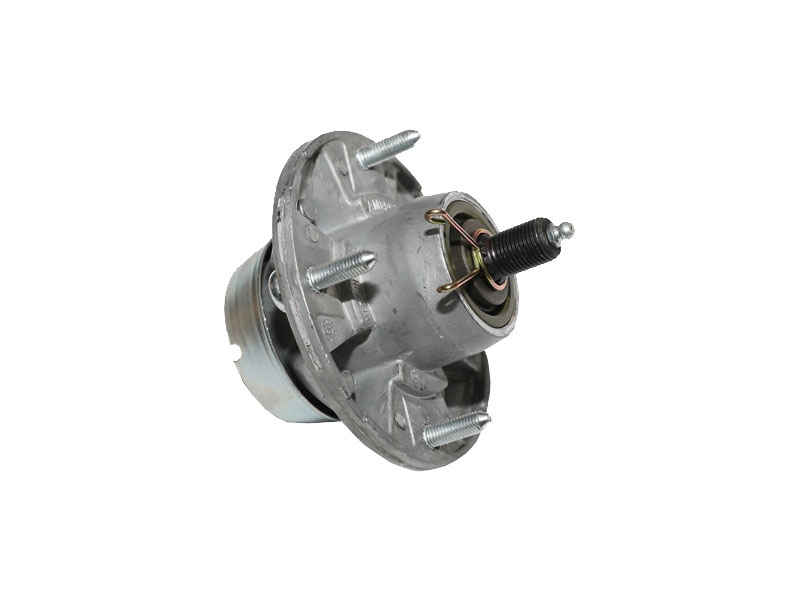
The spindle, often referred to as a mandrel, is more than just a piece of metal—it is a sophisticated assembly crucial for blade rotation and the structural integrity of the entire cutting system. Its primary function is to serve as the rotational axis for the cutting blade and the pulley that drives it. This component must endure immense rotational forces, lateral impact, and continuous exposure to moisture and debris. A high-quality spindle assembly is engineered with robust bearings, a durable shaft, and a housing designed to withstand the harsh operating environment beneath the mower deck. Understanding its composition is the first step toward effective maintenance and maximizing the life of your equipment. A failing spindle can lead to costly damage to the deck itself or, worse, an uneven cut that ruins the aesthetic of your turf. The expertise lies not just in recognizing a failure, but in appreciating the preventative steps that preserve this component's lifespan.
- The Spindle's Dual Function: It acts as a mounting point for the cutting blade below the deck and the drive pulley above it, creating a single, integrated mechanical system.
- Integral Bearings: The housing contains one or two sets of precision bearings (usually sealed ball bearings) that allow the spindle shaft to rotate with minimal friction and heat generation. These are the most common points of failure due to dirt ingress or lack of lubrication.
- Spindle Shaft: The central axle that transmits power and holds the blade. Its straightness and balance are paramount for vibration-free operation.
- Pulley Compatibility: The top of the spindle shaft is designed to mate perfectly with the drive pulley, ensuring correct belt tension and power transfer from the engine or transmission.
The Critical Role of a Spindle Assembly
The spindle is the mechanical interface between power and purpose. If the shaft is bent, the blade will wobble. If the bearings fail, friction will increase, leading to noise, heat, and eventual seizure. For high-speed cutting, precision balance is non-negotiable, highlighting why a comprehensive understanding of the spindle's design is vital for anyone engaging in serious lawn care or equipment repair. The assembly must handle the rotational speed, which can exceed 3,000 RPM, while simultaneously absorbing the impact shock when a blade encounters an unseen object, such as a root or a rock. This demanding environment means that even small imperfections in the spindle's components can quickly escalate into significant operational issues. Therefore, the spindle's role is not just to rotate the blade, but to do so smoothly, quietly, and reliably under extreme stress.
Anatomy of a Mower Spindle
While models vary, the fundamental components of a Lawn Mower Spindles assembly remain consistent. Knowing each part aids in specific repairs. For instance, sometimes only the bearings need replacement, not the entire housing. Modern spindles often feature a sophisticated design to minimize maintenance and maximize lifespan, sometimes incorporating non-serviceable sealed bearings for an extended, worry-free lifespan, though this impacts the overall lawn mower spindle bearing replacement cost when a failure does occur. Recognizing the difference between a serviceable (greaseable) and a non-serviceable (sealed) unit is the first critical decision in any repair scenario. This knowledge saves time and prevents unnecessary disassembly of sealed units. Furthermore, the material and design of the housing (aluminum vs. cast iron) directly impact heat dissipation and structural strength, affecting the component's longevity.
| Component | Function | Common Failure |
| Spindle Housing (Mandrel Housing) | Provides structural support and holds the bearings. | Cracking (due to impact) or stripping of mounting threads. |
| Bearings (Ball Bearings) | Allows for friction-free rotation of the shaft. | Noise, excessive heat, and seizing due to contamination or lack of grease. |
| Spindle Shaft | Connects the blade and pulley; transmits power. | Bending (due to impact) or spline/keyway wear. |
| Grease Fitting (Zerk) | Point for adding fresh lubrication (on serviceable units). | Clogging or detachment, preventing proper greasing lawn mower spindles frequency. |
The Early Warning Signs: How to Tell if Lawn Mower Spindle is Bad
Diagnosing a failing spindle early is crucial for preventing more expensive damage, such as a damaged deck or pulley system. A skilled operator will learn to recognize subtle changes in the mower's performance and sound. The mechanical stress placed on the Lawn Mower Spindles is immense, making wear and tear inevitable. The bearings, in particular, are susceptible to failure when dirt and moisture penetrate the seals, causing grinding or squealing noises. Ignoring these symptoms can lead to the bearings seizing, which will destroy the spindle shaft and potentially shear off mounting bolts. A thorough, hands-on inspection is the most reliable method for confirming suspicion, often involving tilting the deck and manually rotating the blade or pulley. By addressing the issue at the first sign of distress, you can often mitigate the repair to simply replacing the bearings, which significantly reduces the overall lawn mower spindle bearing replacement cost compared to a full assembly swap. Knowing how to tell if lawn mower spindle is bad is thus a financial necessity as much as a mechanical one.
- Audible Clues: Listen for a high-pitched squealing (early bearing wear/lack of grease), a deep grinding noise (severe bearing damage), or a persistent rattling (loose components).
- Visual Checks: Look for excessive grease leakage or a fine, rusty dust accumulating around the spindle housing, which indicates a bearing seal failure.
- Thermal Signature: After a brief period of operation, carefully and safely check the temperature of the spindle housing. Excessive heat, beyond what is normal, is a definitive sign of internal bearing friction.
- Blade Inspection: A poorly functioning spindle will often cause an uneven or "wavy" cut pattern on the grass due to inconsistent blade speed or excessive wobble.
Diagnostic Checklist: Common Spindle Failure Symptoms
The most immediate and clear indicator is often excessive noise. However, physical inspection is necessary to pinpoint the exact failure point. With the engine off and the spark plug disconnected for safety, manually check the blade for any lateral or vertical movement (play). Any noticeable movement confirms bearing wear or a loose mounting, which are key indicators of how to tell if lawn mower spindle is bad. This "shake test" is the industry standard for quick field diagnosis. Furthermore, try to spin the blade by hand; a healthy spindle will spin freely for several rotations, while a failing one will feel rough, gritty, or may stop almost immediately. Documenting the specific symptom—be it noise, heat, or vibration—will be essential when sourcing the correct replacement parts. The level of "wobble" is a direct correlation to the severity of the bearing failure. The more the blade moves off its true axis, the higher the risk of damaging the deck's pulley system or the belt itself. Addressing these issues before the component completely fails is the most economical approach to maintenance.
Blade Wobble and Excessive Vibration
A bent spindle shaft or failed bearings will inevitably lead to an unacceptable level of blade wobble and excessive vibration throughout the entire mower deck. This vibration not only makes the mower uncomfortable to operate but rapidly accelerates the wear on every other component, including the drive belt, other spindles, and engine mounts. A simple test involves observing the blade tip while the engine is running (from a safe distance, of course). If the blade tip does not trace a perfectly flat, uniform plane, the spindle assembly is compromised. In zero-turn mowers, this is especially critical because the interconnected nature of the cutting deck means a failure in one Lawn Mower Spindles assembly can quickly cascade and affect the others. Severe vibration is not just a symptom; it's a destructive force that compromises the integrity of the mower deck itself, potentially leading to cracks around the mounting points. Addressing the root cause—the failing spindle—immediately upon noticing vibration is non-negotiable for machine preservation.
| Symptom | Primary Cause | Severity |
| Grinding/Squealing Noise | Worn or contaminated bearings. | High (Immediate repair needed). |
| Excessive Blade Wobble (Lateral Play) | Severely failed bearings or bent spindle shaft. | Critical (Can damage deck structure). |
| Mower Stops Abruptly When Blades Engage | Spindle seized completely (worst-case scenario). | Extreme (Must be replaced). |
| Housing is Hot to the Touch | Extreme friction from failing/unlubricated bearings. | High (Bearing failure imminent). |
Material Matters: Choosing the Best Cast Iron vs Aluminum Lawn Mower Spindles
When it comes time for replacement, the material of the spindle housing is a key factor in determining durability, heat management, and overall longevity. The choice between cast iron and aluminum is not merely about cost; it is a calculation of intended use, operating environment, and required resilience. Cast iron spindles are significantly heavier and often feature a larger, more robust housing. Their primary advantage is superior strength and resistance to cracking upon impact, making them the preferred choice for commercial-grade equipment or mowers frequently used on rough terrain. They also dissipate heat effectively due to their mass, protecting the bearings during long, continuous use. Aluminum spindles, while lighter and cheaper to manufacture, are generally found on residential or light-duty mowers. While they also dissipate heat well, they are more susceptible to cracking when subjected to a heavy impact, which is a key consideration when selecting the best cast iron vs aluminum lawn mower spindles. A critical differentiator is the trade-off between weight (aluminum is easier on the deck structure) and ultimate resilience (cast iron withstands more punishment). The environment of use is the deciding factor; a commercial operator demanding maximum uptime will almost always prefer the longevity of cast iron.
- Cast Iron Advantages: Exceptional structural rigidity, high impact resistance, and inherent vibration dampening due to material density. This makes them ideal for demanding, professional applications.
- Aluminum Advantages: Lighter weight reduces overall deck mass, which is beneficial for smaller engines and improves maneuverability. They also offer excellent heat transfer properties.
- Heat Dissipation: Both materials manage heat, but cast iron's density means it absorbs and dissipates heat from the bearings at a slower, more stable rate, helping to maintain consistent bearing temperature.
- Cost and Availability: Aluminum assemblies are typically more cost-effective upfront, which contributes to their popularity in the residential market.
Performance Comparison: Durability and Heat Dissipation
The durability test between the two materials is less about normal wear and more about impact tolerance. When a blade strikes a solid object, the sudden, massive shock must be absorbed by the spindle shaft and the housing. Cast iron, with its higher tensile strength and ability to "give" less under stress, is far less likely to fracture than aluminum in such an event. Although aluminum is often alloyed to increase its strength, a severe lateral impact can still result in a catastrophic crack, necessitating a complete assembly replacement. For the professional seeking the ultimate in resilience, understanding the impact differential is key to choosing the best cast iron vs aluminum lawn mower spindles. In terms of heat, while both are metals, cast iron's sheer mass and density allow it to absorb frictional heat from the bearings and dissipate it over a larger surface area, which can be a marginal but crucial benefit in extremely hot climates or during extended, continuous mowing sessions where bearing temperature management is critical for longevity. This superior resistance to impact is often worth the extra expense and weight for heavy-duty users who cannot afford equipment downtime. Therefore, the choice often reflects a decision between initial cost savings and long-term durability under duress.
| Feature | Cast Iron Spindles | Aluminum Spindles |
| Impact Resistance | Excellent (Highly crack-resistant) | Good (More susceptible to cracking on severe impact) |
| Weight | Heavy | Lightweight |
| Heat Dissipation | Stable and consistent due to mass | Very good (Excellent thermal conductivity) |
| Ideal Application | Commercial, Zero-Turn, Rough Terrain | Residential, Standard Lawn Tractors |
Proactive Maintenance: Greasing Lawn Mower Spindles Frequency and Best Practices
Proper lubrication is the single most effective action you can take to dramatically extend the life of your serviceable Lawn Mower Spindles. Spindle bearings operate under high speed and extreme loads, and without adequate, clean grease, their lifespan is severely limited. For spindles equipped with zerk fittings, the practice of greasing is not just adding lubricant, but purging the old, contaminated grease that has accumulated dirt, water, and metal particles. However, over-greasing is just as detrimental as under-greasing, as it can blow out the bearing seals, leading to even faster contamination. The key is finding the right balance and adhering to a consistent schedule. The recommended greasing lawn mower spindles frequency is usually based on operational hours, but environmental factors, like mowing in dusty or wet conditions, necessitate more frequent service. An informed maintenance schedule is the difference between a spindle lasting one season and lasting five, significantly offsetting the long-term lawn mower spindle bearing replacement cost. A maintenance log documenting the date and time of each greasing session is the mark of a truly professional and dedicated lawn care operation, ensuring that this critical step is never overlooked.
- Follow the Manual: Always consult your mower's operator manual for the manufacturer's specified service intervals, often measured in engine hours (e.g., every 25 hours).
- The "One Pump" Rule: For serviceable spindles, a general rule of thumb is to apply only one to two pumps of grease from a standard gun until a slight resistance is felt, avoiding excessive force which can rupture seals.
- Mow Before Greasing: The best practice is to slightly warm up the bearings by running the mower for a few minutes; this allows the old grease to soften and purge more easily.
- Seasonal Check: At a minimum, service the spindles at the beginning of the mowing season and again before long-term winter storage to ensure fresh, protective grease is in place.
Selecting the Right Spindle Grease
The type of grease used is as important as the frequency of application. Standard chassis grease is often insufficient for the high-speed demands of mower spindles. You should look for a high-quality, lithium-based or synthetic grease with an NLGI (National Lubricating Grease Institute) Grade of No. 2, specifically rated for high-speed bearings and high-temperature operation. The grease must also have excellent water resistance to protect against rust and wash-out. Using a grease gun with a flexible hose and coupler makes accessing the zerk fittings easier and ensures a proper seal for efficient application. Selecting a grease that is incompatible with the existing lubricant can lead to chemical breakdown and premature bearing failure. Therefore, if you are unsure of the existing type, it is generally recommended to purge the old lubricant entirely or consult the manufacturer's specifications. This attention to detail in lubricant selection directly impacts bearing temperature and friction, which are the two largest determinants of a spindle's lifespan and the necessary greasing lawn mower spindles frequency.
| Grease Type | Application Suitability | Key Characteristic |
| Lithium Complex No. 2 | Excellent for general high-speed bearings. | High-temperature and water resistance. |
| Synthetic Multi-Purpose | Premium choice for extreme temperatures/loads. | Exceptional thermal stability and extended life. |
| Calcium Sulfonate | Superior water wash-out protection. | Best for very wet or damp mowing conditions. |
Repair Economics: Exploring Lawn Mower Spindle Bearing Replacement Cost
The expense associated with a spindle repair can vary wildly depending on the extent of the damage, the choice of parts, and whether you opt for a DIY or professional service. Understanding the lawn mower spindle bearing replacement cost involves considering three scenarios: replacing only the bearings, replacing the entire spindle assembly, or hiring a mechanic. Replacing just the bearings is the most economical path, assuming the spindle shaft and housing are undamaged. This requires careful disassembly and reassembly, typically involving a bearing press or a vice. However, if the shaft is bent or the housing is cracked (often indicated by a severe impact), a complete spindle assembly replacement is required, which is significantly more expensive but less labor-intensive. Professional labor costs are the highest variable, as a typical spindle replacement can take a mechanic one to two hours, in addition to the parts cost. Savvy owners calculate the time, tool investment, and labor savings to decide if a DIY approach to fixing their Lawn Mower Spindles is financially prudent. This cost analysis is essential for maintaining equipment on a tight budget, as multiple spindle failures can quickly become a financially challenging event for small operators.
- Parts Cost Variability: Genuine (OEM) parts are the most expensive but guarantee perfect fit and quality; aftermarket parts are cheaper but their quality can be inconsistent. Bearings alone are the cheapest option.
- Tool Investment: DIY bearing replacement requires specialized tools like a bearing puller and a press, which add to the initial cost but can be amortized over future repairs.
- Time is Money: A professional mechanic charges for labor at an hourly rate, which can quickly exceed the cost of the replacement part itself.
- Associated Costs: Don't forget to factor in new blade bolts, specialized grease, and potentially a new deck belt if the old one was damaged by the failed spindle.
DIY vs. Professional Repair: A Cost Breakdown
For those comfortable with intermediate mechanical work, a DIY replacement of the entire spindle assembly is often the best balance of cost and time. The major saving is on labor, and the entire job can often be completed in an afternoon. Disassembling and pressing new bearings into a housing is a more complex task that may require special tools and presents a higher risk of error, which must be weighed against the potential savings. For commercial operators, the cost of downtime is often more significant than the repair cost, making professional, rapid service the preferred option. The comparative value of a DIY repair hinges on the individual's existing toolset and mechanical aptitude. If you are comfortable taking apart and reassembling complex mechanisms, the savings on lawn mower spindle bearing replacement cost are substantial. Conversely, for a novice, attempting a bearing-only replacement could result in damage to the housing or improper installation, leading to premature failure and a repeat repair. Therefore, the decision is a strategic one, balancing risk, cost, and convenience for optimal long-term financial health.
| Repair Option | Estimated Parts Cost (Per Spindle) | Estimated Labor Cost | Complexity |
| Replace Bearings Only (DIY) | Low (Bearings only) | $0 (Requires time and tools) | High (Needs press/puller) |
| Replace Assembly (DIY) | Medium (Full assembly) | $0 (Requires basic tools) | Medium (Disassembly/Reassembly) |
| Professional Replacement | Medium to High (Depends on part) | High (Hourly shop rate) | Low (For the owner) |

DIY Fix: A Step by Step Guide to Replace Lawn Mower Spindle Assembly
Replacing a complete Lawn Mower Spindles assembly is one of the most common and manageable DIY repairs for riding mower owners, provided you adhere strictly to safety procedures. The key to a successful replacement is thorough preparation and attention to detail during the reassembly phase. The procedure requires that the entire mower deck be removed from the tractor or zero-turn machine, a step that, while tedious, provides the best access and ensures the belt system is reinstalled correctly. The correct use of penetrating oil on stubborn mounting bolts is crucial to prevent shearing them off, which would escalate the repair complexity. A successful execution of the step by step guide to replace lawn mower spindle not only saves money but also provides a deep satisfaction of self-reliance. This task is a fundamental requirement for anyone committed to long-term equipment ownership and maintenance. Always ensure the replacement part matches the exact specifications of the original component, especially concerning shaft length and housing mounting patterns, to avoid problems with belt alignment and blade engagement.
- Safety First: Disconnect the spark plug wire (or battery terminal for electric mowers) to ensure the engine cannot accidentally start during the procedure.
- Remove the Deck: Disengage the deck from all hangers, lift links, and the PTO (Power Take-Off) belt, then slide it out from under the mower chassis.
- Clear the Deck: Turn the deck over to access the blades. Use a block of wood or a blade tool to hold the blade while loosening the blade bolt, or use an impact wrench if available.
- Remove the Pulley: Remove the retaining nut from the top of the spindle shaft to free the pulley. Note the orientation of any washers or spacers.
- Remove the Old Spindle: Remove the mounting bolts holding the spindle housing to the deck. Use a wire brush and penetrating oil on stubborn bolts.
Essential Tools and Safety Precautions
Before beginning the process, gather all necessary tools: socket set, torque wrench, impact wrench (optional but recommended), penetrating oil, wire brush, a block of wood, and the new Lawn Mower Spindles assembly. Safety is paramount: always wear gloves and safety glasses. Ensuring the mower is completely immobilized and disconnected from its power source eliminates the risk of accidental blade engagement or movement. When performing the step by step guide to replace lawn mower spindle, remember that the final tightening of the mounting bolts and the blade bolt must be done using a torque wrench to the manufacturer's specified setting. This critical step ensures the bolts do not loosen during operation and prevents damage to the deck and the new spindle housing. Under-torquing leads to premature failure; over-torquing can stretch and shear the bolts. This disciplined approach to tool usage is what separates a quick fix from a professional repair that lasts for years.
Detailed Replacement Procedure
After removing the old assembly, clean the mounting area on the deck thoroughly, removing all old debris and rust to ensure the new spindle sits perfectly flush. If a spacer plate or washers were used with the old assembly, ensure they are reinstalled in the exact same order. Bolt the new spindle assembly onto the deck, making sure to hand-tighten the bolts first before using the torque wrench. Reinstall the pulley, ensuring the belt and all spacers are correctly positioned. Finally, reattach the blade, securing the blade bolt with the torque wrench. It is critical to ensure the blade is installed with the correct orientation (cutting edge facing the grass). A common mistake is overtightening the pulley nut, which can bind the spindle shaft. The final step is to check the belt tension and alignment once the deck is reinstalled on the mower. Correct reassembly is the foundation of a long-lasting repair, and strictly following this step by step guide to replace lawn mower spindle will deliver professional-grade results.
| Procedure Step | Action Detail | Critical Check |
| Deck Removal | Disconnect all linkages and the PTO belt. | Spark plug wire disconnected. |
| Old Spindle Removal | Remove blade, pulley, and mounting bolts. | Inspect deck for cracks around mounting holes. |
| New Spindle Installation | Bolt the new spindle assembly to the deck. | Torque mounting bolts to specification. |
| Final Assembly | Reinstall the pulley and the cutting blade. | Torque blade bolt and check blade orientation. |
FAQ (Frequently Asked Questions)
Why does my new spindle assembly wobble?
A brand new Lawn Mower Spindles assembly should not exhibit noticeable wobble. If you detect excessive lateral or vertical play immediately after installation, the cause is typically one of three issues. First, the most common is improper mounting: the spindle housing mounting bolts may be under-torqued, allowing the entire assembly to shift on the deck. Consult your manual for the exact torque specification and use a calibrated torque wrench. Second, there may be debris or an old, seized spacer plate trapped between the spindle housing and the deck surface, preventing it from sitting flush. This causes the assembly to sit at an angle and wobble when rotating. Finally, a less common but possible scenario is a manufacturing defect in the spindle shaft itself, such as a slight bend or out-of-spec bearings. If the mounting is verified as correct and the deck surface is clean, you should initiate a return, as this indicates an inherent flaw that will quickly lead to premature failure, immediately increasing your future lawn mower spindle bearing replacement cost.
Can I replace just the spindle bearings instead of the entire assembly?
Yes, replacing just the bearings is an excellent strategy for reducing lawn mower spindle bearing replacement cost, provided the spindle housing and shaft are confirmed to be straight and undamaged. This approach is most feasible for serviceable, cast iron Lawn Mower Spindles that are designed to be rebuilt. The procedure requires specific mechanical tools, such as a bearing press or a vice, and correctly sized bearing drivers to remove the old bearings and press the new ones into the housing without damage. Attempting this without the right tools can damage the new bearings or the housing, necessitating the purchase of a full assembly anyway. If your spindle is a non-serviceable, sealed aluminum unit, the effort and risk involved in pressing out the sealed bearings often outweigh the cost savings, making a full assembly replacement the more practical and reliable option to ensure the longevity of your repair and adherence to the necessary greasing lawn mower spindles frequency.
Do all lawn mower spindles require regular greasing?
No, not all Lawn Mower Spindles require regular greasing, and attempting to grease a sealed unit can actually be detrimental. Spindle assemblies fall into two main categories: Serviceable and Non-Serviceable (Sealed). Serviceable spindles are equipped with a zerk fitting and use internal bearings designed to be periodically replenished with grease to purge contaminants. These require a consistent greasing lawn mower spindles frequency, often every 25 hours, to maintain their performance and prevent premature wear. Non-Serviceable spindles are factory-assembled with permanently sealed bearings that are packed with long-life grease. These units are designed for their grease to last the lifetime of the component. Attempting to force grease into a sealed unit will rupture the seals, forcing the grease out and allowing water and di