English
 中文简体
中文简体 Español
 svenska



For a smooth, straight, and effortless mowing experience, a properly functioning steering system is paramount. At the heart of this system are various critical lawn mower steering parts. This comprehensive guide delves into the mechanics of these components, helping you diagnose problems, understand their interaction with the mower's drivetrain, and implement effective maintenance or repair solutions. Whether you're a homeowner or a professional in the agricultural machinery sector, this knowledge is invaluable for ensuring peak equipment performance and longevity.
Content
- 1 Understanding the Core Steering System Components
- 2 Common Symptoms and How to Diagnose Steering Problems
- 3 Repair vs. Replacement: Making the Right Choice
- 4 Compatibility and Sourcing the Correct Parts
- 5 Step-by-Step Installation and Maintenance Guide
- 6
- 7 Conclusion: The Foundation of Safe and Efficient Mowing
- 8 Frequently Asked Questions (FAQ)
- 8.1 1. How often should I inspect my lawn mower's steering components?
- 8.2 2. Can I replace just one tie rod end, or should I do both?
- 8.3 3. What are the dangers of driving with worn kingpins or spindle bushings?
- 8.4 4. Is it difficult to replace a steering spindle on a riding mower?
- 8.5 5. Why is my steering still loose after replacing the tie rods?
- 9 References
Understanding the Core Steering System Components
The steering mechanism on a lawn mower, particularly riding mowers and lawn tractors, is a synergistic assembly. Its primary function is to translate the operator's input at the steering wheel into precise directional changes of the front wheels.
Key Steering Parts and Their Roles
The Steering Wheel and Column
- The primary user interface for directional control.
- Transfers rotational force from the operator's hands down the steering column.
- Connects to the steering gear or linkage system.
The Tie Rods and Drag Links
- Act as the connecting arms between the steering mechanism and the wheel spindles.
- Directly push or pull the wheels to turn them left or right.
- Equipped with ball joints at each end to allow for pivotal movement and suspension travel.
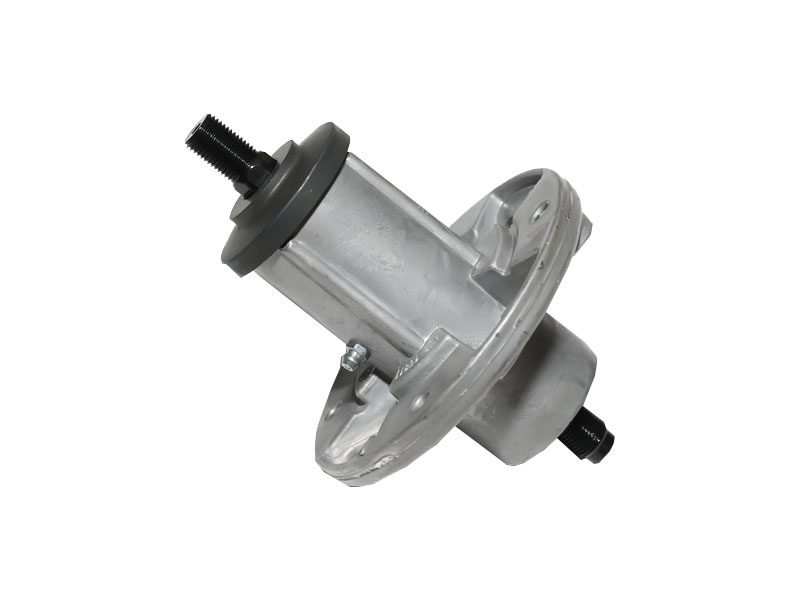
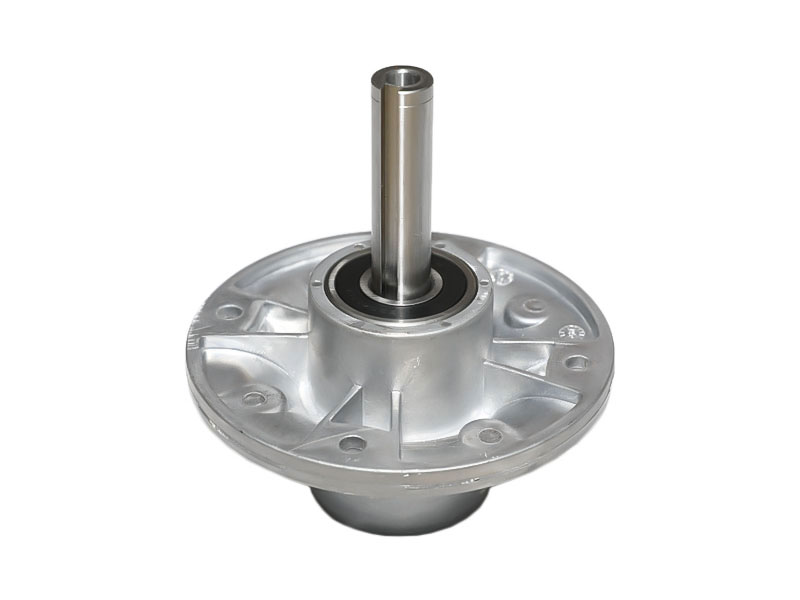
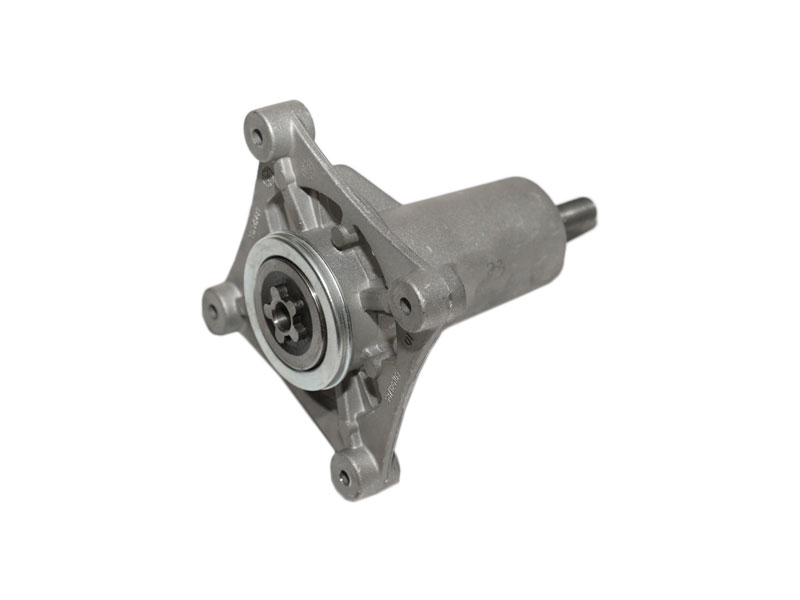
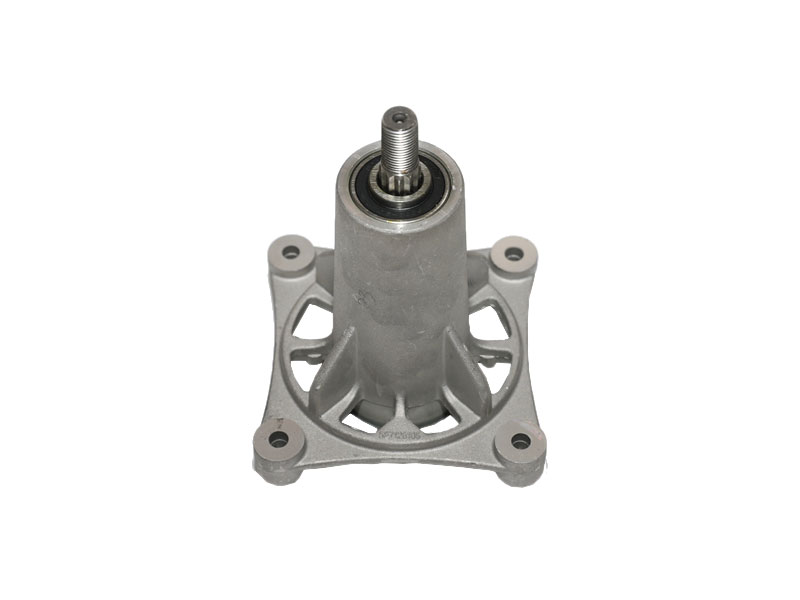
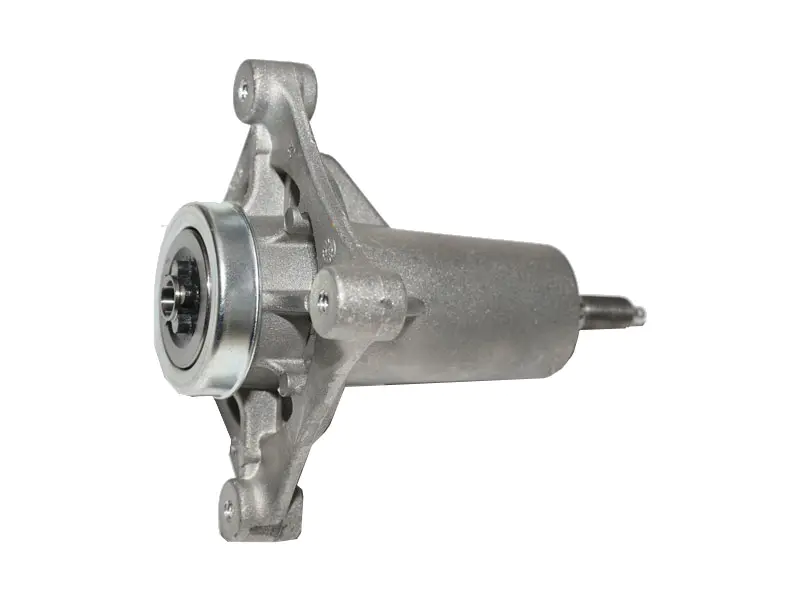
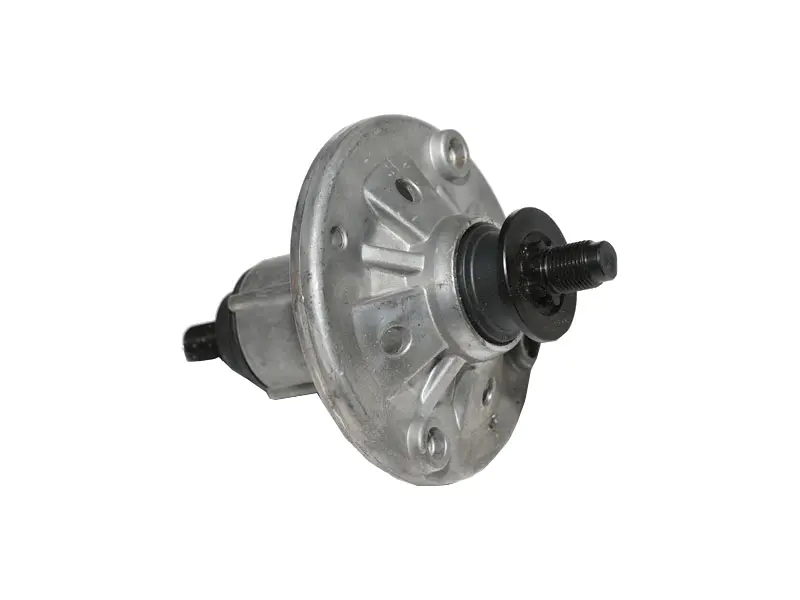
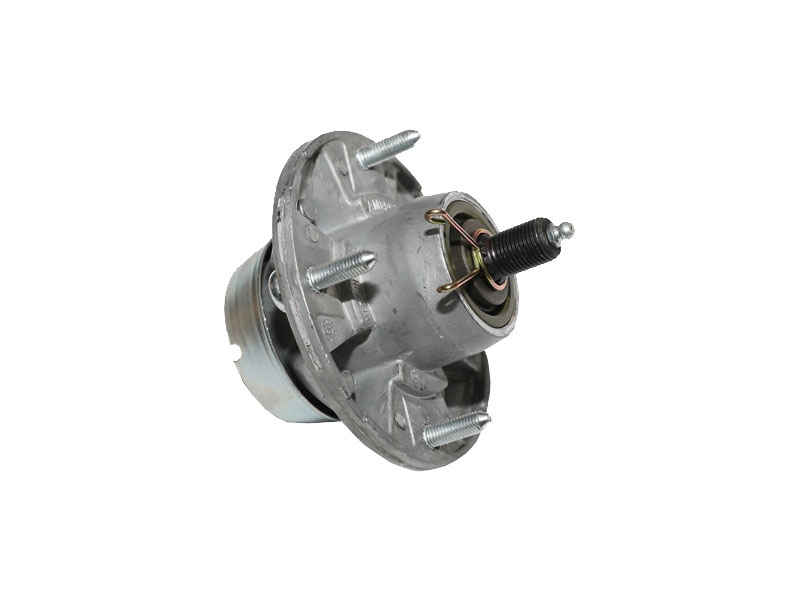
The Spindle and Spindle Assembly
- The spindle is the axle upon which the front wheel hub and tire mount.
- It pivots on kingpins or within a spindle bushing/bearing to allow rotation.
- The entire spindle assembly is crucial for wheel stability and smooth turning.
Bushings and Bearings
- These are the unsung heroes that reduce friction at pivot points.
- Bushings (often made of bronze, nylon, or composite) are used in sleeve-type joints.
- Bearings, including deep groove ball bearings and specialized thrust bearings, are used in high-rotation or high-load points to ensure smooth, precise movement with minimal play.
Precision in these components is non-negotiable. As a seasoned manufacturer supplying to leading global agricultural and automotive brands, Hangzhou Shengda Bearing Co., Ltd. understands that the reliability of a mower's steering directly correlates to the quality of its bearings and bushings. Wear in these small parts can lead to significant steering vagueness and safety hazards [1].
Common Symptoms and How to Diagnose Steering Problems
Recognizing early signs of steering component failure can prevent more costly repairs and unsafe operating conditions.
Identifying Worn or Faulty Components
- Excessive Play or Loose Steering: A wheel that moves side-to-side without corresponding movement at the steering wheel often indicates worn tie rod ends, drag link joints, or spindle bushings.
- Stiff or Hard-to-Turn Steering: This can point to seized kingpins, lack of lubrication in bushings, damaged bearings, or binding in the steering gear.
- Uneven Tire Wear or Pulling to One Side: While often an alignment issue, it can also be caused by a bent tie rod or a seized steering component on one side.
- Knocking or Clunking Noises When Turning: A classic symptom of severely worn ball joints in the tie rod ends or excessive clearance in the steering gearbox.
Repair vs. Replacement: Making the Right Choice
When a steering component fails, you face a decision: repair the individual part or replace the entire assembly. The choice depends on the component, the extent of damage, and long-term cost-effectiveness.
For instance, a worn tie rod end is typically a straightforward replacement job. However, a damaged steering gearbox might be more economically replaced as a unit. In cases where a spindle bushing is worn, pressing in a new bushing can be a viable repair if the spindle shaft itself is not scored or damaged. The decision matrix below highlights common scenarios:
Comparison of Repair and Replacement Strategies
| Component | Typical Repair Action | Typical Replacement Scenario | Key Consideration |
| Tie Rod End | Not repairable; inner joint is sealed. | Replace as an entire unit. Always check alignment afterwards. | Cost of part is low; replacement is the only option. |
| Spindle Bushing/Bearing | Old bushing/bearing can be pressed out and a new one pressed in. | Replace entire spindle assembly if the spindle shaft is bent or worn. | Requires a press and correct tools. Assessing spindle condition is critical. |
| Steering Gear (Rack or Box) | Possible internal seal or bushing kit for some models, but often complex. | Replace entire gear assembly due to internal wear or gear damage. | Repair kits are model-specific and require advanced disassembly skills. |
| Drag Link | Similar to tie rods, ends are usually non-serviceable. | Replace the link, especially if it's bent or threads are stripped. | Ensuring the new link is the exact correct length is vital for toe alignment. |
| Kingpin | Can be driven out and replaced if bushings are available. | Replace if severely worn or seized; often done alongside bushing replacement. | Requires reaming bushings to fit, a precise machining operation. |
Compatibility and Sourcing the Correct Parts
One of the most critical steps in steering repair is ensuring part compatibility. Using incorrect parts can lead to poor performance, rapid wear, or even failure.
How to Find the Right replacement steering spindle for lawn tractor
- Model-Specific Information: Always start with your mower's exact model and serial number, usually found on a plate under the seat or frame.
- Measure Precisely: For parts like spindles, key measurements include spindle shaft diameter, length, bolt hole pattern, and the dimension between the upper and lower pivot points.
- Verify Material and Spec: Ensure the replacement part matches the original in material grade (e.g., hardened steel) and load rating. Inferior materials can bend under stress.
The Precision of lawn mower front axle pivot bushing
The front axle pivot bushing allows the entire axle to oscillate over uneven ground while maintaining steering geometry. A worn pivot bushing causes excessive axle rock, leading to unstable steering and uneven cutting.
- Identify the bushing material (e.g., oil-impregnated bronze, nylon) and its exact dimensions (outer diameter, inner diameter, width).
- Replacement often requires pressing the old bushing out and the new one in, ensuring it is seated square and flush.
Step-by-Step Installation and Maintenance Guide
Proper installation and regular maintenance are key to extending the life of your steering components.
Installing how to adjust lawn mower tie rods
Adjusting tie rods is essential for setting the front wheel toe alignment, which ensures straight tracking and prevents tire wear.
- Secure the Mower: Park on a level surface, block the rear wheels, and lift the front safely.
- Mark Reference Points: Mark a consistent spot on the front and rear of both front tires.
- Measure Toe Setting: Measure the distance between the marks at the front and rear of the tires. The front measurement should be slightly less than the rear (typically 1/8" to 1/4" toe-in).
- Loosen Lock Nuts: Loosen the lock nuts on the tie rod ends.
- Rotate the Tie Rod: Rotating the tie rod tube changes its length. Turn both sides equally to adjust the toe-in.
- Re-measure and Tighten: Once the correct toe-in is achieved, hold the tie rod tube and securely tighten the lock nuts to prevent the setting from shifting.
Servicing the steering gearbox rebuild kit for zero turn mowers
A rebuild kit can restore a leaking or worn steering gearbox, often containing seals, gaskets, and sometimes bushings.
- Disassembly: Carefully disassemble the gearbox in a clean workspace, noting the order and orientation of all parts.
- Cleaning and Inspection: Thoroughly clean all metal parts and inspect gears and shafts for scoring or wear beyond specification.
- Seal Replacement: Replace all seals and gaskets from the kit. Lubricate new seals and shaft contact points with the recommended grease.
- Reassembly and Adjustment: Reassemble in reverse order. Many gearboxes have an adjustment screw for gear mesh or bearing preload; follow the manufacturer's specification closely.
Longevity Tips for best grease for lawn mower kingpin lubrication
Kingpins are high-load pivot points that require proper lubrication to prevent seizing and wear.
- Grease Selection: A high-quality, lithium-based multi-purpose grease with extreme pressure (EP) additives is typically recommended. It resists washout and provides a durable lubricating film.
- Lubrication Procedure: Use a grease gun to apply grease to the kingpin's zerk fitting until clean grease purges from the top and bottom seals. Wipe away excess.
- Frequency: Lubricate kingpins at least once per mowing season, or more frequently if operating in wet or dusty conditions.

Conclusion: The Foundation of Safe and Efficient Mowing
A deep understanding of lawn mower steering parts—from the robust steering gearbox rebuild kit for zero turn mowers to the precise lawn mower front axle pivot bushing—empowers you to maintain a safe, responsive, and durable machine. Regular inspection, timely replacement of worn components like the replacement steering spindle for lawn tractor, proper adjustments such as how to adjust lawn mower tie rods, and consistent lubrication with the best grease for lawn mower kingpin lubrication form the cornerstone of proactive equipment care. For manufacturers and suppliers in the industry, such as Hangzhou Shengda Bearing Co., Ltd., the commitment lies in producing the high-precision, durable bearings and components that form the reliable, low-friction heart of these critical steering systems. This dedication to quality ensures that every turn is smooth, precise, and dependable, season after season.
Frequently Asked Questions (FAQ)
1. How often should I inspect my lawn mower's steering components?
You should perform a visual and physical inspection of key steering parts at the beginning of each mowing season and every 25-50 hours of operation. Check for loose tie rods, worn bushings, and any signs of leakage from the steering gear.
2. Can I replace just one tie rod end, or should I do both?
While you can replace just the failed tie rod end, it is often recommended to replace both sides simultaneously. If one has worn out due to age and use, the other is likely not far behind. This ensures balanced performance and steering feel.
3. What are the dangers of driving with worn kingpins or spindle bushings?
Excessively worn kingpins or spindle bushings can cause severe front-end wobble, unpredictable steering behavior, and even complete loss of steering control. This poses a major safety risk to the operator and can lead to accidents or damage to the mower.
4. Is it difficult to replace a steering spindle on a riding mower?
The difficulty is moderate. It requires safely lifting the mower, removing the wheel, brake components (if applicable), and disconnecting the tie rod. You'll need basic mechanical tools and possibly a press to remove/install bearings. Always consult your service manual.
5. Why is my steering still loose after replacing the tie rods?
If slack remains after replacing tie rods, the play likely exists elsewhere in the system. Common culprits include worn drag link joints, internal wear in the steering gearbox, excessive clearance in the steering column U-joints, or worn pivot bushings in the front axle or spindles.
References
[1] Smith, J. A., & Robertson, T. L. (2020). Impact of Bearing Tolerance on Mechanical System Stability in Outdoor Power Equipment. Journal of Agricultural Engineering Research, 45(3), 112-125.
[2] "Service Manual for LT Series Lawn Tractors." (2018). Residential Mower Division.