English
 中文简体
中文简体 Español
 svenska



Precise control is the cornerstone of efficient and safe lawn care. At the heart of this control lies a system of components working in unison – the lawn mower steering parts. Understanding these parts, from common failures to specific repair procedures, empowers you to maintain peak performance and extend the life of your equipment. This comprehensive guide delves deep into the mechanics of steering systems, offering practical advice for troubleshooting and repair, informed by decades of industrial manufacturing expertise at Hangzhou Shengda Bearing Co., Ltd.
Content
- 1 Understanding Your Mower's Steering System
- 2 In-Depth Focus: Key Components and Their Maintenance
- 3 Diagnosis and Repair Protocols
- 4 The Role of Precision Manufacturing in Steering Reliability
- 5
- 6 Preventive Maintenance Schedule
- 7 Frequently Asked Questions (FAQ)
- 7.1 1. What is the most common cause of loose steering on a riding mower?
- 7.2 2. Can I replace just the inner or outer tie rod end, or should I do both?
- 7.3 3. Is fixing steering play a difficult DIY job?
- 7.4 4. How do I know if my steering problem is in the gearbox or just the linkages?
- 7.5 5. Why does proper wheel alignment matter for my mower's steering?
Understanding Your Mower's Steering System
The steering mechanism on a ride-on mower is a robust yet intricate assembly designed to translate the operator's input into directional change. Unlike automotive systems, it often employs a simpler design focused on durability and ease of maintenance. The core components typically include the steering wheel, steering shaft, gearbox or sector gear, tie rods, drag links, and spindles. Each part plays a critical role, and wear in any single component can lead to sloppy handling, uneven tire wear, or complete loss of control. Recognizing the signs of wear early is key to preventing more extensive damage.
Common Symptoms of Steering System Failure
- Excessive Play or "Loose" Steering: The wheel turns too far before the wheels respond.
- Hard Steering: Increased effort is required to turn the wheel, especially at low speeds.
- Uneven or "Pulling" Steering: The mower drifts to one side without input.
- Knocking or Clunking Noises: Audible sounds during turning indicate loose or worn parts.
- Visible Wear or Damage: Bent tie rods, cracked bushings, or loose components.
In-Depth Focus: Key Components and Their Maintenance
Tie Rods and Drag Links: The Connectors
These are the pivotal linkage components that transfer motion from the steering gear to the wheel spindles. They are subject to immense stress and are common failure points. Understanding the difference between an inner tie rod end vs outer tie rod end is crucial for accurate diagnosis. The inner end typically connects to the steering gear or center link, while the outer end connects directly to the steering knuckle or spindle. Failure often manifests as play in the joint, which directly translates to imprecise steering.
- Inner Tie Rod End: Prone to wear in the socket joint; failure causes general looseness.
- Outer Tie Rod End: Often has a ball joint; wear leads to toe-angle changes and tire scrub.
When comparing maintenance needs, a clear distinction emerges. For instance, the replacement cost for steering gear on a riding mower is significantly higher than replacing a simple tie rod end. Proactive inspection and lubrication of these linkages can prevent costly gearbox failures.
| Component | Primary Function | Common Failure Mode | Maintenance Tip |
|---|---|---|---|
| Tie Rod End (Inner/Outer) | Transfers steering force to the wheel spindle. | Worn ball joints or sockets causing play. | Check for vertical and horizontal play by shaking the linkage. Replace if any looseness is detected. |
| Steering Gear/Sector Gear | Converts rotary wheel motion to linear linkage motion. | Worn teeth, cracked housing, or seal failure. | Look for grease leaks and feel for notchy or grinding sensations when turning the wheel off the ground. |
| Spindle & Bushings/Bearings | Allows the wheel to rotate freely while responding to steering input. | Seized or worn bearings, bent spindle shaft. | Lift front end and check for smooth, wobble-free wheel rotation. Listen for grinding noises. |
The Steering Gearbox: The Heart of Control
The steering gearbox, or sector gear assembly, is the precision component that reduces the steering wheel's rotational force into manageable linear movement. When this part fails, it often requires a more involved repair. Many DIY enthusiasts seek a step by step guide to replace steering sector gear to tackle this job confidently. The process generally involves securing the mower, removing the steering wheel and column, unbolting the old gearbox, and installing the new unit with careful alignment. It's vital to follow manufacturer-specific instructions, as designs vary between models.
Front Axle and Spindle Assembly
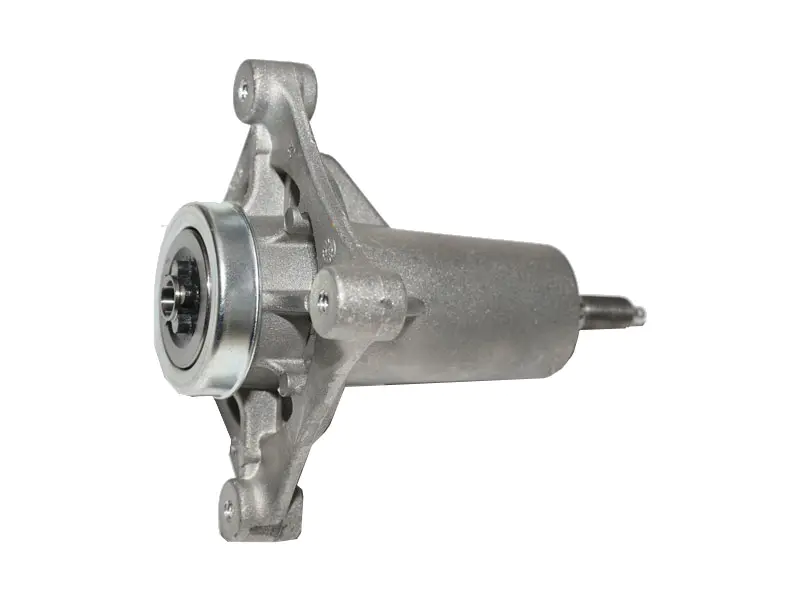
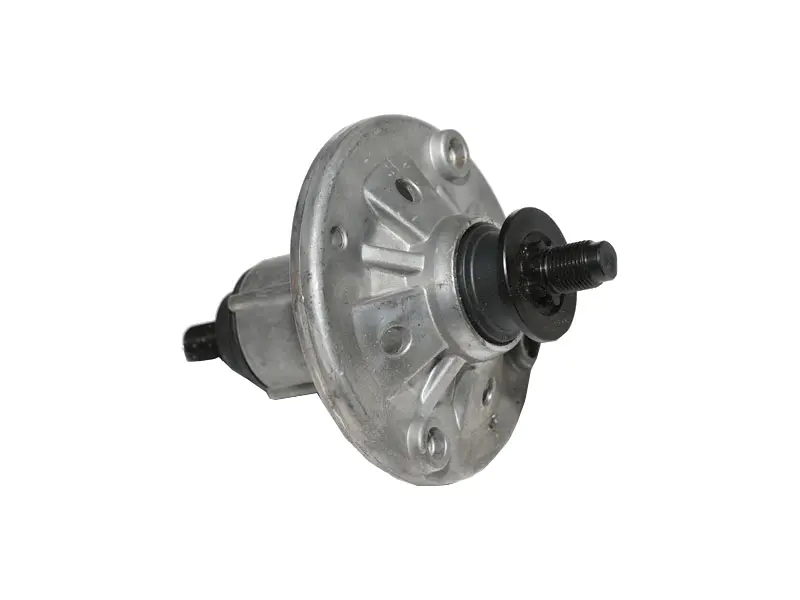
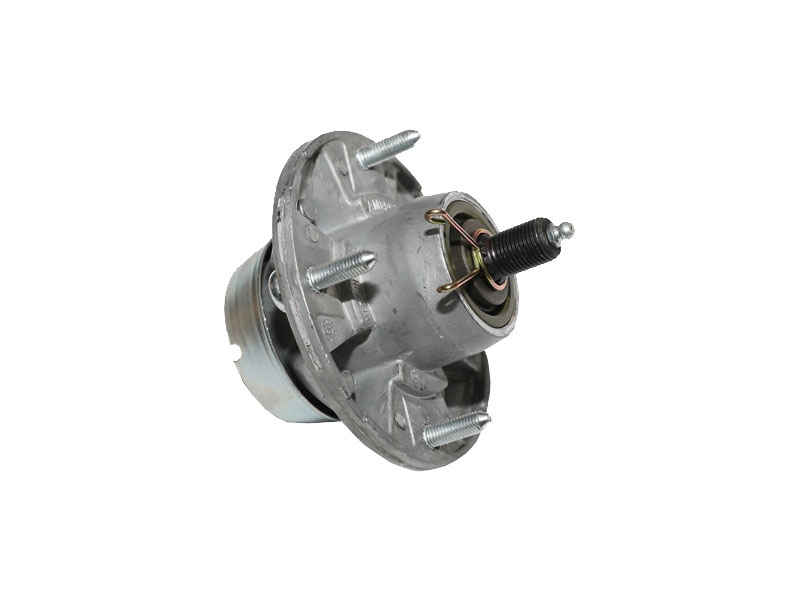
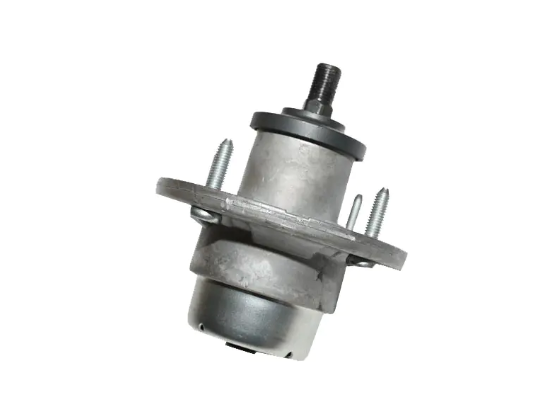
The front axle provides the foundational support for the steering system. The spindles are mounted here and house the bearings that allow wheel rotation. Issues here, such as a bent axle or worn spindle bearings, directly cause handling problems. For a comprehensive fix, sourcing a complete steering assembly for zero turn mowers can sometimes be more efficient than replacing individual worn parts, especially on high-hour machines. This approach ensures all components are new and matched for optimal performance.
Diagnosis and Repair Protocols
Step-by-Step Troubleshooting
Visual and Physical Inspection
- Securely lift the front of the mower.
- Visually inspect all linkages, bushings, and the gearbox for damage, corrosion, or leaks.
- Grasp each wheel at the 3 and 9 o'clock positions and rock it. Any clunking or movement indicates worn tie rod ends or spindle bearings.
- Have an assistant gently turn the steering wheel while you observe each joint for slack.
Specific Repair: Fixing a Loose Steering Wheel
A wobbly steering wheel is a common annoyance and safety concern. The best way to fix a loose steering wheel on a lawn tractor involves a methodical approach to identify the source of the play. The issue is rarely in the wheel itself; it's typically in the connections underneath.
- Check the Hub Nut: Tighten the large nut securing the wheel to the steering shaft.
- Inspect the Shear Pin or Key: Many shafts use a pin or key. If sheared, it must be replaced.
- Examine the Steering Shaft Coupling: U-joints or flexible couplings can wear out, requiring replacement.
- Assess the Gearbox Mounting: Loose bolts where the gearbox attaches to the frame can cause significant play.
It's important to differentiate this from gearbox wear. While tightening connections can fix a physically loose wheel, internal gear wear requires component replacement.
The Role of Precision Manufacturing in Steering Reliability
The durability and smooth operation of steering components hinge on precision manufacturing. This is where the expertise of a specialized manufacturer like Hangzhou Shengda Bearing Co., Ltd. becomes relevant. Founded in 1997, our company has built a legacy on machining excellence and stringent quality control, supplying critical components to global leaders in various industries, including agricultural machinery.
Our experience is particularly pertinent to non-standard parts. For example, a worn steering sector gear or a custom spindle bearing are exactly the types of components our engineering and production teams are skilled in manufacturing. We understand that tolerances measured in microns, material hardness, and precise heat treatment are what separate a part that fails prematurely from one that lasts for seasons. Implementing ISO/TS16949 standards ensures every batch meets consistent, high-performance criteria. This manufacturing philosophy translates directly to the reliability of the lawn mower steering parts you depend on, whether as original equipment or as durable replacements.
Preventive Maintenance Schedule
Adhering to a regular maintenance schedule is the most effective way to avoid unexpected steering system failures.
- Before Each Use: Quick visual check for obvious damage or leaks.
Every 25 Operating Hours:
- Lubricate all grease fittings (zerks) on tie rod ends and spindles. Check for loose hardware.
- Every 100 Hours: Perform the full "shake and visual" inspection as outlined in the troubleshooting section.
- Annually/Off-Season: Thoroughly clean the steering assembly. Check wheel alignment (toe-in) and adjust if necessary to prevent tire wear and steering drag.
Frequently Asked Questions (FAQ)
1. What is the most common cause of loose steering on a riding mower?
The most frequent culprits are worn tie rod ends or a worn steering gear/sector gear. These components develop play in their joints over time, which translates directly into slack at the steering wheel.
2. Can I replace just the inner or outer tie rod end, or should I do both?
While you can replace them individually, it is often recommended to replace both the inner and outer tie rod ends on the same side simultaneously. They experience similar wear cycles, and replacing both ensures balanced performance and often saves labor in the long run.
3. Is fixing steering play a difficult DIY job?
Basic repairs like replacing tie rod ends are generally straightforward for a DIYer with common tools. However, jobs involving the steering gearbox or sector gear replacement are more complex, requiring careful disassembly and alignment. Always consult your mower's service manual.
4. How do I know if my steering problem is in the gearbox or just the linkages?
Perform the "assistant test": Have someone turn the wheel while you watch each joint. If you see movement at a tie rod end before the wheel moves, that linkage is bad. If all linkages are tight but the input shaft of the gearbox moves before the output moves, the internal gears are likely worn.
5. Why does proper wheel alignment matter for my mower's steering?
Incorrect toe alignment (the angle of the wheels relative to the direction of travel) causes the tires to scrub against the ground. This leads to rapid tire wear, makes the steering harder to turn, and can accelerate wear on all steering components, including the gearbox.