English
 中文简体
中文简体 Español
 svenska



Content
- 1 Understanding the Core Components of Your Mower's Steering System
- 2 Essential Maintenance for Reliable Steering Performance
- 3 Identifying and Sourcing the Right Replacement Parts
- 4 Step-by-Step Guide to Replacing Key Steering Components
- 5 Comparing Steering System Types and Their Common Issues
- 6 Solving Specific Steering Problems and Troubleshooting
Understanding the Core Components of Your Mower's Steering System
The steering system of a lawn mower is a critical assembly that directly impacts the machine's maneuverability, safety, and ease of use. While often overlooked until a problem arises, a well-maintained steering mechanism ensures precise control over the direction of the mower, especially important when navigating around flower beds, trees, and other garden obstacles. The system is not overly complex but consists of several key parts that work in unison to translate the operator's input at the steering wheel or levers into movement of the front wheels. Understanding these components is the first step toward effective troubleshooting and DIY repair, empowering you to keep your equipment in peak operating condition and avoid the frustration of a malfunction during the crucial mowing season.
Primary Steering System Parts
Most lawn tractor and riding mower steering systems share common fundamental parts. The central component is typically a steering shaft, which connects the steering wheel to a gearbox or a pinion gear. This gear interfaces with a sector gear or a spindle, initiating the turning motion. From there, a series of linkages, tie rods, and drag links transmit this motion to the steering arms attached to the front wheel spindles. Each of these components must be in good working order for the entire system to function smoothly. Wear and tear on any single part, such as a worn tie rod end or a bent drag link, can lead to excessive play in the steering wheel, making the mower difficult to control, or cause the wheels to wobble, creating an unsafe operating condition.
Common Signs of Steering Component Wear
Recognizing the early warning signs of failing steering parts can prevent more extensive damage and costly repairs down the line. Operators should be attentive to changes in the feel and response of their mower's steering. A common indicator is excessive free play or looseness in the steering wheel, meaning you have to turn the wheel a significant distance before the wheels begin to respond. This is often a symptom of worn tie rod ends or a malfunctioning steering gear. Another telltale sign is uneven tire wear on the front wheels, which suggests the wheels are not aligning properly due to a bent component or a failed adjustment. Additionally, any knocking, clunking, or grinding noises when turning usually points to worn joints or insufficient lubrication within the steering linkage assembly.
Essential Maintenance for Reliable Steering Performance
Regular preventative maintenance is the most effective strategy for ensuring the longevity and reliability of your lawn mower's steering system. Unlike reactive repairs that occur after a part has already failed, a consistent maintenance routine focuses on inspection, lubrication, and minor adjustments that keep all components operating within their intended parameters. This proactive approach not only saves time and money but also significantly enhances operational safety by reducing the likelihood of a sudden steering failure while the mower is in use. A well-maintained steering system provides crisp, responsive control, making the task of mowing less physically demanding and more efficient.
Routine Inspection and Lubrication Protocols
A thorough inspection should be performed at the beginning of the mowing season and periodically thereafter. Begin by visually examining all visible steering linkages for obvious signs of damage, such as bends, cracks, or severe rust. Next, check for loose fasteners; nuts and bolts securing tie rods and drag links can work themselves loose over time due to vibration. The most critical part of the inspection involves checking for wear in the tie rod ends and other pivot points. Grasp each tie rod and attempt to move it up and down; any noticeable play or wobble indicates the joint is worn and requires replacement. Following the inspection, apply a high-quality grease to all grease fittings (zerks) found on the tie rod ends and suspension pivots. This purges out old, contaminated grease and provides a fresh protective layer to minimize friction and wear.
Identifying and Sourcing the Right Replacement Parts
When maintenance is no longer enough and a component has failed, correctly identifying the necessary replacement part is paramount. The world of lawn mower steering parts is diverse, with variations between different mower brands, models, and years. Using an incorrect or ill-fitting part can lead to poor performance, rapid wear, or even safety hazards. The first step is to locate your mower's model number, usually found on a sticker or plate located on the frame under the seat, on the dashboard, or inside the glove box. This model number is the key to finding parts diagrams and cross-referencing compatible components. Understanding the specific nomenclature—knowing the difference between a drag link and a tie rod, for instance—will ensure you order the correct piece for your machine's unique steering configuration.
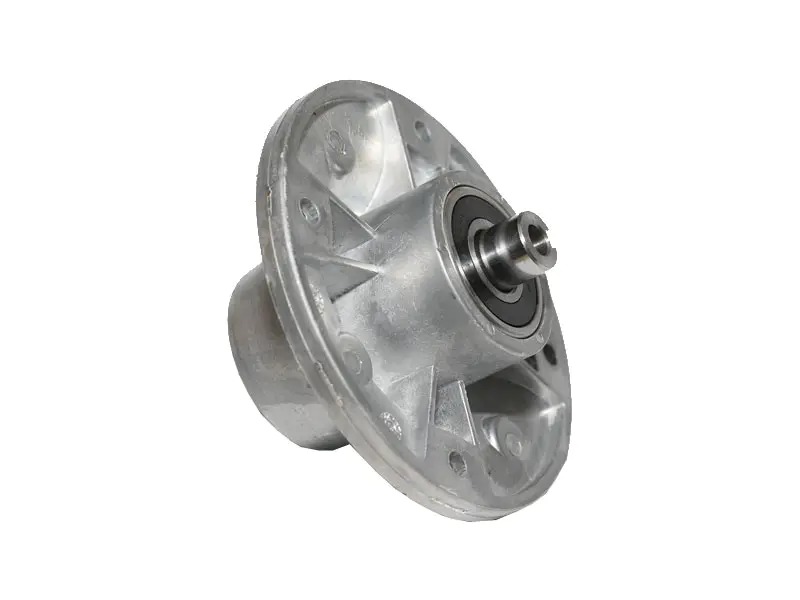
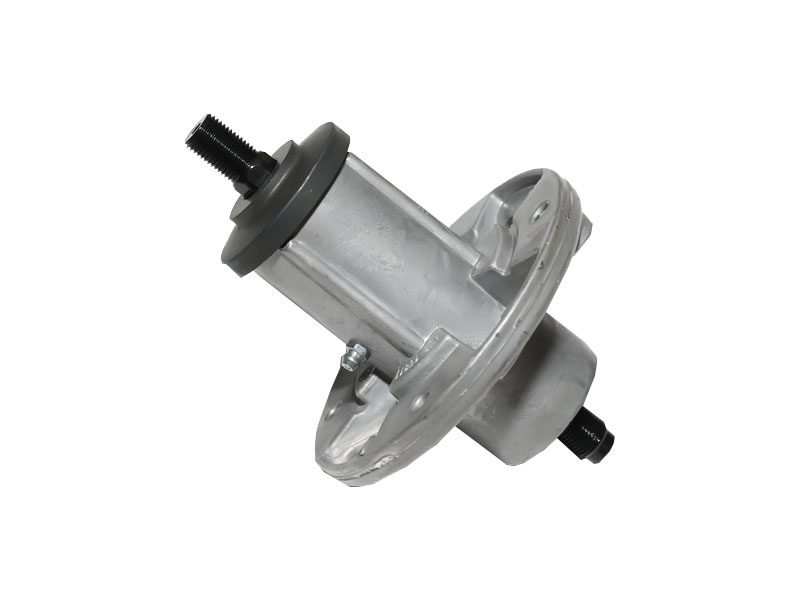
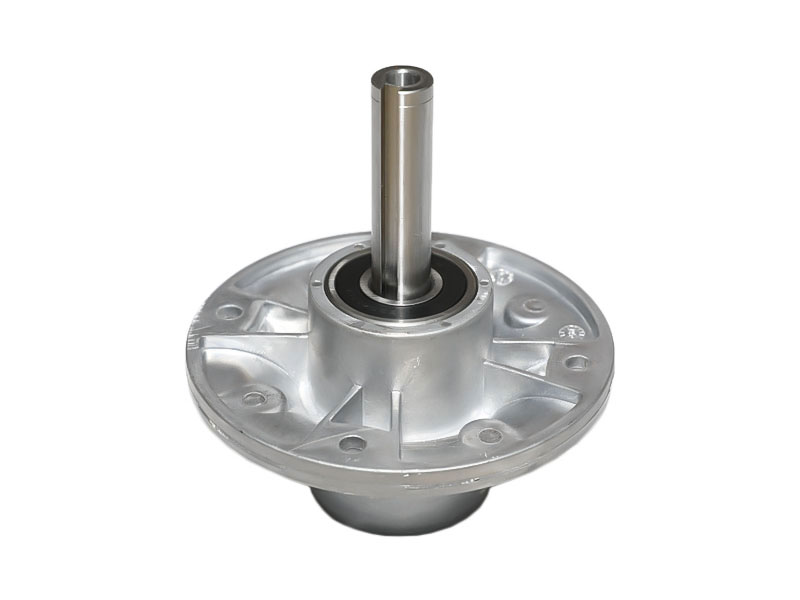
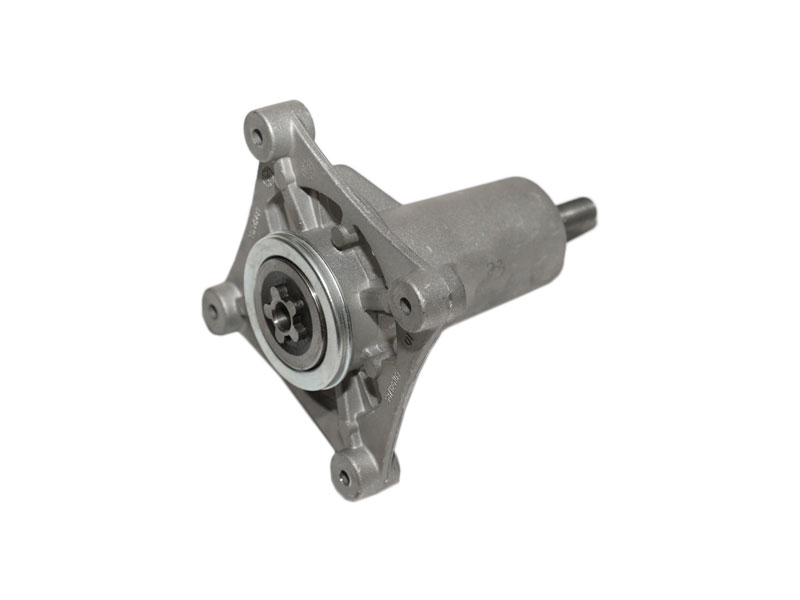
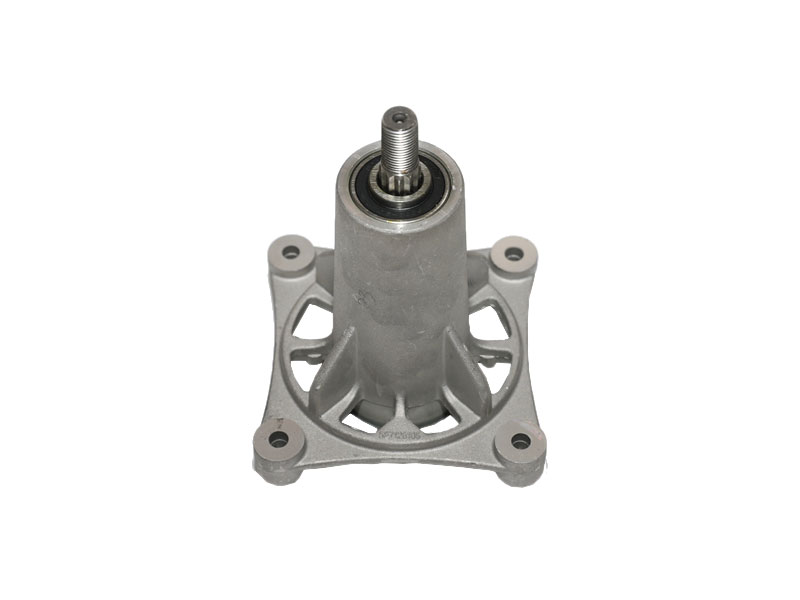
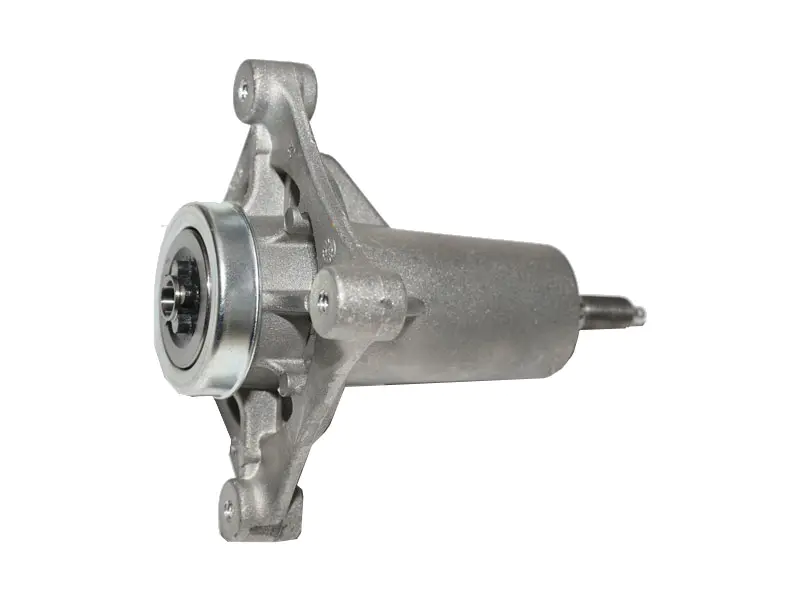
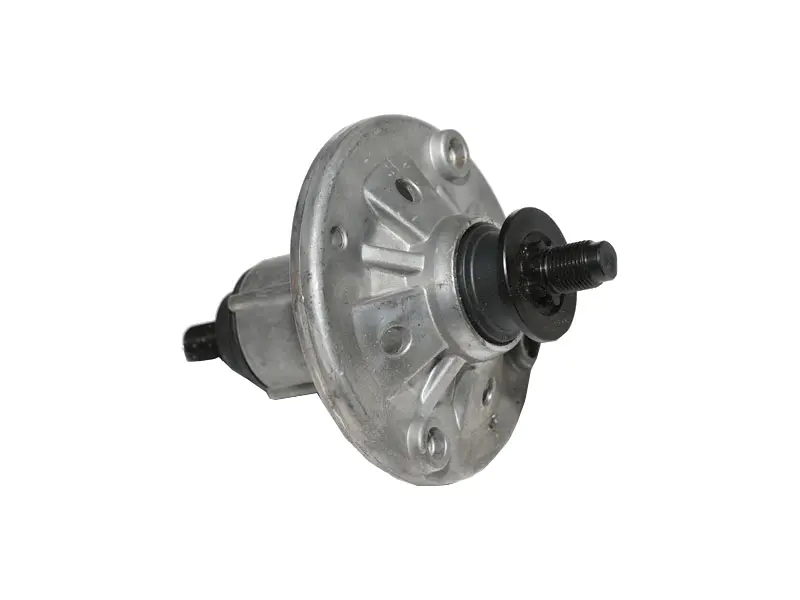
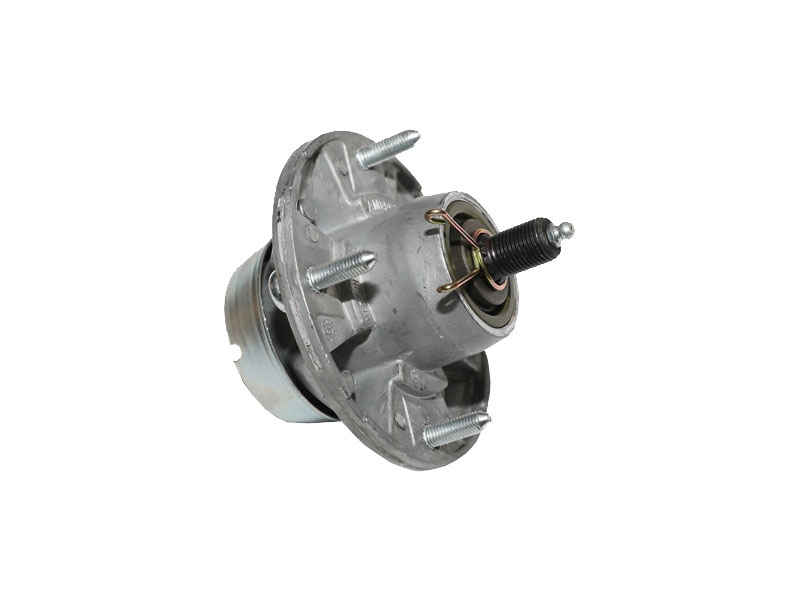
Parts diagrams, often available from various online sources, are invaluable tools for identification. These exploded-view drawings label each component with a number and a corresponding part number. By comparing the diagram to your mower's steering assembly, you can pinpoint the exact part you need. Pay close attention to the specific type of steering system your mower employs, as this greatly influences part compatibility. For example, a steering spindle assembly for zero turn mowers is fundamentally different from that of a traditional lawn tractor. Zero-turn mowers typically use individual spindles that incorporate a pivot bolt and bushings or bearings, and they are designed to withstand the sharp turns and pivoting maneuvers that are characteristic of zero-turn operation. Selecting a part designed for the wrong type of mower will result in a failed repair.
Step-by-Step Guide to Replacing Key Steering Components
Replacing worn-out steering parts is a manageable DIY project for many enthusiasts, provided they have the right tools and a methodical approach. Safety is the foremost concern; always disconnect the spark plug wire to prevent any accidental starting of the engine during the repair process. Securely block the rear wheels and lift the front of the mower off the ground using jack stands—never rely solely on a hydraulic jack for support. Having a basic set of mechanic's tools, including wrenches, sockets, a hammer, and a pry bar, is essential. For pressing out and in new tie rod ends, a specialized tie rod separator tool (often called a pickle fork) can be extremely helpful and prevent damage to other components.
Replacing a Tie Rod End
One of the most common repairs is replacing a worn tie rod end. The process begins by loosening the nut that secures the tie rod end to the steering arm or spindle. Do not remove the nut completely at this stage; leaving it on by a few threads protects the threads and prevents the assembly from flying off when pressure is applied. Use the tie rod separator tool to break the tapered stud loose from its mounting point. Once separated, unscrew the old tie rod end from the adjuster sleeve or the inner tie rod. To ensure proper wheel alignment upon reassembly, count the number of turns it takes to remove the old part or make a matchmark on the threads before removal. Screw the new tie rod end onto the sleeve exactly the same number of turns, connect it to the mounting point, and torque the castle nut to the manufacturer's specification. Finally, insert a new cotter pin to secure the nut.
Addressing a Worn Steering Shaft and Bushings
If the entire steering wheel feels loose and wobbly, the issue may lie within the steering shaft and bushing replacement. This repair is more involved but resolves slop originating from the top of the steering column. It typically involves removing the steering wheel (which may require a puller), followed by the dashboard panel or shroud to access the steering shaft. The shaft runs through one or more bushings or bearings mounted in the mower's frame. Over time, these bushings wear out, allowing the shaft to move excessively. Replacing them involves removing the shaft, pressing out the old worn bushings, and pressing in new ones. This restores a tight, precise feel to the steering wheel by eliminating the play between the shaft and the mower frame.
Comparing Steering System Types and Their Common Issues
Not all lawn mower steering systems are created equal. Understanding the type of system your mower has will provide better context for its maintenance needs and common failure points. The two most prevalent types in modern riding mowers and lawn tractors are mechanical gearbox systems and rack-and-pinion style systems. Each has its own advantages and characteristic wear patterns. Furthermore, the steering mechanisms on zero-turn mowers are entirely different, as they control direction through hydrostatic pumps driving individual wheel motors rather than a traditional turning axle. However, even zero-turn mowers have front wheel spindles and bushings that are critical for stability.
The following table outlines the key differences between common steering system types and their typical problems:
| System Type | Description | Common Issues & Parts |
|---|---|---|
| Mechanical Gearbox | Uses a box containing gears (e.g., worm and sector) connected to a vertical shaft. Common on older and simpler lawn tractors. | Gear wear inside the box causes slop. The entire lawn tractor steering gearbox often needs replacement as a unit. External linkage wear is also common. |
| Rack and Pinion | Features a pinion gear on the steering shaft that moves a horizontal rack connected to the tie rods. Offers more precise feel. | The rack can wear or the pinion teeth can become damaged. Tie rod ends attached to the rack are frequent failure points. |
| Zero-Turn Front Spindle | While not a steering system per se, the spindles allow the front wheels to castor freely and are vital for handling. | Spindle arms can bend from impact. The replacement spindle arm for lawn tractor is a common repair, as are the pivot bushings and bearings within the spindle assembly. |
Solving Specific Steering Problems and Troubleshooting
Even with diligent maintenance, problems can occur. Effective troubleshooting involves systematically checking the steering system to isolate the root cause of the issue. A methodical approach—starting from the steering wheel and working down to the wheels, or vice versa—prevents you from replacing parts unnecessarily. For instance, if the steering wheel is hard to turn, the problem could be as simple as low tire pressure in the front wheels, or it could be more complex, like damaged steering gear teeth or a seized spindle bushing. By checking the easiest and most accessible components first, you can often solve the problem quickly or at least narrow down the list of potential culprits.
Diagnosing and Fixing Loose Steering
Loose or sloppy steering is the most frequent complaint. To diagnose, have an assistant gently turn the steering wheel back and forth while you observe every joint in the linkage system from the gearbox down to the wheels. The component that moves before the one immediately below it is the source of the play. If the steering wheel moves significantly but the shaft does not turn immediately, the problem is likely in the lawn mower steering linkage repair at the top end, such as a worn gearbox or a loose coupling. If the shaft turns but the wheels don't respond immediately, the play is in the linkages, tie rods, or spindle arms. This hands-on diagnosis is the most accurate way to identify which specific lawn mower steering linkage repair is needed, whether it's tightening a bolt, replacing a single tie rod end, or addressing a worn gear mechanism.
Dealing with Hard Steering and Wheel Wobble
Hard steering requires significant effort to turn the wheel and can be caused by several factors. Begin by checking that the front tires are inflated to the correct pressure. Over-inflation can reduce traction, but under-inflation is a common cause of hard steering. Next, inspect the lubrication at all pivot points; a missing or dry grease fitting can cause a joint to seize. If lubrication and tire pressure are correct, examine the spindle axles and their bushings or bearings for rust, corrosion, or damage that prevents them from pivoting smoothly. Wheel wobble, on the other hand, is often a symptom of a bent component, such as a spindle arm or a rim, or severely worn bearings. Physical inspection for bends and checking for axial play by grabbing the top and bottom of the tire and trying to rock it can reveal worn spindle bearings that need replacement.