English
 中文简体
中文简体 Español
 svenska



In the world of high-precision manufacturing, the heart of many machining operations is the Precision Spindle Assembly. This critical component directly impacts the accuracy, surface finish, and overall efficiency of equipment. For OEMs and large machinery manufacturers, understanding the intricacies of spindle assembly is not just technical knowledge—it's a business imperative. With decades of experience in machinery manufacturing, we at Hangzhou Shengda Bearing Co., Ltd. recognize that a robust spindle is key to uninterrupted production and superior product quality. This comprehensive guide delves into the essential aspects of spindle management, from selection to troubleshooting.
Content
- 1 Understanding Precision Spindle Assembly and Its Critical Role
- 2 In-Depth Exploration of Spindle Topics
- 3 Expertise Built on a Foundation of Quality
- 4
- 5 Frequently Asked Questions (FAQ)
- 5.1 1. What are the most critical factors in extending the life of a precision spindle?
- 5.2 2. Can a damaged spindle always be repaired, or is replacement sometimes necessary?
- 5.3 3. How often should preventive maintenance be performed on a high-speed spindle?
- 5.4 4. What is the first sign of a potential spindle problem?
- 5.5 5. Why is balancing so important, and what are the consequences of imbalance?
Understanding Precision Spindle Assembly and Its Critical Role
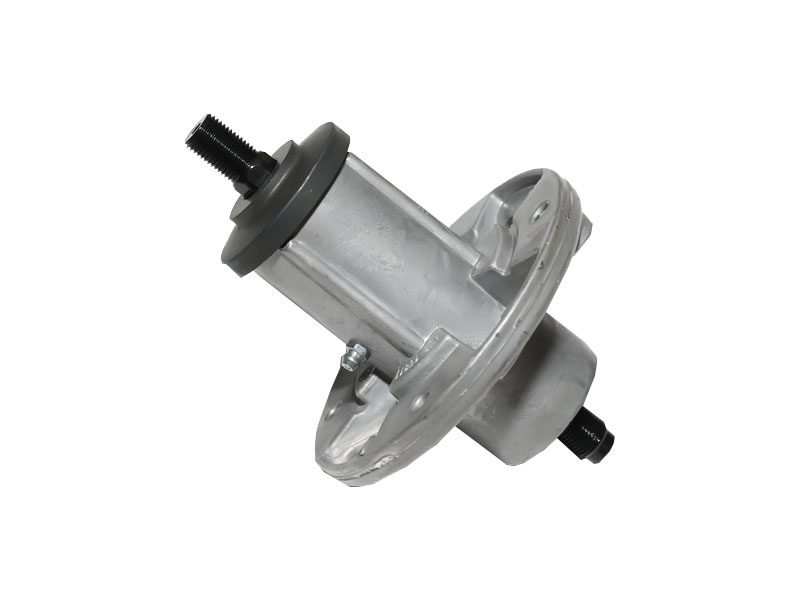
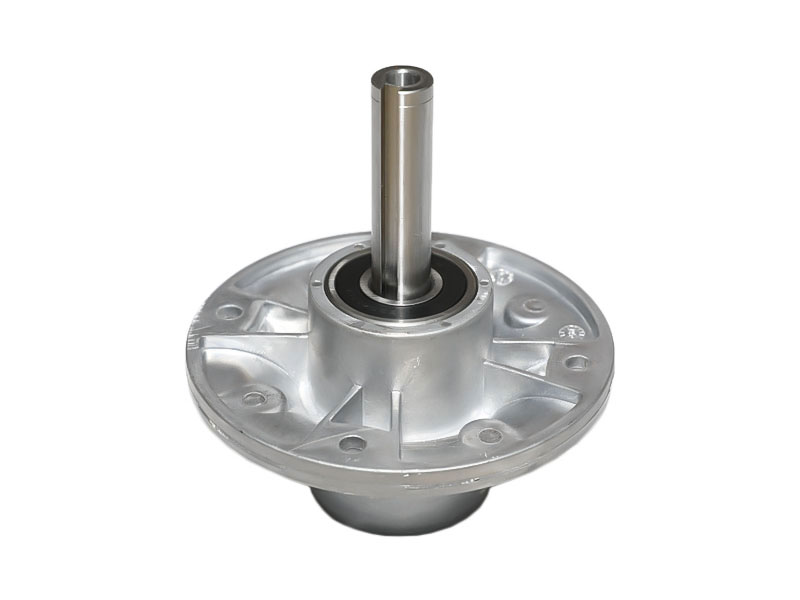
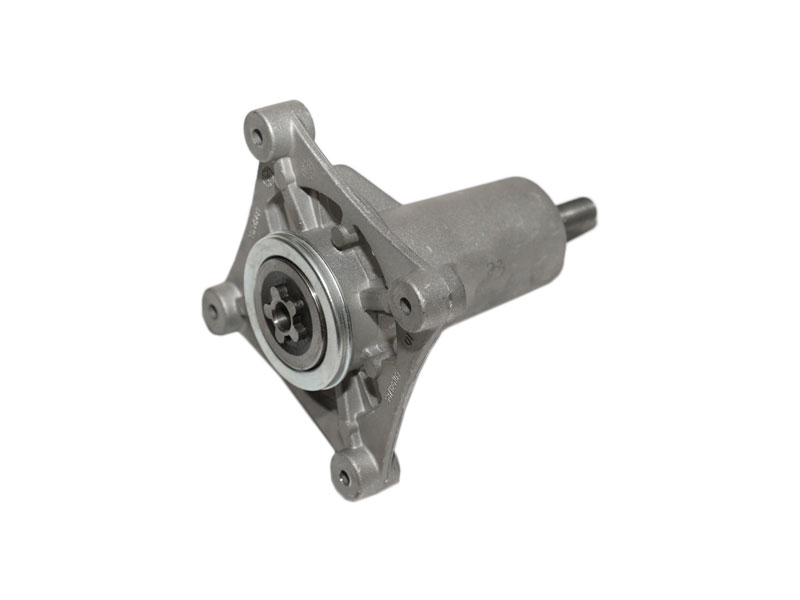
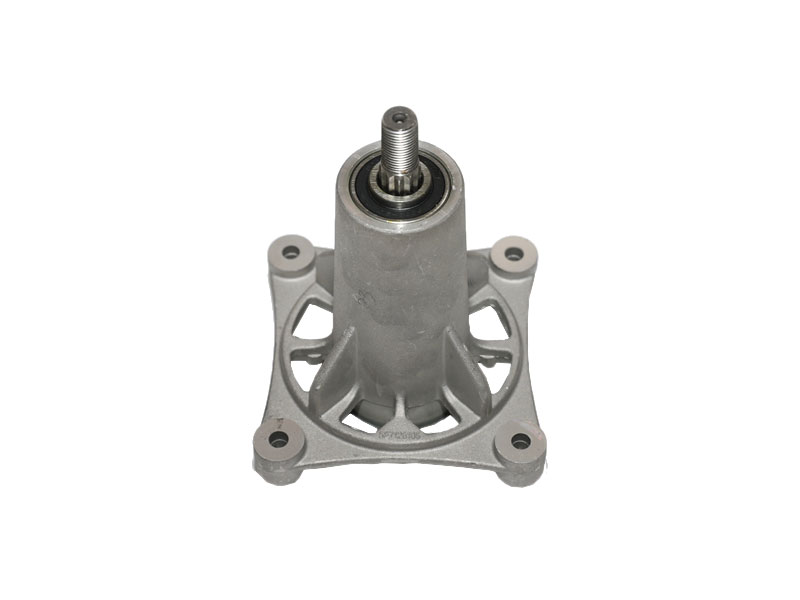
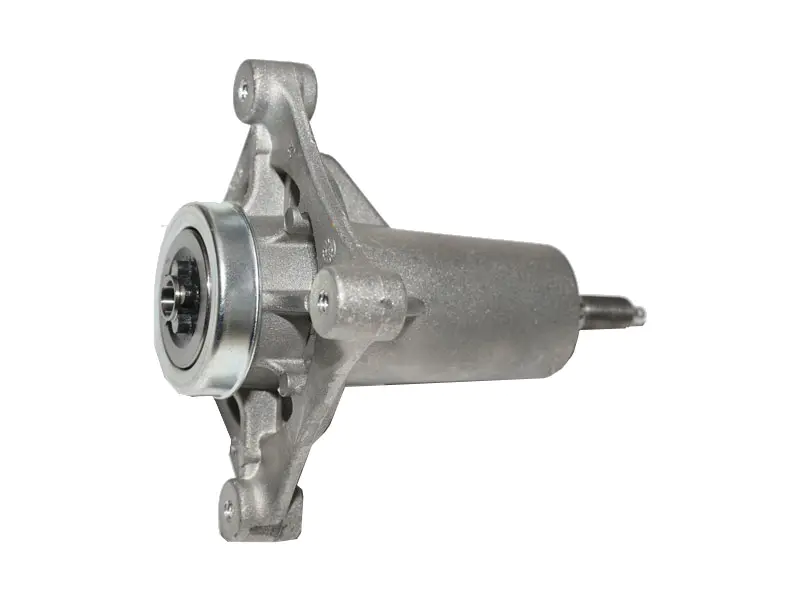
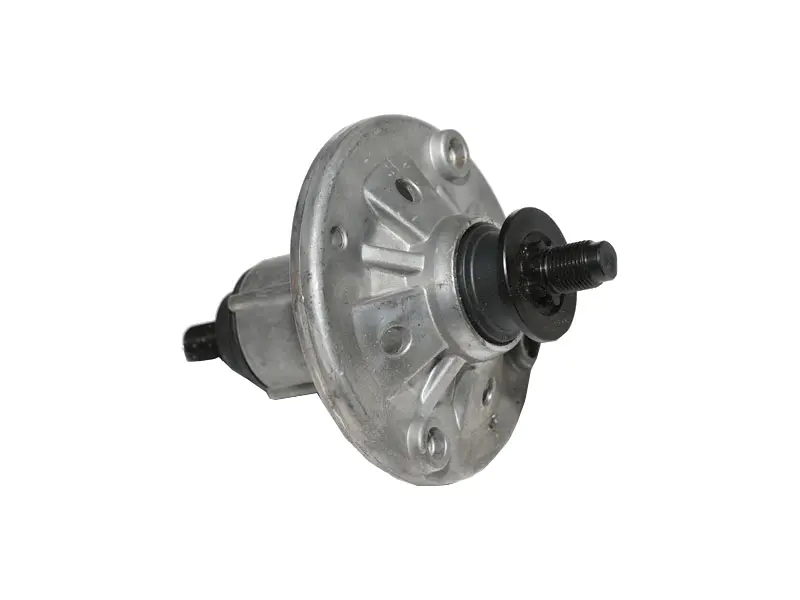
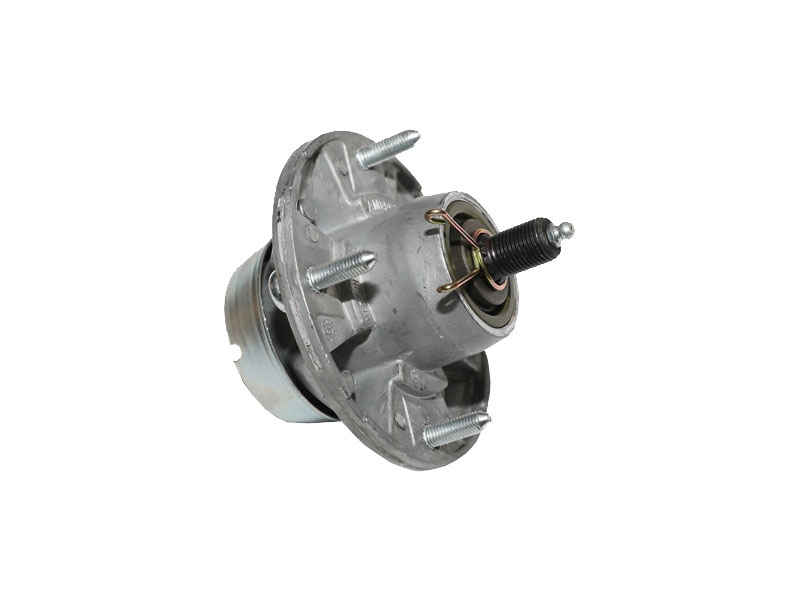
A Precision Spindle Assembly is a complex rotating unit that holds and drives cutting tools or workpieces in machine tools. Its primary function is to transmit power and motion with exceptionally high accuracy and minimal runout. The performance of this assembly dictates the capabilities of the entire machine.
Key Components of a Spindle Assembly
- Spindle Shaft: The core rotating element.
- Bearings: High-precision bearings that support the shaft and minimize friction.
- Housing: The rigid structure that encloses and aligns the assembly.
- Lubrication System: Ensures smooth operation and dissipates heat.
- Drive Mechanism: Connects the spindle to the motor (e.g., belt, motorized).
In-Depth Exploration of Spindle Topics
precision spindle assembly repair steps
When a spindle fails, a systematic approach to repair is crucial for restoring its original precision. Attempting non-expert repairs can lead to irreversible damage.
Critical Steps in the Repair Process
- Initial Diagnosis and Disassembly: Carefully disassemble the unit in a cleanroom environment to prevent contamination.
- Component Inspection and Cleaning: Meticulously clean and inspect each part for wear, damage, or corrosion.
- Replacement of Worn Parts: Replace bearings, seals, and other worn components with high-precision equivalents.
- Reassembly and Pre-loading: Reassemble with exacting tolerances and apply the correct bearing pre-load.
- Final Testing and Runout Verification: Test under operational conditions to verify performance and accuracy.
high speed spindle maintenance procedures
Proactive maintenance is the most effective strategy to prevent unexpected downtime and extend the service life of a high-speed spindle.
Essential Maintenance Routines
- Daily Checks: Monitor for unusual noises or vibrations and check lubrication levels.
- Weekly and Monthly Tasks: Clean cooling systems and check filter conditions.
- Quarterly and Annual Services: Conduct thorough inspections and replace consumables like filters and lubricants.
causes of precision spindle failure
Understanding why spindles fail helps in implementing preventive measures. The most common causes often stem from a few key areas.
The table below contrasts the primary causes of failure with their respective symptoms and preventive actions.
| Cause of Failure | Common Symptoms | Preventive Measures |
| Bearing Contamination | Increased noise, heat, and vibration | Ensure proper sealing and clean work environment |
| Improper Lubrication | Overheating, seized bearings | Follow manufacturer's lubrication schedule and use correct grease/oil |
| Tool Imbalance | Excessive vibration, poor surface finish | Use balanced tool holders and perform precision spindle balancing techniques |
| Thermal Growth | Dimensional inaccuracy during long operations | Utilize spindles with integrated cooling systems |
how to choose a precision spindle
Selecting the right spindle is a critical decision that affects your manufacturing capabilities. It's not a one-size-fits-all component.
When evaluating how to choose a precision spindle, several factors must be weighed against each other to find the optimal solution for a specific application.
| Selection Factor | High-Speed Milling | Heavy-Duty Milling |
| Primary Requirement | High RPM, Low Vibration | High Torque, Rigidity |
| Bearing Type | Angular Contact Ball Bearings | Tapered Roller Bearings |
| Cooling System | Oil-Air or Internal Oil Cooling | External Jacket Cooling |
| Drive Type | Integrated Motor (Motorized) | Belt-Driven or Gear-Driven |
Key Selection Parameters
- Speed (RPM) and Power (kW): Match the spindle's capabilities to your material removal requirements.
- Tool Interface: Choose the correct taper (e.g., HSK, BT) for your tool holders.
- Accuracy and Runout: Ensure the spindle's runout tolerance meets your part quality standards.
- Cooling and Lubrication: Select a system that can manage heat effectively for your duty cycles.
precision spindle balancing techniques
Imbalance is a primary source of vibration, which leads to poor surface finish, reduced tool life, and premature bearing failure. Proper balancing is non-negotiable.
Balancing Methods
- Tool Holder Balancing: Balancing the tool holder assembly separately on a balancing machine.
- In-Situ Balancing: Balancing the entire rotating assembly (spindle + tool holder) while mounted in the machine.
Expertise Built on a Foundation of Quality
Founded in 1997, Hangzhou Shengda Bearing Co., Ltd. has grown from a Sino-US cooperative into a leader in precision machinery manufacturing. Our journey has given us a deep understanding of the components that drive industry, including the critical Precision Spindle Assembly. With over 50 million yuan in fixed assets and a sprawling 13,000 square meter facility, our commitment is backed by robust infrastructure and a skilled workforce. Our rigorous adherence to the ISO/TS16949:2002 standard in production management ensures that every component we associate with, from non-standard bearings to intricate parts, meets the highest benchmarks for quality and reliability, serving global industrial leaders for decades.
Frequently Asked Questions (FAQ)
1. What are the most critical factors in extending the life of a precision spindle?
The most critical factors are consistent and correct lubrication, preventing contamination from coolant and debris, avoiding crashes, and following a disciplined high speed spindle maintenance procedures schedule that includes regular inspections.
2. Can a damaged spindle always be repaired, or is replacement sometimes necessary?
While many spindles can be successfully repaired, replacement is necessary if the spindle shaft is bent, the housing is cracked, or the cost of repair approaches the cost of a new unit. A professional assessment is required for each case during the precision spindle assembly repair steps.
3. How often should preventive maintenance be performed on a high-speed spindle?
The frequency depends on usage. For spindles in continuous operation, a basic check should be daily, with more thorough inspections monthly. A comprehensive service, often including regreasing, should be performed annually or after a certain number of operating hours.
4. What is the first sign of a potential spindle problem?
An increase in vibration or unusual noise is often the earliest detectable sign. Other signs include a decline in workpiece surface finish, increased heat generation, or error codes on the machine control related to spindle load or temperature.
5. Why is balancing so important, and what are the consequences of imbalance?
Imbalance creates centrifugal force that causes vibration. This leads to a poor surface finish on machined parts, significantly reduces bearing and tool life, and can even cause damage to the machine tool itself. Employing proper precision spindle balancing techniques is essential for high-quality machining.