English
 中文简体
中文简体 Español
 svenska



Content
Core Function and Structural Overview
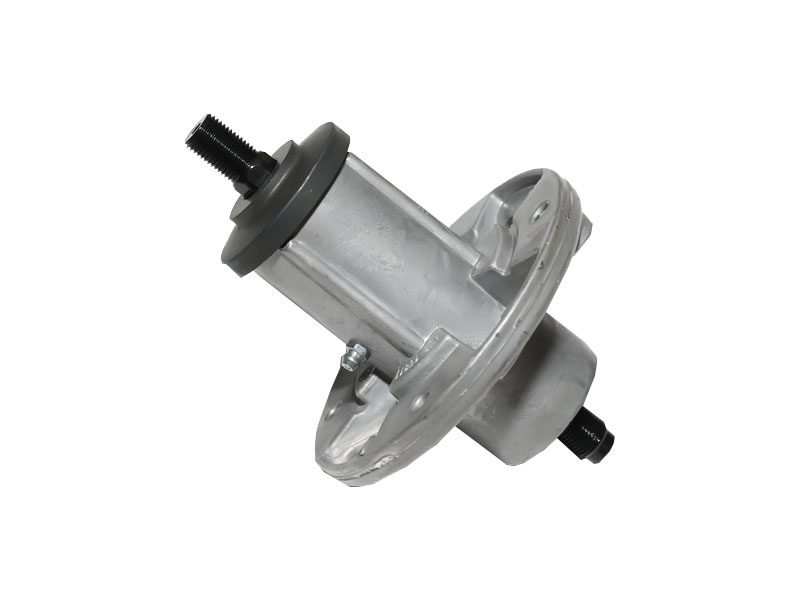
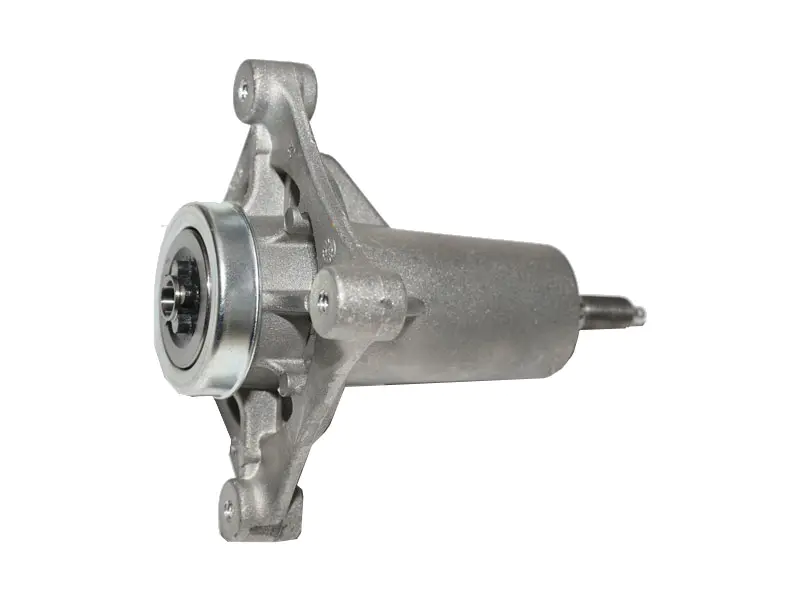
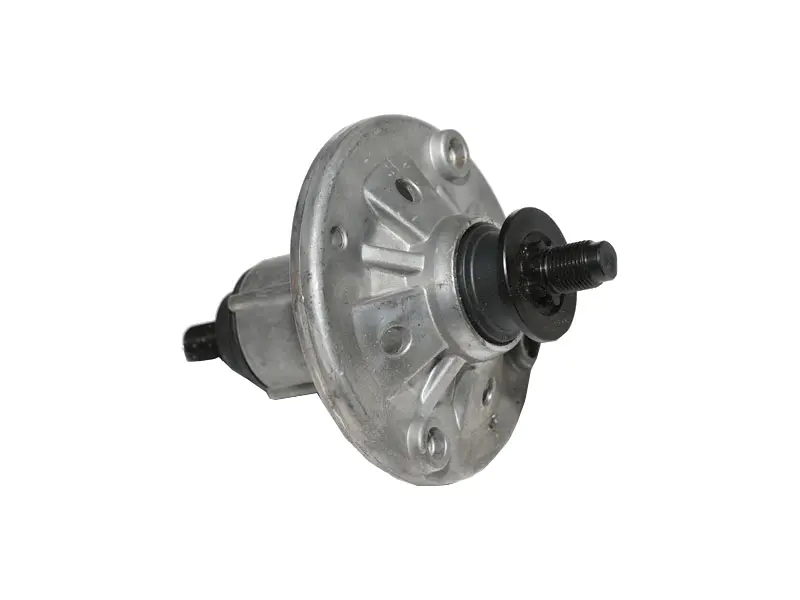
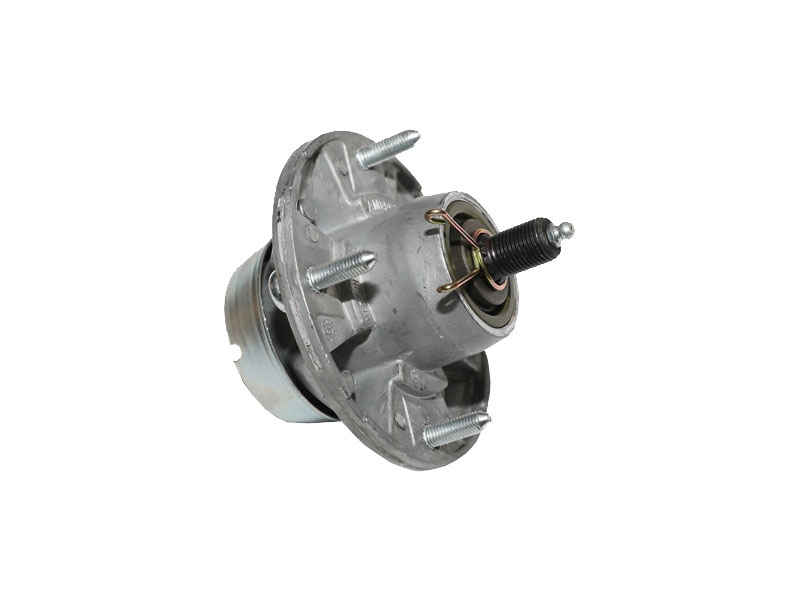
The lawn mower spindle assembly serves as the mechanical transmission unit converting engine power into blade rotation, maintaining cutting speeds of 2,800-3,200 RPM for optimal grass severance. A properly maintained spindle assembly operates reliably for 500-800 hours in residential applications and 1,500+ hours in commercial settings, while neglected units fail within 100-200 hours due to bearing contamination and lubrication breakdown. The assembly must withstand impact loads from stump strikes and debris ingestion reaching 5-10 times normal operating torque, making robust housing design and bearing specification critical for longevity.
Riding lawn mower spindles differ from walk-behind units through integrated pulley mounting configurations and extended shaft lengths accommodating deck heights of 4-6 inches. Modern spindle assemblies incorporate sealed bearing systems eliminating grease fittings, with lubrication life matching or exceeding blade replacement intervals. The evolution from greaseable to sealed units reduced maintenance requirements by 60% while improving contamination resistance in dusty mowing environments.
Component Breakdown and Material Specifications
Understanding the parts of a spindle enables accurate diagnosis of failures and informed replacement decisions rather than complete assembly replacement.
Spindle Shaft and Blade Interface
The lawn mower blade spindle shaft typically utilizes 1045 medium carbon steel or 4140 alloy steel with yield strengths of 530-750 MPa to resist bending from blade imbalance and impact. Shaft diameters range from 0.75 inches on residential decks to 1.25 inches on commercial zero-turn mowers, with critical surface finishes of Ra 0.8 micrometers on bearing journals preventing premature seal wear. The blade mounting interface employs either a threaded stud (7/16-20 or 1/2-20 UNF) or a through-bolt configuration, with torque specifications of 40-60 ft-lbs preventing loosening under vibration while avoiding thread stripping.
Shaft straightness tolerances of 0.05 millimeters over the bearing span prevent eccentric rotation causing deck vibration and bearing overload. Heat treatment to 28-32 HRC provides toughness resisting brittle fracture during impacts while maintaining sufficient hardness for wear resistance at blade mounting surfaces.
Bearing Systems and Load Capacity
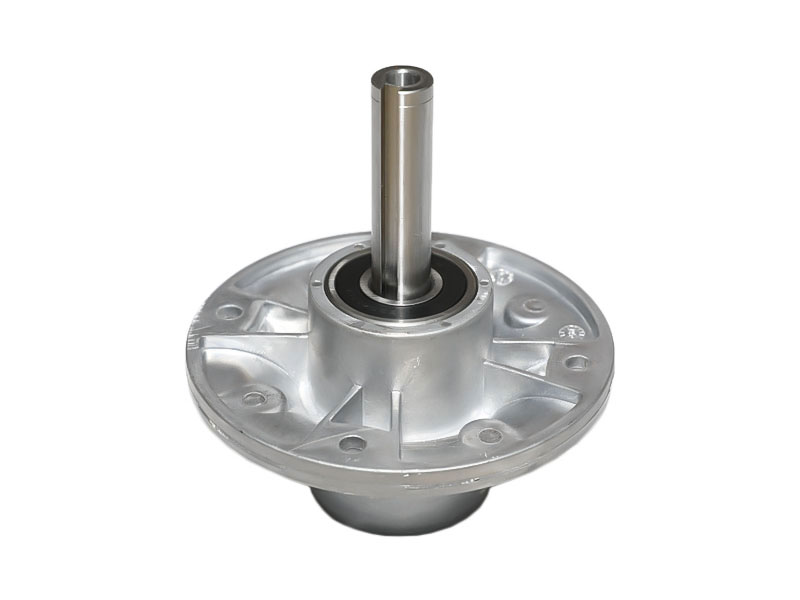
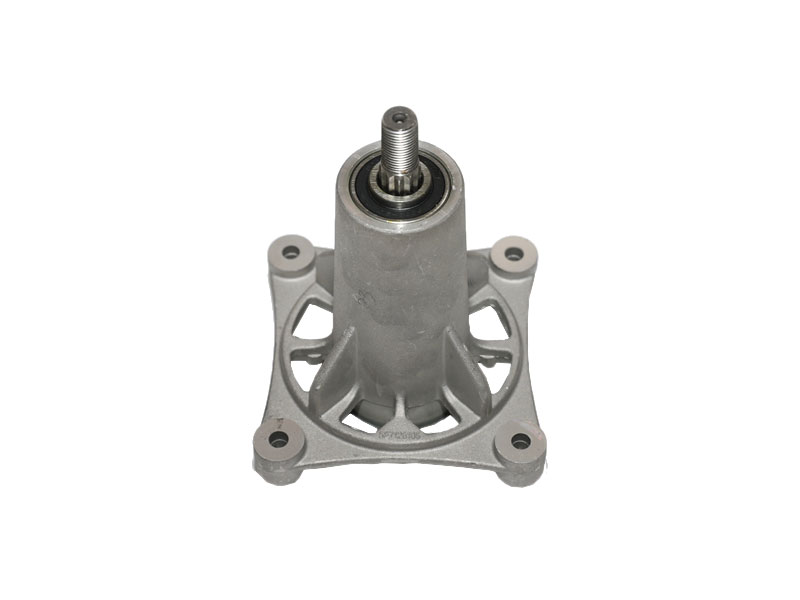
Modern lawn mower deck spindles utilize double-row angular contact ball bearings or tapered roller bearings configured in back-to-back arrangements. Bearing bore sizes range from 17 millimeters (6203 series) to 25 millimeters (6205 series) with dynamic load ratings of 9,600-14,000 Newtons accommodating the combined radial blade weight and thrust from grass cutting resistance. Sealed bearings with nitrile rubber (NBR) lip seals and steel shields achieve IP65 protection levels, retaining grease and excluding contaminants.
Bearing preload during assembly typically ranges from 10-30 Newtons eliminating internal clearance without generating excessive heat from over-compression. Some commercial-grade spindles incorporate spherical roller bearings accommodating shaft deflection from heavy blade sets exceeding 5 pounds per blade.
Housing and Pulley Mounting Structure
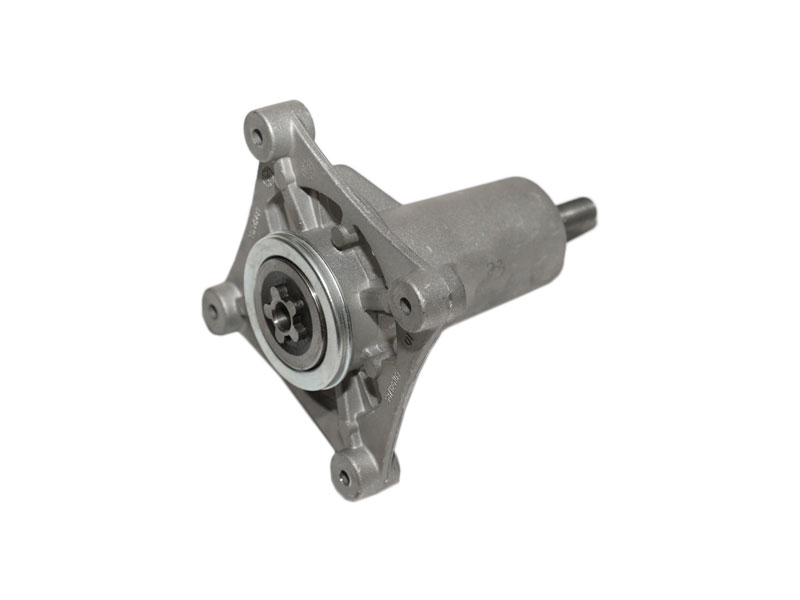
The spindle housing, typically die-cast aluminum (A380 alloy) or stamped steel, positions the bearings and provides deck mounting interfaces. Aluminum housings offer 40% weight reduction compared to steel equivalents, reducing unsprung mass on floating decks. Wall thicknesses of 4-6 millimeters provide rigidity resisting blade impact forces, with ribbed external surfaces increasing surface area for heat dissipation.
Pulley mounting bosses accommodate V-belt or synchronous belt drives, with bore tolerances of H7 (plus 0.021/zero millimeters) ensuring concentric pulley rotation. Set screws or keyways (3-6 millimeters square) transmit torque from the pulley to the shaft without slippage under peak loads.
| Mower Type | Shaft Diameter | Bearing Size | Housing Material | Expected Life |
|---|---|---|---|---|
| Residential riding mower | 0.75-0.875 inch | 6203-6204 | Die-cast aluminum | 300-500 hours |
| Estate/entry commercial | 0.875-1.0 inch | 6204-6205 | Cast aluminum or steel | 500-800 hours |
| Commercial zero-turn | 1.0-1.25 inch | 6205-6305 | Ductile iron or steel | 1,000-1,500 hours |
| Wide-area rotary mower | 1.25-1.5 inch | 6305-6306 | Steel weldment | 1,500+ hours |
Failure Modes and Diagnostic Indicators
Spindle for riding lawn mower applications exhibits predictable failure patterns enabling preventive replacement before catastrophic blade separation.
Bearing Deterioration Progression
Bearing failure initiates with grease degradation from water ingress or thermal cycling, progressing through increased running clearance and vibration. Radial play exceeding 0.15 millimeters indicates advanced wear requiring immediate replacement. Audible indicators include grinding noises distinct from normal blade wind noise, particularly noticeable at idle speeds when blade aerodynamic noise diminishes.
Temperature monitoring identifies failing bearings through housing surface temperatures 20-30 degrees Fahrenheit above ambient or adjacent spindle temperatures. Infrared thermography during operation reveals bearing hot spots before functional degradation becomes apparent.
Shaft and Housing Damage Patterns
Shaft bending from stump impacts creates blade wobble visible as uneven grass cut patterns and accelerated deck shell wear. Bent shafts require replacement rather than straightening attempts, as work-hardened regions become brittle failure points. Housing cracks typically initiate at mounting bolt holes or pulley boss fillets, propagating under cyclic loading until complete structural separation occurs.
Maintenance Protocols and Service Procedures
Implementing systematic maintenance extends spindle life and prevents secondary damage to deck components and blades.
Lubrication Practices for Serviceable Units
Greaseable spindles require replenishment every 25-50 operating hours using lithium complex NLGI 2 grease with molybdenum disulfide additives. Grease volume of 0.5-1.0 ounces per fitting purges contaminated lubricant without over-pressurizing seals. Over-greasing forces seal displacement and contaminant ingress, paradoxically accelerating failure.
Blade Balance and Installation Torque
Blade imbalance exceeding 10 gram-inches generates cyclic bearing loads reducing life by 50% or more. Magnetic blade balancers identify heavy ends requiring material removal. Installation torque adherence prevents both loosening (causing blade departure) and thread damage (requiring shaft replacement). Torque wrenches calibrated annually ensure specification compliance.
Seasonal Storage Preparation
End-of-season maintenance includes blade removal, housing cleaning to remove grass accumulation, and corrosion protection application. Stored mowers benefit from spindle rotation by hand monthly during storage to redistribute bearing lubricant and prevent brinelling from static loads.
Replacement Strategies and Upgrade Options
Spindle replacement decisions balance OEM specification adherence against aftermarket upgrade opportunities improving durability.
OEM vs. Aftermarket Component Selection
OEM spindles guarantee dimensional compatibility and warranty compliance but command 40-60% price premiums over equivalent-quality aftermarket alternatives. Premium aftermarket spindles from specialized manufacturers often incorporate upgraded bearing specifications (sealed spherical units vs. standard ball bearings) and thicker shaft diameters within standard housing envelopes.
Greaseable to Sealed Conversion
Retrofit kits enable conversion from maintenance-intensive greaseable spindles to sealed units, particularly beneficial for commercial operators with multiple machines. Conversion requires housing modifications or replacement to accommodate sealed bearing outer dimensions, with payback periods of 12-18 months through reduced labor and extended service intervals.
The riding lawn mower spindle represents a wear component whose service life responds directly to maintenance quality and operational practices. Understanding assembly construction enables targeted interventions preserving the significant investment in multi-spindle commercial decks while ensuring consistent cut quality across extended operating seasons.